How to Make Daylight Scary in Your Horror Movie
Daylight is the cheapest light you'll get. Here's how to make it scary.
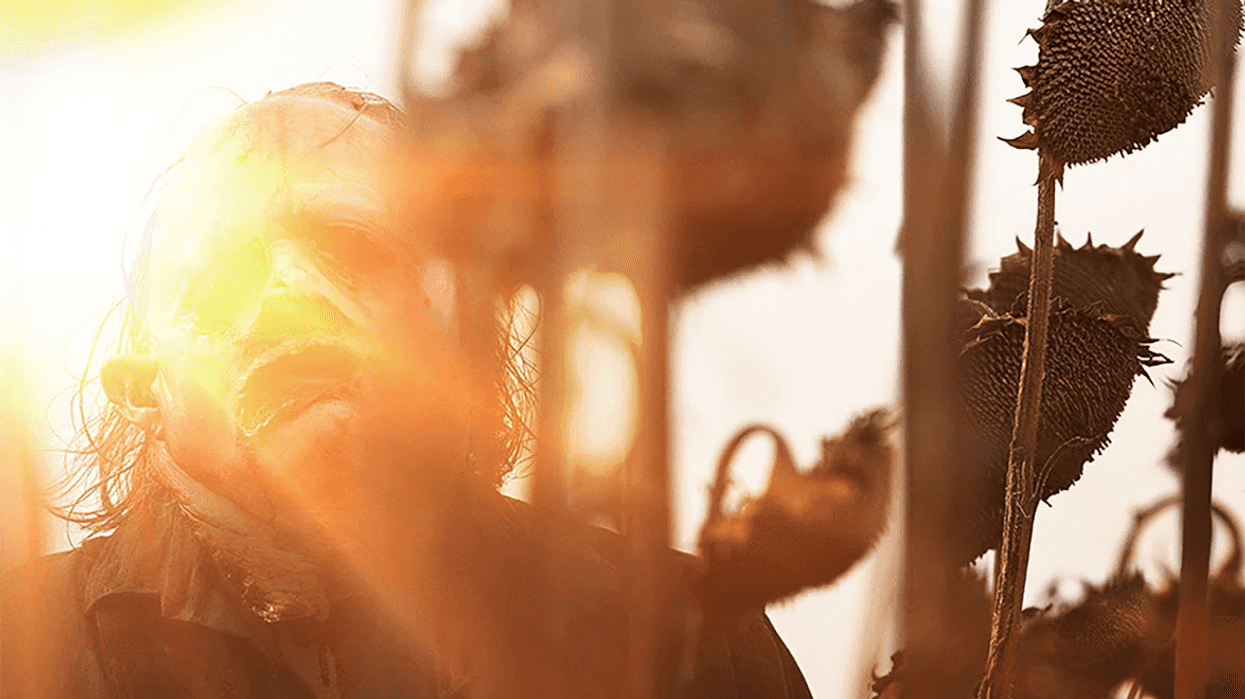
'Texas Chainsaw Massacre' (2022)
I saw a TikTok video the other day from the perspective of a school janitor. Everything seems okay, except there was a somewhat unsettling noise in the background. The person filming turns around, trying to see where the noise is coming from, but in the process reveals that it's bright and sunny outside.
Many of the comments pointed this out. "And the sun's still out? Nope!" one person wrote.
It's scary, even though it's daytime. Horror usually defaults to night because darkness hides things. Daylight takes that hiding place away—and you might think that feels safer and less scary. But sometimes it does the opposite by removing hiding places and creating dissonance between the content and the environment.
Daylight is also the cheapest light you'll ever get. Great news for indie filmmakers! But how can you shoot in the sunshine and still scare your audience?
Three films show how—a 1974 Texas indie, an A24 folk horror, and a studio sequel shot on iPhones. Today we'll show you how to use their approaches (and use the sun practically).
- YouTube www.youtube.com
Plan Around the Sun
Obviously, the sun isn't going to follow your schedule. Pawel Pogorzelski, cinematographer of Midsommar, learned the challenges of shooting daytime horror.
He told MovieMaker Magazine, "The sun is brutal: It is hot during the summer when spending the entire day outside, and you never realize how fast it moves until you’re losing the perfect light while waiting for a prop, an actor, or a piece of gear. That’s when you learn to let go and make the best of what you have."
He told Matt Mulcahey at Filmmaker Magazine that his first instinct was to cover the actors with overhead diffusion, but the field was far too big for that.
"There was a lot of testing to try and figure out what we could do to control the sunlight and the best time of day to shoot. We did a lot of sun scouting where we’d be in the field with a stand-in and take a photo every 15 minutes to see how the sun reacted. It was just a lot of trial and error and heavy prep."
Test, test, test. The indie version is your phone, a friend standing in, and a free afternoon on location before the shoot.
The sun helped another film with no lights at all. Daniel Pearl, who shot Texas Chain Saw, told American Cinematographer about shooting on ISO 25 16mm reversal stock, which was slow and fine-grained. For the day scenes, the harsh Texas sun easily covered the light lost to the 85 filter he needed.
- YouTube www.youtube.com
Keep Light Minimal (or Bounce It)
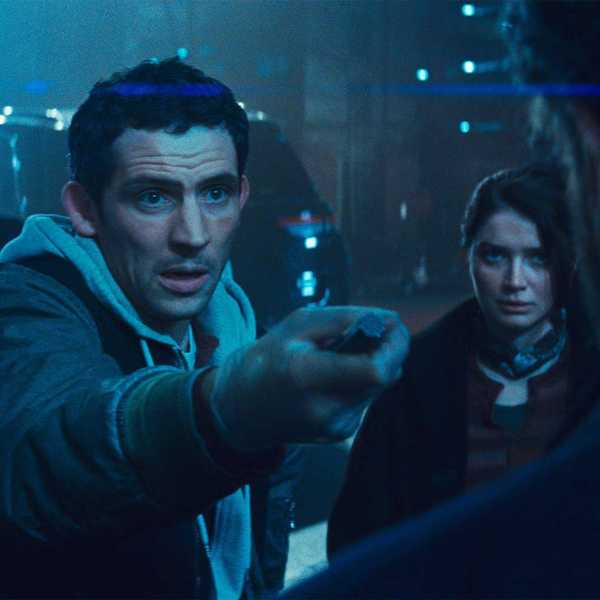
28 Years Later is a $75 million studio film, but they shot it with consumer tools. Anthony Dod Mantle told Filmmaker Magazine that the crew deliberately kept the lights small and few. His gaffer and best boy, brothers who usually work on huge studio stages, were just as comfortable standing beside him with one or two small LEDs controlled from an iPad.
"We really did try and keep the size and lights down," he said.
Pogorzelski told Filmmaker Magazine that he only brought out movie lights for tighter shots when the sun dropped behind the hills late in the day. Otherwise, he controlled contrast by moving three large frames around the set, two with muslin and one with Ultra Bounce, to push sunlight back onto the actors.
In Midsommar, the villagers' white, muslin-like costumes also worked as mobile reflectors, so in over-the-shoulder shots he could place the off-camera actor to bounce fill onto the face on camera.
The indie version is to talk to your costume designer about fill light. White shirts and sheets are cheaper than big frames.
Pearl had even less. Shooting the Texas Chain Saw van sequence with no lights, he exposed for the interior, and the windows blew out so badly that in some shots you can't tell the van is moving.
“I didn’t have big lights," Pearl said. "HMIs didn’t exist. We certainly didn’t have a crew that could use arcs. I didn’t have a big lighting crew or a big lighting package. So, I had to work in a minimalist manner, which gave a bit of a documentary feeling."
- YouTube www.youtube.com
Make the Frame Pretty and the Story Ugly
Daylight horror works by giving the audience a beautiful frame with dread underneath.
That rough, documentary feel is part of what makes Texas Chain Saw so scary. It's dirty and present, and the cannibalism is gross, but at the same time the frames often look beautiful, creating that dissonance.
Pearl got creative with composition, too. For the famous swing shot, he lay on a low platform dolly holding the camera, glided under the swing as Pam stood, and followed her toward the house on 60 feet of track, so the house grew in the frame as she approached. In broad daylight, the dread is about that big creepy house looming over her.
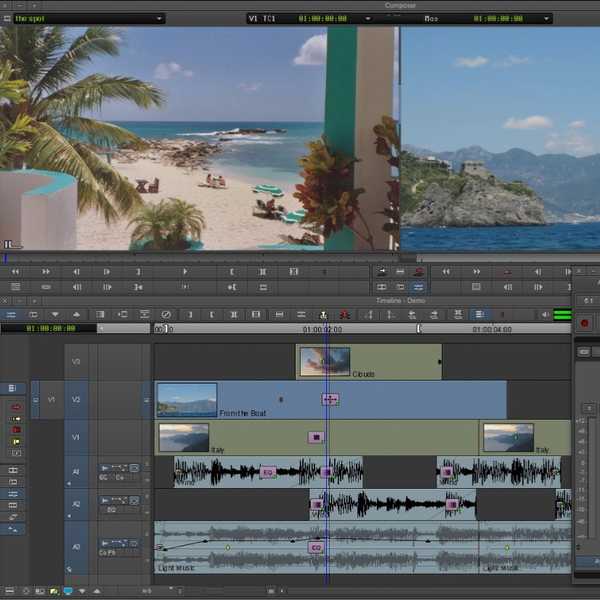
You can get a lot from your post process, too. Pogorzelski told Filmmaker that Ari Aster usually knows the music before they shoot, so they decide in prep which scenes the score will carry.
That freed him to leave some sunny scenes, like the one where the Americans eat small pies, visually untouched while the music gives the scene the menace.
Dod Mantle chased the same contrast on 28 Years Later. He told Filmmaker Magazine that he found the clash between blood and guts and nature fascinating.
"I felt a juxtaposition of blood and gore and fear with beauty was very interesting, so I was inclined to lean slightly more towards something softer. I wanted this beautiful dying nature 28 years after [the first film], just overgrown trees and bushes and greens, greens and more greens. My least favorite color in my life, and Danny knows that."
Overall, if you remember to keep things tense for your characters through the constant threat of danger or by using an unsettling setting, relying on composition to tell the story, contrasting beauty and horror, and making things feel off in the edit or via sounds and music, your project will still be scary even if it's broad daylight.