Episode 106 of Furious was one of my favorites of the season. It had everything: a face-off inside a women’s shelter, a high-stakes elevator ride that functions like an hourglass, and an underlying reservoir of rage.
All this stuff coalesced beautifully to advance the story and get the audience to lean in as shakeups changed the rest of the season.
To get there, they needed an editor who could treat dialogue scenes like high-stakes chess matches and add tension in every beat.
Editor Katie Ennis brought a visceral perspective to the showrunner Liz Merriwether-helmed series, and her work pops off the screen.
We sat down with Ennis to discuss how she relies on her gut reactions to dailies, cuts tension without losing tenderness, and humanizes complex characters in the cutting room.
Let's dive in.
Furious | Official Trailer | Disney+ UKwww.youtube.com
NFS: Hi Katie! Could you tell us how you first got involved with Furious, and what drew you to the project?
Katie Ennis: I first heard about the project from an email list my agent sent about upcoming shows looking for editors. When I saw the showrunner was Liz Merriwether, I got very excited because I had always been interested in working with her. New Girl is one of my all-time favorites; the comedy was so quirky and had such a unique voice. Then The Dropout and Dying for Sex were also such well-written, compelling shows. Liz really has a knack for writing complex, odd characters, in whatever genre, and I was thrilled to have the opportunity to put myself forward for Furious.
NFS: Your work on episode 1.06 "They Make a Noise Like Feathers" brings the show's cat-and-mouse framework to a head. Are there any other films or TV shows that served as a reference point for this episode?
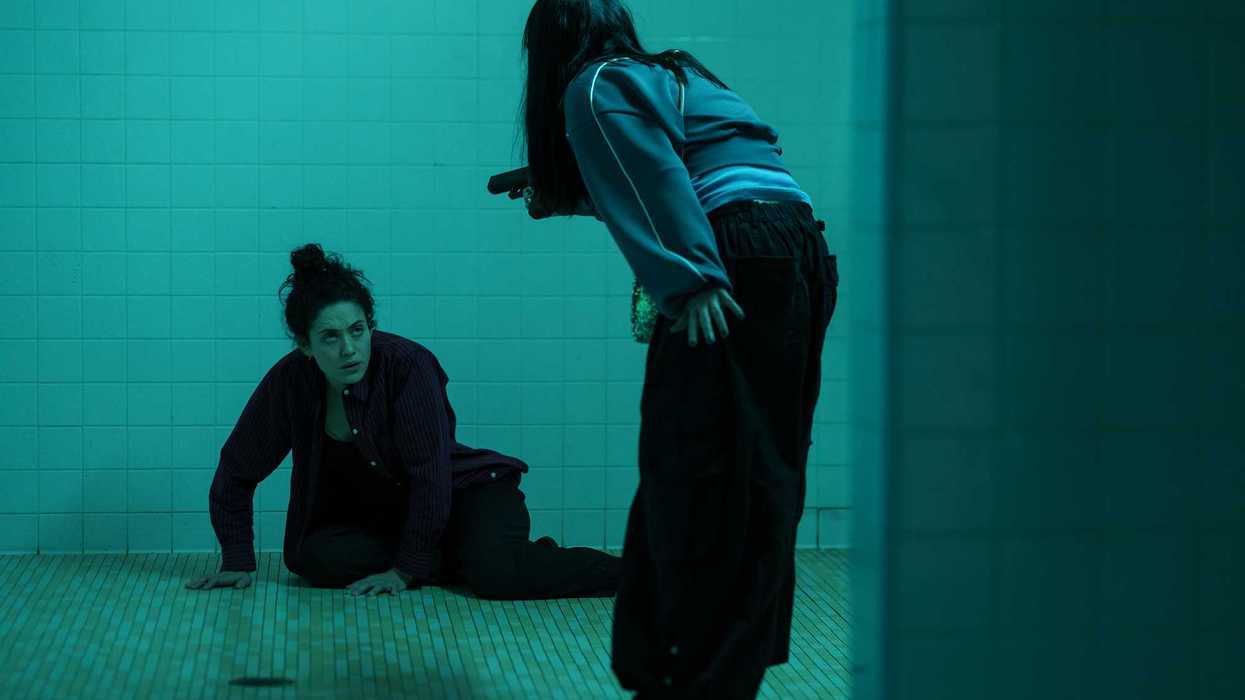
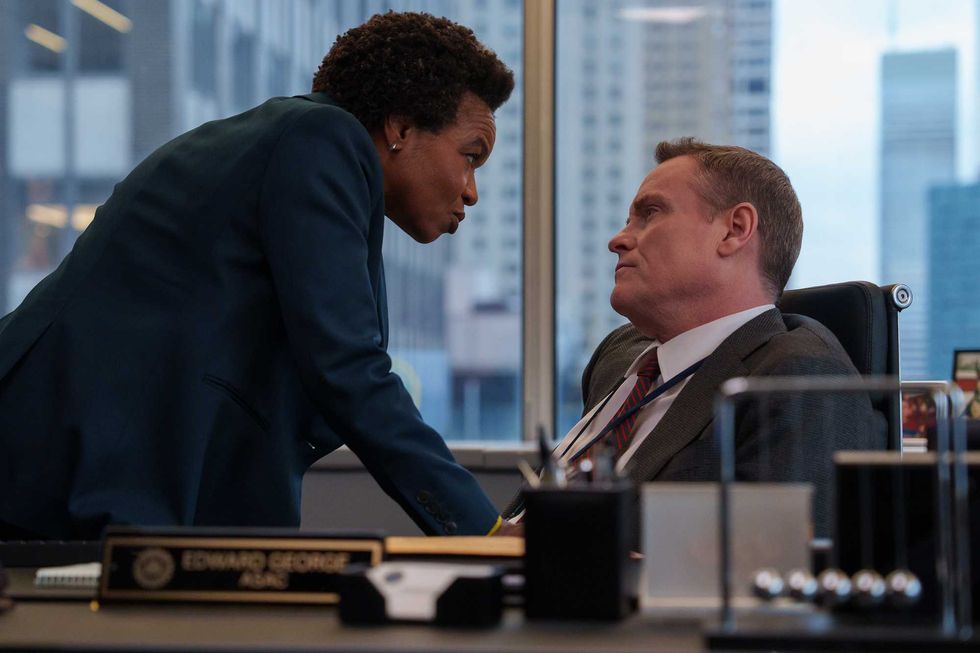
KE: It’s not really a part of my process to (consciously) reference other shows or films when I cut a scene. I prefer to watch the dailies and first find the performances that speak the most powerfully to me, then find the most emotionally compelling visuals to help amplify drama, and then lay the puzzle pieces down and figure out the pattern and pace. In the case of this scene, pacing was incredibly important; I believe it was an eight or nine-page scene. It’s the main characters' first big face-off, where they reveal who they are and what they want, or if they can trust each other, and I didn’t want to rush them through this conversation. So you have the words coming out of their mouths, but you also have their body language, the contemplating stares, the threatening lunges; they’re playing chess. It’s a slow, calculating game…you have to let them take their time as they make each move. So the main focus is the emotion always: am I feeling what the characters are feeling, am I connecting to the emotional core of the scene?
Looking back at the episode now, perhaps the show shares some DNA with Silence of the Lambs, but it wasn’t something we ever discussed or aimed for in the cutting room.
 'Furious'Credit: FX Networks
NFS: The episode's B-plot is also cleverly structured around Nora's long elevator ride. How did you arrive at this approach, and what impact do you think it had on the episode's pacing?
KE: Nora’s stall tactics were all scripted beats, masterfully directed by Destiny Ekaragha and wonderfully performed by Quincy Tyler Bernstine, who really became such a scene-stealing character for me. The way she balances such deep, seething rage with genuine humor is a joy to watch. The long elevator ride, her game of hide-and-seek in the office, her marathon up the stairs, those script beats were all used like an hourglass, the sand slipping away, Alice’s time with Catherine running out. But the most important thing to me about Nora’s journey in this episode was to let her stall tactics be a little fun, to lean into the zany unpredictability and give the audience some tension relief here and there, but also making sure her journey emotionally built toward Nora’s brilliant and powerful confrontation with Ed. There were two gigantic face-off scenes in this episode, and the show's title, “They Make a Noise Like Feathers,” references Nora and Ed’s conversation, which is essentially a devastating monologue, where we see the mask come down; we see her smirk turn to a snarl. And I really wanted that moment to land like a punch in the face.
 'Furious'Credit: FX Networks
NFS: The episode is incredibly tense, and yet it is set in the very vulnerable setting of a women's shelter. How did you editorially balance tension with tenderness?
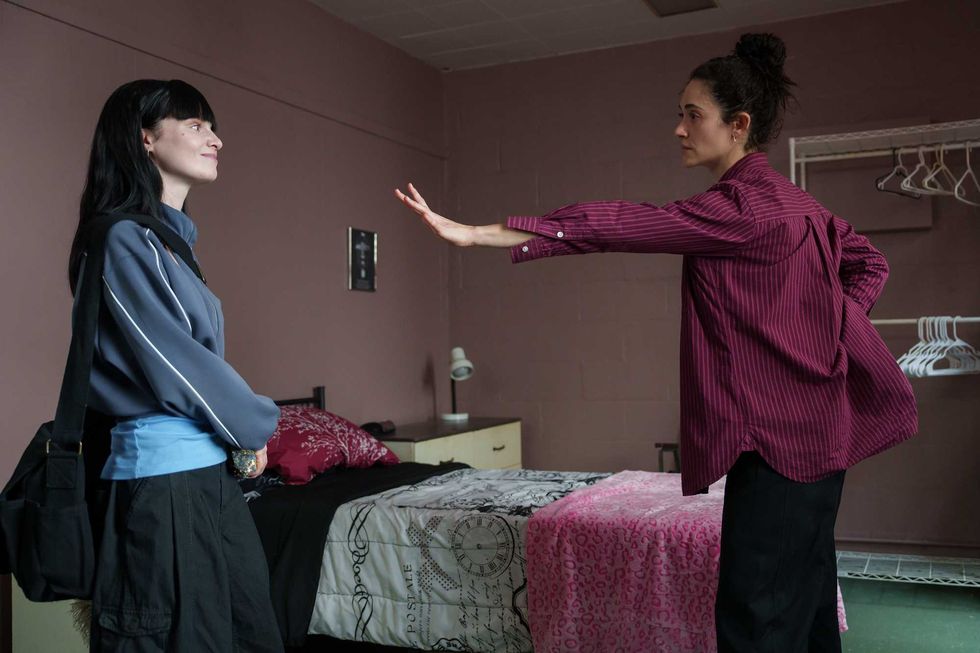
KE: Again, I’ll first tip my hat to the brilliant writing team, director Destiny Ekaragha, and the stellar cast, because it was all there on the page and then brought to life with incredible talent and care. The location of the women’s shelter was an important one for Catherine especially, because it helps ground her character. She’s a serial killer, but it was critically important to not make her a two-dimensional villain; we wanted the audience to understand her motivation and to empathize with her. So it’s appropriate that we're in the shelter here, in her safe space, surrounded by women who have also been abused, and it’s only here in this space where she can allow herself to be truly vulnerable.
The location was psychologically important for Alice’s character as well, who has been traumatized by domestic violence. She is a person who tries to swallow the emotion, to bury herself in work, but here the reminders of what happened are all around her. Her past is inescapable. Here, she is also made vulnerable, and Catherine is able to use this weakness to her advantage.
The important thing with balancing tenderness and tension is to never let too much tension release; you allow the characters to take a breath, to share a moment, and then things re-escalate on the turn of a dime. I like to think of it like taking the audience on a roller coaster ride. You’re up, you’re down, you twist and turn, but you keep moving propulsively forward.
NFS: Emmy Rossum and Lola Petticrew are both so incredible in this show. How do you go about evaluating performance from the editing bay?
KE: Emmy and Lola are phenomenal talents, so I was spoiled for choice on this one. Since it was the first season of the show, both provided a great range of performance options, and we were able to try a variety of ideas and really shape the tone in post.
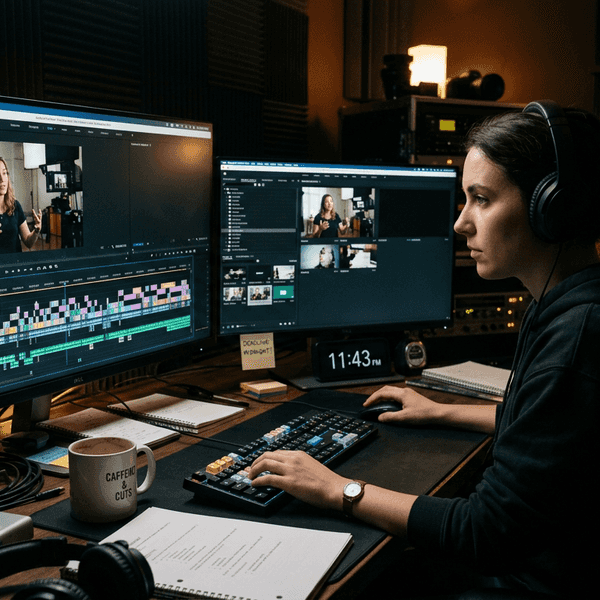
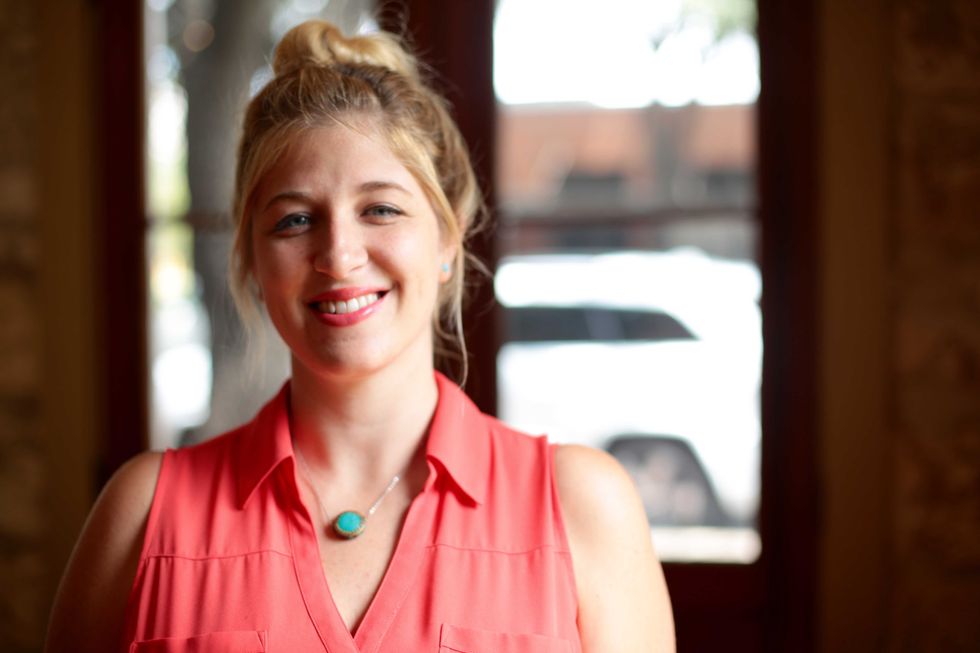
One of the most important steps in my process is watching dailies for the first time; I note which takes or line readings affect me the strongest emotionally, and I try to build the scene around those performances. That initial reaction matters so much because, as an editor, I watch things dozens, even hundreds, of times and eventually become somewhat emotionally numb to a scene, so it’s paramount to rely on my first gut reaction to a performance.
 Katie Ennis Credit: Impact24
NFS: Having also cut episode 1.03 of the series, how did you observe the show's evolving tone over time?
KE: Finding the show’s tone was the biggest challenge on season one. Liz is a master at crafting these genre-blending, nuanced stories, so we experimented quite a lot in post on how to best balance the humor and horror. It’s dark, serious subject matter; Catherine is a woman who was trafficked as a child and has experienced truly violent, dark, and horrific things. Alice and Nora as well. So there’s a deep well of rage and a lust for vengeance, but then these women are hindered in every direction by a corrupt system and inept men. I love how each character’s madness develops over time, especially Nora. Because sometimes all you can do is laugh when the world burns around you.
In episode 1.03 in particular, there was an important tone shift for Catherine. Director Karena Evans and I discussed this tone shift in depth while we were cutting. In the first two episodes, you see Catherine in kill mode, and then in episode three you get to meet the other side of her. You get to watch her scream-sing Rihanna in her bedroom. You get to see her exhibit kindness and see her small, weird, macabre, and childish collection of belongings, and then you get to see her rush to the rescue of someone she cares about. No person is one thing, and TV often likes to simplify characters into archetypes, but Catherine is not merely a monster; she’s a whole person, and one of the main goals in the episode was to show her complex humanity.
NFS: Is there anything else you would like to add about Furious or any other upcoming projects you might have?
KE: This show was a labor of love, and I’m incredibly honored I got to be a part of this stellar creative team. It was evident that everyone cared deeply about the story we were telling, which isn’t always the case in television. It was also an especially profound experience working on a show about female rage and frustration with the system in a post-Epstein environment, led by a powerhouse team of female writers, producers, directors, and actors. We took some big swings together and it’s been amazing to see the show embraced with such love and critical acclaim. Thanks for watching!