Top 5 TV Detective Tropes (and How to Subvert Them)
Want to stand out? Flip these tropes on their heads and surprise the audience.

'True Detective'
I'm pretty easy to hook on TV. I like murder, mystery, and a detective at their wits' end trying to pull it all together to find justice.
Now, dozens, if not hundreds, of TV shows are like this, and that might be a problem. The thing is, I am also pretty fickle, so if it feels like I've seen it before or the tropes feel tired...I am done with that too.
Aside from being a TV watcher, I'm also a writer, so I am constantly wrestling with my own taste and how to be original because original scripts stand out and get stars.
That's the challenge of everyone trying to create: how can I take something familiar enough that I can sell it but make it unique enough that it is my own?
Today, I want to go over the five most popular tropes of TV detectives and talk about how you can subvert them to make them your own.
Let's dive in.
- YouTubewww.youtube.com
1. The Tormented Genius (The "Flawed Hero")
I would venture a guess that, like 99% of detective TV shows, there's a person at the center who is deeply flawed or has some gimmick that makes them a tormented genius.
It's sort of like House, if he were a cop. They have depression; maybe they're a time traveler; there was a show where the cop was Satan himself; there's a lot of these ideas floating around.
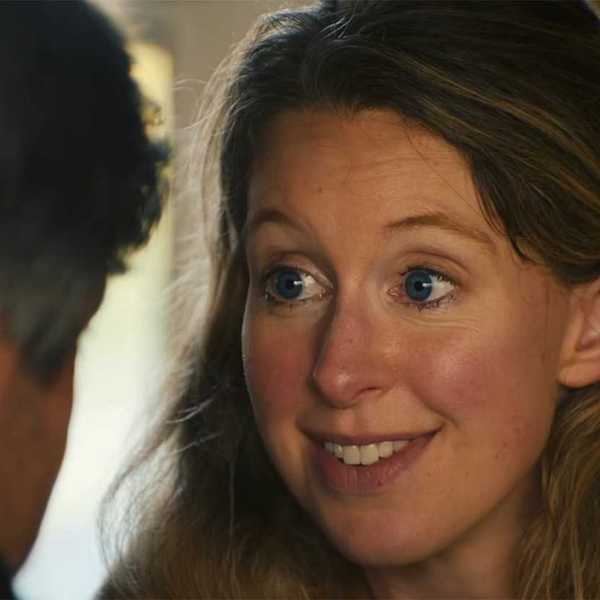
- How to Subvert It: Give the detective a healthy personal life. Maybe they love their wife and kids. We see this in Seven, where Brad Pitt is a good guy who gets caught up in a very evil world. You don't need a genius; you just need someone tenacious who's willing to follow the clues, like Fargo’s Molly Solverson. Find your voice in that.
2. The String-and-Pin Conspiracy Board
Everyone loves the scene where they stand back and look at all the evidence at once. It's in all these shows from Homeland to The Wire. This is a visual medium, and we want to see the connections and get a refresher on all the hard work that has gone into catching criminals.
- How to Subvert It: What if the board is wrong? What if it's all leading the wrong way? Deconstruct it and say, what if you had the board upside down? Again, tweak based on your metaphors and tone.
3. The Coping Mechanism/Trademarks
You got a hard-drinking detective who's mad at the world? Do they secretly pop pills? What about Columbo’s glass eye or Dale Cooper’s obsession with cherry pie, Kojak’s lollipops, and Monk’s germophobia?
We love something distinctive, a prop that makes you think of a protagonist.
- How to Subvert It: Turn the quirk into a plot point. Make the signature habit a deliberate tactical deception used by the detective to lower the suspect's guard, or give the character a ghost that makes their issue something much more sinister or revealing about them rather than just a goofy trait.
4. The Odd-Couple Partnership
Look, I am a sucker for the good cop/bad cop. I mean, True Detective has to be one of the greatest TV shows on planet Earth to me. I love these pairings; it's what built the genre. Think Mulder and Scully or Benson and Stabler.
Conflict drives drama and gives characters someone to battle every episode. You get two sides of a coin and can see them wear each other down.
But we've seen it so many times...
- How to Subvert It: What happens when the partners start as exact ideological twins who slowly drift apart as they make moral compromises? What if they used to be together and now they're two cops who don't see the world the same way? Or begin to suspect one another? There are other ways to add tension in partners.
5. "Just One More Thing..."
Everyone loves an interrogation scene where you think the cop is on the ropes, and then they lean back in for one last piece of info that stops the perp in their tracks.
But again, you see it coming from a mile away.
- How to Subvert It: Have the suspect anticipate the maneuver and call out the detective before they deliver the line, or have the "one last thing" backfire. Get them against a stone wall and show it as a twist that changes the whole perspective of the show or who you thought did it in your whodunnit.
Summing It All Up
Tropes exist because they work. We rely on them to relate to the audience and get them into a natural comfort zone. But if you don't do anything to subvert those tropes, your idea will just feel... expected. And expected ideas rarely make it anywhere.
So branch out and shake things up.