George Miller Is Not Afraid of AI Films
The director is exploring ways to work in this new world.
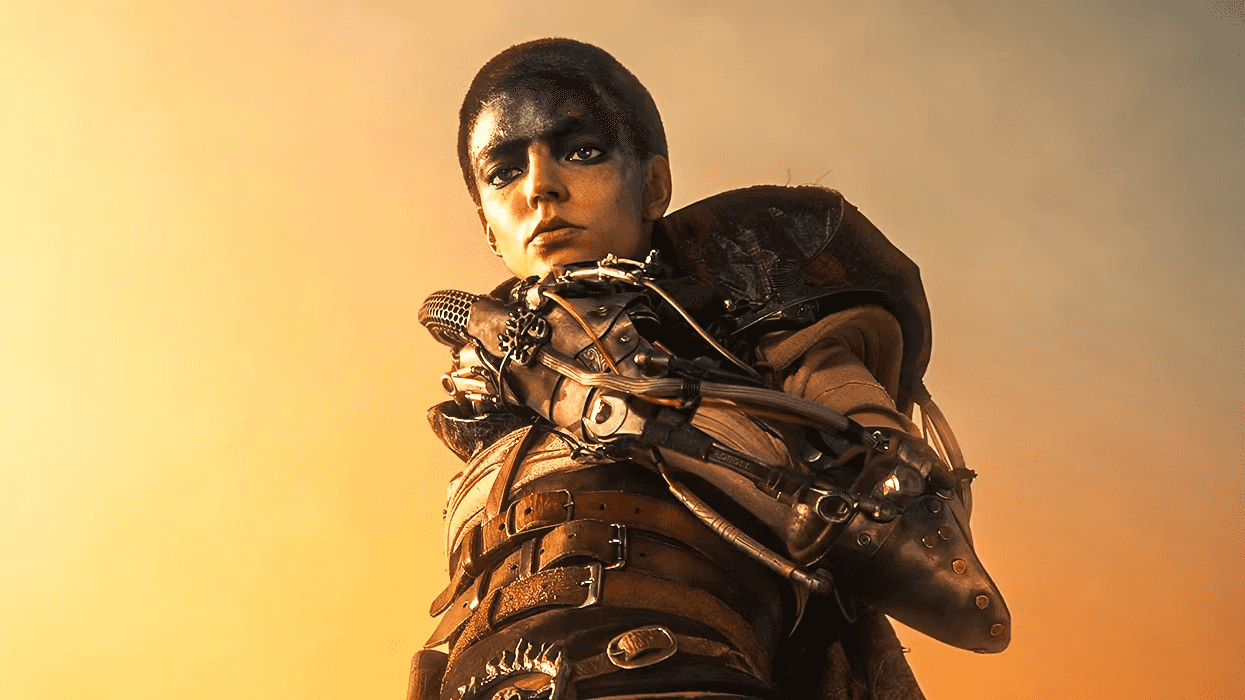
'Furiosa: A Mad Max Saga'
You really can't go long in Hollywood without talking about AI. Everyone wants to know people's perspectives on the technology, and it seems like every studio is looking for ways to both use it to save money and fight it to protect their copyrights.
This battle has extended to filmmakers, who are all coming out for or against, sometimes with strong language.
According to a report from Deadline, George Miller, the man who spent over 40 years meticulously hand-crafting the Mad Max universe filled with practical effects and realism, is not only unafraid of AI—he’s actively engaging with it.
The director just served as the head of the jury for OMNI, Australia’s first artificial intelligence film festival.
Let's dive in.
- YouTubewww.youtube.com
From Auteur to AI
A lot of times, what I'm looking for from the filmmakers I respect is kind of a solid statement on what they actually believe in terms of AI.
So, when Miller was announced as a juror for an AI festival, I just brushed it off. But this isn't just a passive endorsement.
Miller was so drawn in that he didn't just agree to judge; he reportedly contacted the AI prompt artists behind the submissions to understand their process and, in return, share his own storytelling expertise to figure out how they can improve.
When you couple that with Miller's interview with The Guardian last month, where he said that AI “echoes earlier moments in art history,” particularly the Renaissance, where oil painting “gave artists the freedom to revise and enhance their work over time.”
Miller went on to say, “That shift sparked controversy – some argued that true artists should be able to commit to the canvas without corrections, others embraced the new flexibility.” Miller continued, “A similar debate unfolded in the mid-19th century with the arrival of photography. Art has to evolve. And while photography became its own form, painting continued. Both changed, but both endured. Art changed.”
And while in The Guardian piece we learned that Miller believes AI won't be able to ever replace humans, he does think it might bring more humans to storytelling.
“It will make screen storytelling available to anyone who has a calling to it,” Miller said. “I know kids not yet in their teens using AI. They don’t have to raise money. They’re making films – or at least putting footage together. It’s way more egalitarian.”
It seems that for Miller, AI can find its place alongside traditional cinema, but only if it prioritizes emotional resonance over technical novelty and still engages with our humanity.
What's the Filmmaking Takeaway?
I go back and forth with my own views on AI. I think the only thing I'm actually gleaning from all this is that it's a tool that can only be wielded by a human who understands story and emotion.
I think if it can help with VFX, it'll be quickly embraced, but I don't think people will ever buy fully into AI characters because of the uncanny valley. Maybe we'd lean into animation if it looked as good as Pixar, but that remains to be seen.
At the end of the day, the only way to actually get ahead in Hollywood and in movie making in general is being able ot tell a story that engages with people and makes them care.
I have yet to see an AI film do that.
Summing It Up
For the rest of us, his advice is the most practical takeaway we could ask for: Stop worrying about the tool and start worrying about the story. Is it good enough to make someone want to know what happens next?