The sun is setting as you arrive at a dusty, sun-bleached town in the middle of nowhere, looking for safety, but you may not find it with the community here. With no other choice, however, this place is your only refuge, and you can only hope that you make it through until sunrise.
You’ve stepped into the territory where the Western meets horror, and a creepy frontier town is far from the only place where there are monsters lurking, waiting for prey.
Saddle up for these five movies and ride into the Namib Desert in Africa and the dive bars of the 1980s, where vampires, ghosts, and outlaws terrorize the humans who are unlucky enough to cross their paths.
High Plains Drifter (1973)
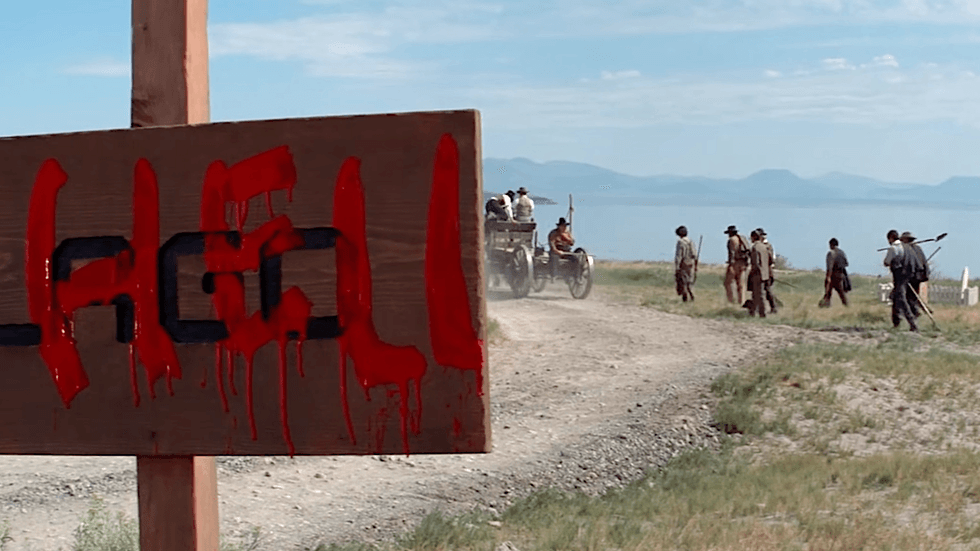 ‘High Plains Drifter’ (1973)Credit: Universal Pictures
The whispering sounds in the opening score by Dee Barton wouldn’t be out of place in The Shining, before it settles into a wistful melody that is more fitting for a Western. It plays under the distorted, menacing image of the Stranger (Clint Eastwood) riding on horseback through a heat haze, toward the isolated town of Lago, where the people are afraid of a group of outlaws that will arrive soon. They have no choice but to rely on the Stranger to protect them.
As the first Western that Eastwood directed and starred in, High Plains Drifter is a very dark story that is gorgeous to look at. The town sits by a large, picturesque lake, and the visuals get more startling when the Stranger demands that the townspeople paint every building red.
While Eastwood has played his share of anti-heroes, his role as the Stranger never turns him into a protector that can be trusted. But Lago does not deserve to be saved. The locals witnessed the murder of their last marshal, and they did nothing. Exposing these past sins, High Plains Drifter becomes a ghost story where retribution has finally come for the guilty.
Near Dark (1987)
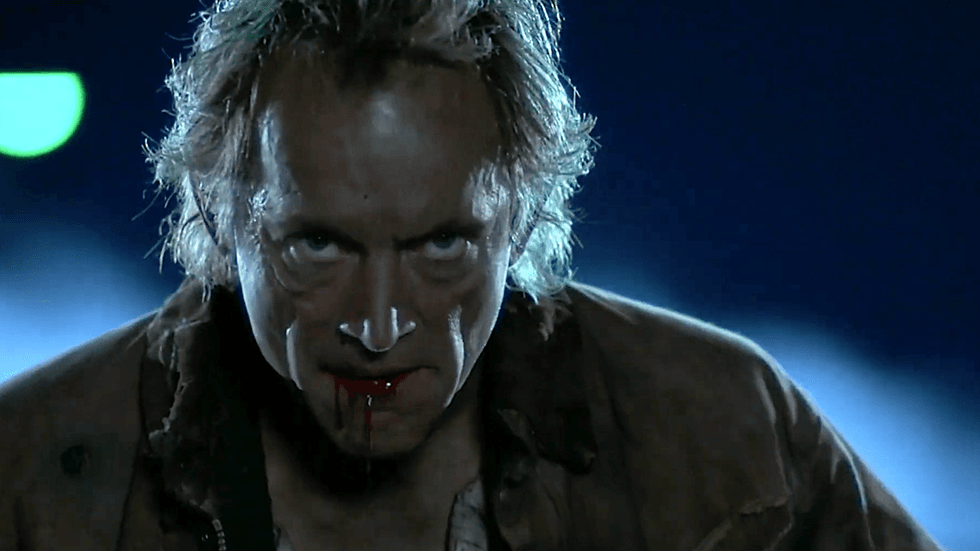 ‘Near Dark’ (1987)Credit: De Laurentiis Entertainment Group
Caleb (Adrian Pasdar) is infected by Mae (Jenny Wright) after a hookup goes wrong, and it turns him nearly immortal, with extra strength, and the affliction of needing to drink human blood to survive. The word “vampire” may never be said in the movie, but that’s what he has become. He is forced to join Mae’s nomadic family of vampires, who will kill Caleb if he doesn’t follow their ways.
With a supporting cast including several alum from Aliens, such as Lance Henriksen, Jenette Goldstein, and Bill Paxton, Near Dark is directed by Kathryn Bigelow in her solo directorial debut that is a genre blend of a neo-Western, romance, horror, and road movie. Released in the same year as The Lost Boys, Near Dark may not say the “V” word, but it offers a unique take on vampirism.
Characters risk spontaneous combustion if they get caught in sunlight. Nocturnal imagery can leave the cast as silhouettes or have them swallowed up in the darkness of a blacked-out RV. A memorable set piece then finds a dive bar taken over by Mae’s bloodthirsty clan, where Paxton’s character, Severen, with a big grin on his blood-smeared face, is a terrifying scene-stealer.
Dust Devil (1992)
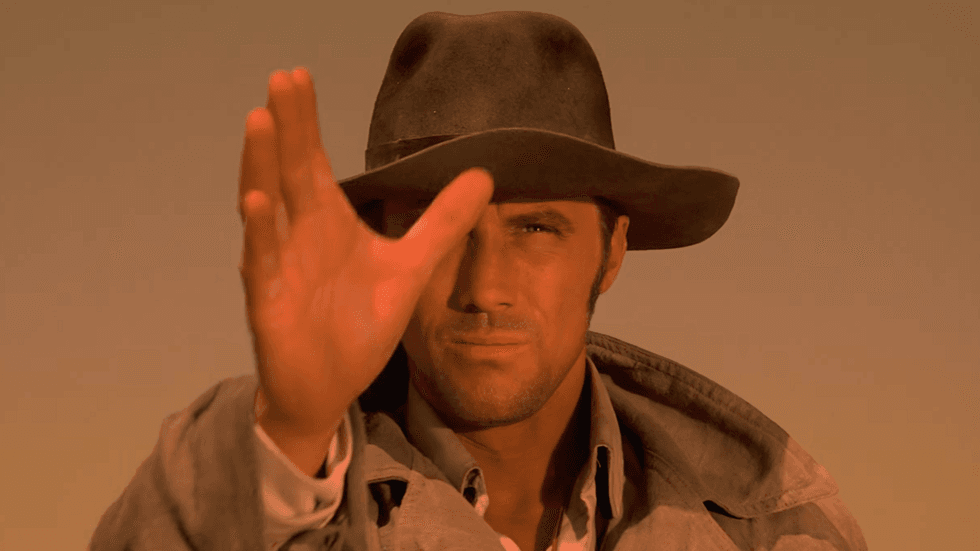
Wendy (Chelsea Field) escapes from her abusive husband and picks up a hitchhiker, but she doesn’t know that her passenger is Dust Devil (Robert John Burke), a supernatural entity trapped in human form who must commit ritualistic kills to escape his fleshy body. As he plans for Wendy to be his next victim, Sergeant Mukurob (Zakes Mokae) learns about South African folklore to use the magic that can defeat the entity.
 ‘Dust Devil’ (1992)Credit: PolyGram Video
Yellow and orange inflamed scenes of the Namib Desert turn the location into a character of itself. The long stretches of highway look like they go on forever; if there is any danger out there, you’re on your own. The finale brings you into the region’s real-life ghost town, Kolmanskop, that has been taken over by the sand.
The titular hitchhiker/entity might be dressed like an outlaw, in a trench coat and wide-brimmed hat, except he’s wandered far outside a traditional Western and well into the terrain of surreal horror. Directed by Richard Stanley, Dust Devil is like a hallucination. The otherworldly score by Simon Boswell further elevates the battle between ancient forces and humans where there will be no easy victory.
Ravenous (1999)
 ‘Ravenous’ (1999)Credit: 20th Century Fox
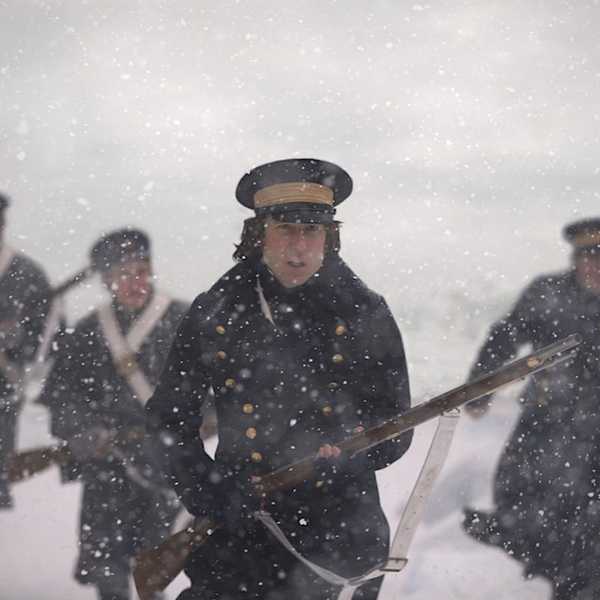
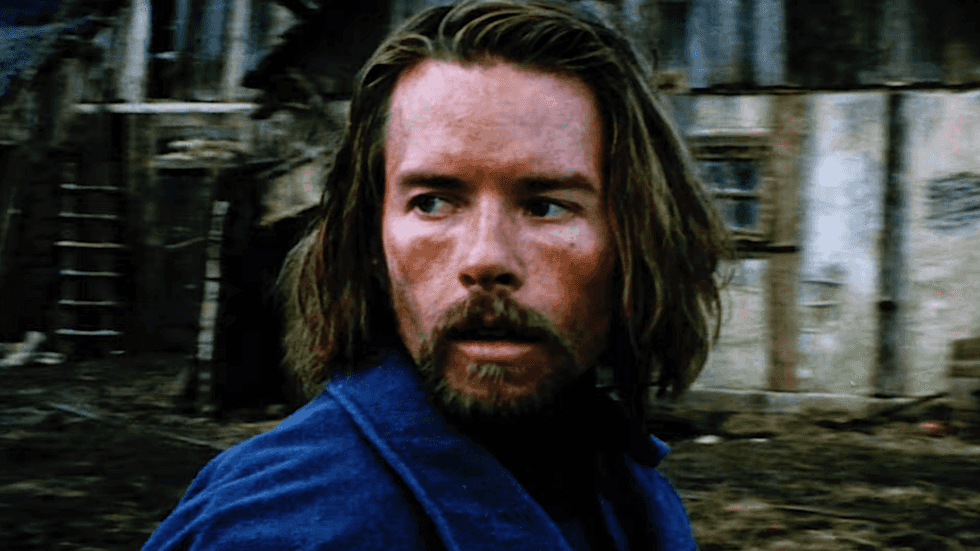
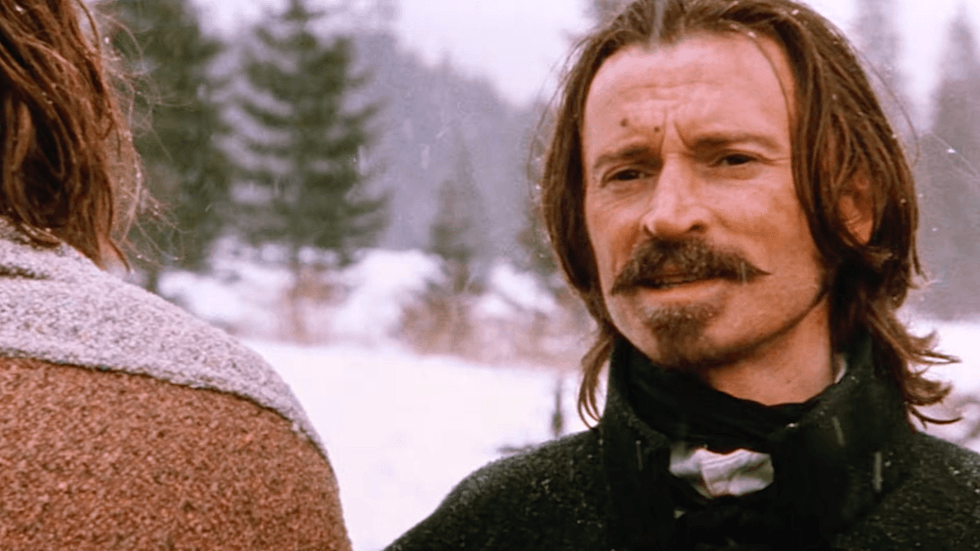
Set in the 1800s, US Army captain John Boyd (Guy Pearce) is sent to a snowy military outpost in the Sierra Nevada mountains, where the silence of the landscape ends when a mysterious man named Colqhoun (Robert Carlyle) seeks help after surviving his snowbound group of travelers who have turned to cannibalism. To say anything else would spoil a nasty-yet-darkly comic plot.
There is a score by Michael Nyman and Damon Albarn, filled with period-accurate instruments, that can be eerie or jarringly kooky, and it is part of the utter strangeness that pervades Ravenous. The wintry setting is captured in all its beauty and hostility. The supporting cast are good, but it’s the scenes between Pearce and Carlyle that really give this horror Western its bite.
Bone Tomahawk (2015)
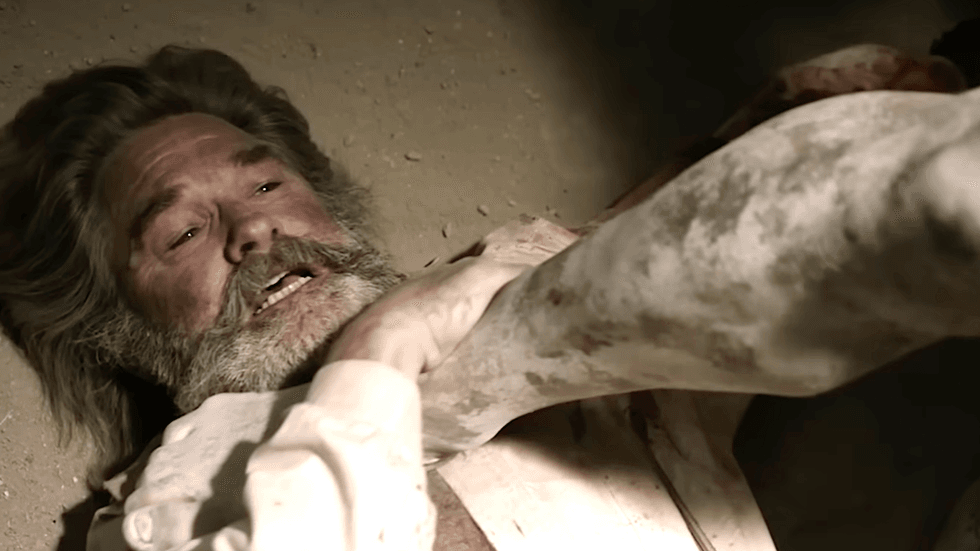
After a monstrous tribe kidnaps several people from the desert town of Bright Hope, the sheriff and three men venture into the wilderness to find them. Their journey is grueling, and what they find at the end of it, will bring carnage and pain.
 ‘Bone Tomahawk’ (2015)Credit: RLJ Entertainment
Directed and written by S. Craig Zahler, Bone Tomahawk somewhat confronts the fact that it's essentially about four white men going after an indigenous tribe by exploring the racism of the leading men and working into the dialogue how the villains are not Native Americans. It’s not perfect, but it establishes the movie’s brutality and how there aren’t polished, heroic men to root for.
This is a dread-filled story, with bursts of violence that are mostly kept off screen or in the distance early on. For most of the runtime, you’re watching Kurt Russell, Matthew Fox, Richard Jenkins, and Patrick Wilson play men who are too old to be on the journey; they are injured and too stubborn to stay behind; or their pride in being smarter than the enemy is their downfall. When the horror does get unleashed without holding back, be prepared for relentless violence.