15 Western Movie Tropes: The DNA That Defines the Genre
This guide explores the core narrative elements, visual motifs, character archetypes, and moral conflicts that shape the myth and identity of Western cinema.
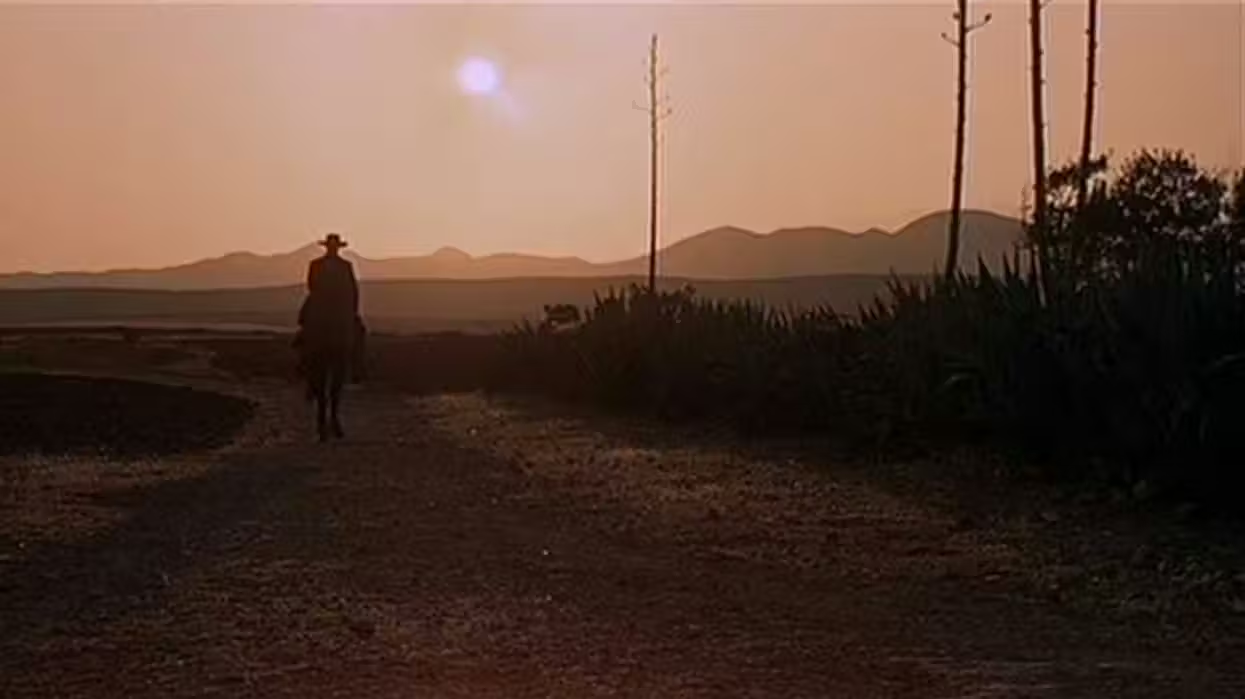
‘For a Few Dollars More’ (1965)
A movie genre emerges from the specific emotion a narrative incites in the audience. That emotion (and the filmmakers’ urge to “serve”) is what defines that movie. That emotion then dictates the visual motifs, moral conflicts, and other storytelling aspects. Pretty soon, these offshoots of that emotion become recurrent and, over time, become the staple of that genre. There! You got your movie tropes.
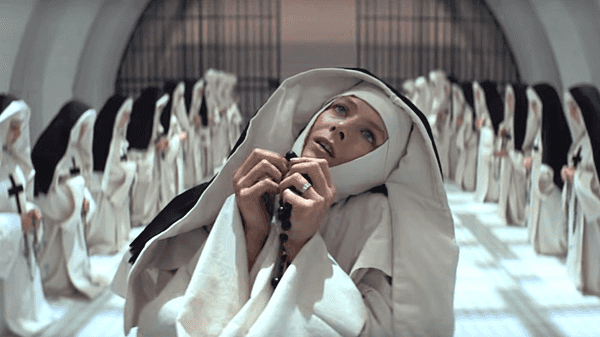
So, when you watch a rom-com, you expect meet-cutes and cathartic “airport” epiphanies. Whenever there’s a superhero, there’s a superhero’s origin story, secret identity, and quite often, city-level destruction. In fantasy films, the hero is always the “chosen one,” whose mentor, for whatever inexcusable reasons, must die. And in horror films—don’t get me started—there is only one “final girl” who is allowed to survive, there’s always something “weird” lurking in a dark corner, a cabin in the woods, a family picnic turning into a nightmare, creepy silence, jump scares, monsters that won’t die, and nuns that won’t chill.
And then, of course, we have our classic Westerns. There is American expansionism at the heart of this genre; I would have been surprised if it didn’t lead to some definitive tropes. Westerns function as a form of “mythmaking” that accounts for certain Old West behavioral traits, while also romanticizing the territorial expansion of the United States. For example, in post-war America, allegiances were unclear, and survival depended on reading people quickly and acting decisively. That’s the rationale behind the “quick gun” trope. And to pull this heroic trope better than all others, one needs a mystic, almost god-like, hero. In general, there needs to be elements of the antebellum and post-Civil War South, as well as the wild yet charming frontier.
Oh, and yes, the Native Americans must be vicious and barbaric if you want to justify displacing them as a necessary, civilized, and glorious conquest.
Once the classic phase ended, the Spaghetti and Revisionist Westerns of the ‘70s took over, creating their own tropes. The stylized dramatic tension was a key to this genre. So naturally their tropes were more akin to operatic soundtrack, Baroque violence, and visual motifs, like passing tumbleweeds and extreme close-ups of intense, watchful eyes.
Exploring these tropes is discovering how the frontier became a stage for some very interesting human emotions. Horses and holsters are there, obviously, but Westerns are way more than that. And all these tropes are the DNA of how we tell stories about survival and justice.
15 Western Tropes That Built the Genre
1. The Lone Drifter/Mysterious Stranger/Gunslinger
This trope features a protagonist who is a nobody, who arrives from nowhere, who belongs to no one, and who doesn’t have a name. Nobody knows what he does or what he wants. Usually, it is implied that he has a dark past, and he is always the fastest draw in and around the town. The moment he enters the town, he changes the power dynamic.
Example: The Man with No Name (Clint Eastwood) in the Dollars trilogy (1964-66)
2. The Reluctant Hero
There are eager adventurer protagonists, and then there is this one: a hero who is unwilling to participate in the town’s drama. He is usually a retired and/or aging gunslinger or a redeemed outlaw. Regardless of his reluctance, his protagonist status doesn’t let him stay away from the conflict. So this “civilian,” usually a farmer, dusts off his pistol one more (or the last) time. He will do the heroic task, but while constantly battling his internal desire for peace.
Example: Shane (Alan Ladd) in Shane (1953)
3. The Outlaw with a Heart of Gold
This trope blurs the line between a hero and a villain. This one, basically, is a criminal who lives by a personal moral code. He might rob banks and stagecoaches, but he will always stand up for the underdog. He will always protect those weaker than him. You may (or may not) struggle to vouch for him.
Example: Cassidy (Paul Newman) and Sundance (Robert Redford) in Butch Cassidy and the Sundance Kid (1969)
4. The Lawless Frontier
For the hero, driven or reluctant, to save a town, the town needs to be in jeopardy. So, here comes the next trope: a lawless frontier town. This town lacks a formal government. Even if it has it, it is deeply flawed; the town’s chief or sheriff is either a coward or he is corrupt himself. The townsfolk, too, have less than desirable qualities; they are either too greedy or too weak. This civilization is usually isolated, a remote town surrounded by wilderness or desert. This not only makes a perfect “might makes right” atmosphere, but also justifies the extreme violence and individualistic justice.
Example: The town of Big Whiskey in Unforgiven (1992)
5. The High-Noon Standoff
This is perhaps the frontrunner trope of the Western genre. No Western is complete without a tense, operatic face-off between two rivals. It can happen anywhere, a village square, a saloon, or a deserted street. The heartbeats of this trope are extreme close-ups of eyes and holsters and tense background music, which builds tension and ultimately climaxes into a split-second explosion of violence. Call it a visual shorthand for a final resolution.
Example: The three-way Mexican Standoff in The Good, the Bad, and the Ugly (1966)
6. The Corrupt/Cowardly Sheriff
Every trope is rooted in another trope, isn't it? And the amoral, deceitful, or spineless sheriff is perhaps where the chain starts. In Westerns, a sheriff is the face of the law. He creates the conflict by either being in the pocket of the villain or being too terrified and gutless to act against him. Sometimes, he himself exploits and harasses those he’s meant to protect. This, ironically, makes him the face of lawlessness as well. He necessitates the arrival of a hero to do his job. This trope highlights the fact that true justice comes from individuals, not institutions.
Example: Sheriff “Little Bill” Daggett (Gene Hackman) in Unforgiven (1992)
7. Land/Cattle Baron
Quite often, the main antagonist in Westerns is a rich and powerful individual who owns the water, the land, and the economy of the town; usually a landowner, a cattle baron, a mine baron, etc. This antagonist is supposed to represent the “evil” side of civilization. He hires henchmen, rules by decree, and exploits small homesteaders, completely squeezing them out. He is often driven by a will to grab all of the town’s resources and assets and become the sole beneficiary. His greed catalyzes the hero to take matters into his own hands.
Example: Coy LaHood (Richard Dysart) in Pale Rider (1985)
8. The Saloon Brawl/Bar Fights
Long before we had cafés, nightclubs, and community hubs, we had saloons. In Westerns, a saloon is a typical place that a cowboy strides into to buy some booze, but more importantly, to get into some serious roughhousing. This usually starts with a minor insult, confrontation, or some sort of territorial clash. What follows is a choreographed mess of furniture breaking and bodies being flung around. Regardless of its violent nature, this trope serves as a mood-lightener before the serious drama begins.
Example: The bar fight in Desperado (1995)
9. The Black Hat vs. White Hat Visual Shorthand
Although in later Westerns this trope was meant to be symbolic, in early Westerns, it was a literal visual cue: bad guys in black represented malice, and good guys in white represented purity. Simple times.
Example: The Great Train Robbery (1903)
10. The Arrival of the Iron Horse (Railroad)
The steam engine, called the “Iron Horse” in the Old West, was seen as an unstoppable march of progress, which brought prosperity. But in Westerns, this was a double-edged sword. It brought economic growth, but it also destroyed the rugged lifestyle. Understand this trope with its symbolic value: the inevitable transition from myth to modern reality.
Example: The railroad construction in Once Upon a Time in the West (1968)
11. The Sunset Ride-Away
When the drama settles in the climax, the hero, having benevolently and selflessly (also with self-serving motives in the later Westerns) served his purpose, departs into the sunset. More often, this “walking away” or “riding away” signaled that they could not stay in the civilization they had just saved. This trope is responsible for portraying the Western protagonist as a perpetual outsider.
Example: Ethan Edwards (John Wayne) walking away in The Searchers (1956)
12. The Bounty Hunters
These bounty hunters can be in the grey zone, i.e., in the eyes of the law. They hunt men for money instead of justice, so that’s obvious. More often, they are portrayed as cold, efficient, but disconnected, even uninterested, in the communities they pass through. This trope signifies the commodification of violence in the Old West.
Example: Manco (Clint Eastwood) and Mortimer (Lee Van Cleef) in For a Few Dollars More (1965)
13. The Posse Chase
This trope involves a group of lawmen (or sometimes civilians) chasing outlaws and fugitives across difficult terrain. This trope is used to create a frantic momentum and intensify dramatic tension. Like any chase sequence (although please don’t compare with Mission: Impossible or Fast & Furious), this gives the film significant pacing. The rugged landscape is used as both a barrier and a hiding spot. Most often, these chases result in a desperate last stand or heroic escape.
Example: The relentless pursuit of the protagonists in Butch Cassidy and the Sundance Kid (1969)
14. The Hanging Tree/Frontier Justice
This trope highlights the brutal, makeshift nature of the legal system in the Old Wild West. Here, the courtroom is bypassed, and summary justice is delivered with a simple rope (or the usual gun). In essence, this is nothing but mob lynching. This trope underlines a bit darker legacy of the Old West by showing its transition from a lawless chaos to a civilization, but also hints that it’s too eager to punish.
Example: The lynching scene in The Ox-Bow Incident (1943)
15. Native American Stereotypes
This is not a good trope to boast about, but still, it is (was) a trope. Since the frontier ideology aims for expansion, it expands at the cost of Native Americans. They are often portrayed as uncouth, two-dimensional “obstacles” or “savage” antagonists who are a big barrier to the settlers’ progress. Marlon Brando famously refused his Oscar for The Godfather (1972) in protest of this trope, which apparently ruffled John Wayne’s feathers. Controversial? Yes. But still a legacy that Westerns have to carry. The good thing is that modern Westerns have veered away from such unfair characterizations and given the Native Americans a nuanced, humanized representation.
Example: The Native American “antagonists” in The Searchers (1956)
- 14 Iconic Mexican Standoffs in Cinema ›
- Story of the Rise, Fall & Wild Comeback of the Western Genre ›
- The 13 Best Westerns of the ‘90s: Ranked ›
- The 8 Best Westerns of the ‘80s: Ranked ›
- 10 Best Westerns of the 1970s: Ranked ›
- The Meaning Behind “We Don’t Need No Stinking Badges” in The Treasure of the Sierra Madre ›
- 'Once Upon a Time in the West' Line ›
- The Best 'Butch Cassidy and the Sundance Kid' Line ›
- 5 Horror Western Movies That Prove the Wild West Was Terrifying | No Film School ›
- Film Quote of the Day: One Line From 1968's 'Once Upon a Time in the West' Built the Tension Perfectly | No Film School ›
- Film Quote of the Day: The Oddest Trust Test in 'Once Upon a Time in the West' | No Film School ›