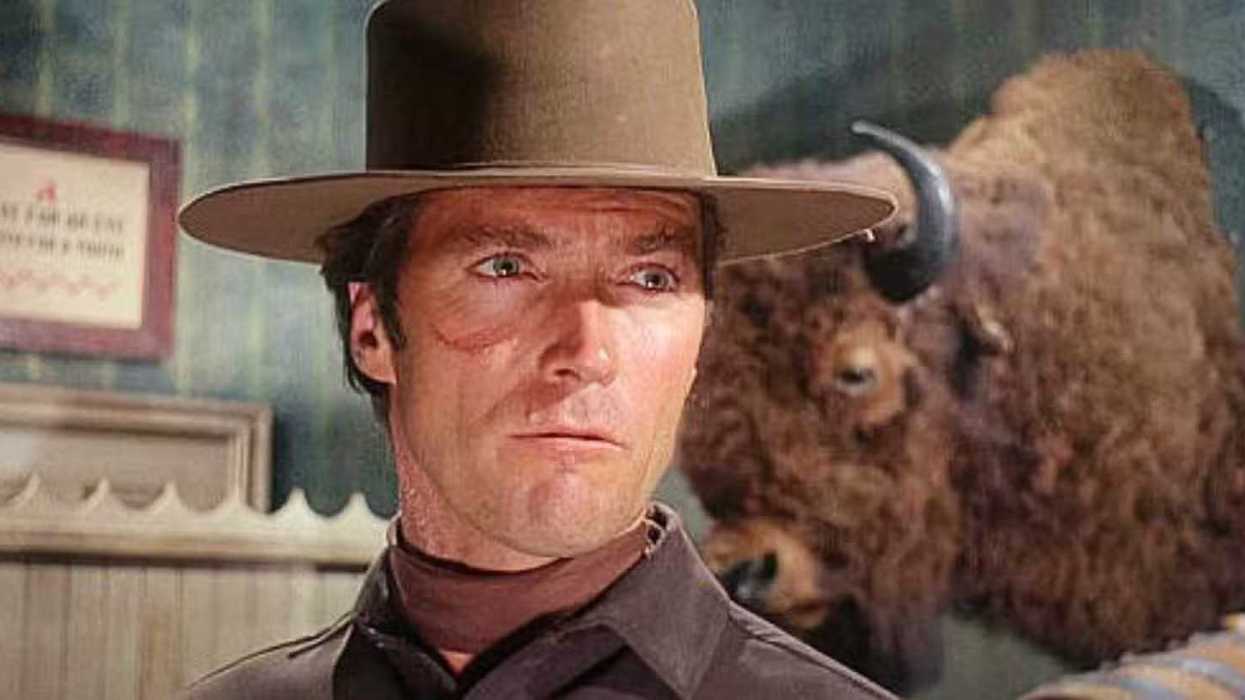
Clint Eastwood has had one of the longest and most storied careers of any actor ever. It's hard to believe, but his run with westerns started in Italy with Spaghetti Westerns, and he only came to America to do other westerns after that.
Well, 58 years ago, Clint Eastwood made his first Hollywood Western feature film as a lead star with Hang ’Em High, following his work in Sergio Leone’s Italian "Dollars Trilogy".
It was a gritty and realistic western that was the launch of Eastwood’s iconic Malpaso Productions.
This landmark movie has a ton of stuff to discuss, so let's dive in.
- YouTubewww.youtube.com
From Cinecittà Back to Hollywood
Clint Eastwood left playing the clean-cut Rowdy Yates in TV’s Rawhide to try his hand at playing a cowboy who was unlike the others in Hollywood. The guy flew all the way to Italy to try to reinvent who he was on screen and to have an opportunity to be more.
It was a big leap of faith for Eastwood at the time, and while he was over there, he worked with Sergio Leone on A Fistful of Dollars, For a Few Dollars More, and The Good, the Bad and the Ugly.
I mean, I consider one of them to be in consideration for the greatest movie ever made, so I get it.
Anyway, Eastwood forged the "Man with No Name" and became a legend over there.
So when it was time to return to America and to Hollywood, he was coming back a superstar after box-office and critical success.
And he didn't want to play by old studio rules when he returned.
Eastwood Changes Hollywood
Instead of signing a traditional studio contract, Eastwood formed The Malpaso Company (later Malpaso Productions) alongside his financial adviser Irving Leonard.
This was one of the first production companies run by an actor.
Eastwood was then able to step aboard a project he believed in, instead of one they brought him from the studio.
He picked Hang ’Em High, and it became Malpaso’s inaugural feature. That allowed Eastwood to suddenly build a culture of filmmaking where he controlled a lot of the aspects of production. In fact, he could pick his own material, work to get the budget, and was able to hire the creatives around him (including eventually directing himself).
Eastwood recognized that creative control requires financial control. By launching Malpaso, he secured a deal with United Artists where he took $400,000 upfront plus 25% of net profits and total autonomy over production decisions.
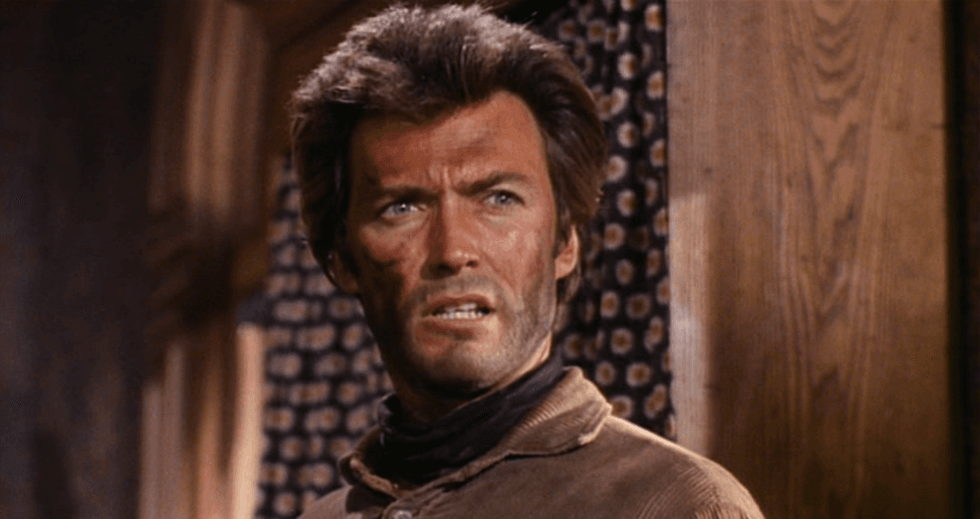 'Hang Em High'Credit: MGM
He also maintained some of the lessons he learned from Leone, including subverting the tropes of typical American westerns and opening them up to something more gritty and grounded.
We had the Spaghetti Western influence of graphic violence, extreme close-ups, and a protagonist defined by trauma who wants to get back at the world.
But Eastwood also took on Hollywood with this movie.
Remember, we're coming out of the McCarthy era, and this is a film about mob mentality and state violence.
This redefined the actor's influence, and it showed other Hollywood players that they could have their production companies and control their destiny, too.
Remember that distribution deal Eastwood locked up?
Well, it all paid off.
Hang ’Em High went on to gross over $10 million on a $1.6 million budget. It was the biggest opening in United Artists' history at the time and established Eastwood as a self-sustaining creative force who would then consistently write, direct, and produce his own work for the next six-plus decades.
Summing It All Up
Hang ’Em High laid the groundwork for the anti-hero era that defined 1970s American cinema and became the backbone of Eastwood's career. Without Jed Cooper, we wouldn't have Dirty Harry, The Outlaw Josey Wales, or Unforgiven.
And we wouldn't have actor-led prodcos that are all there from now on as people try to define their own destinies.
Let me know what you think in the comments.