Jordan Peele’s Process for Writing Stronger Scripts
This writer/director's advice goes a long way.
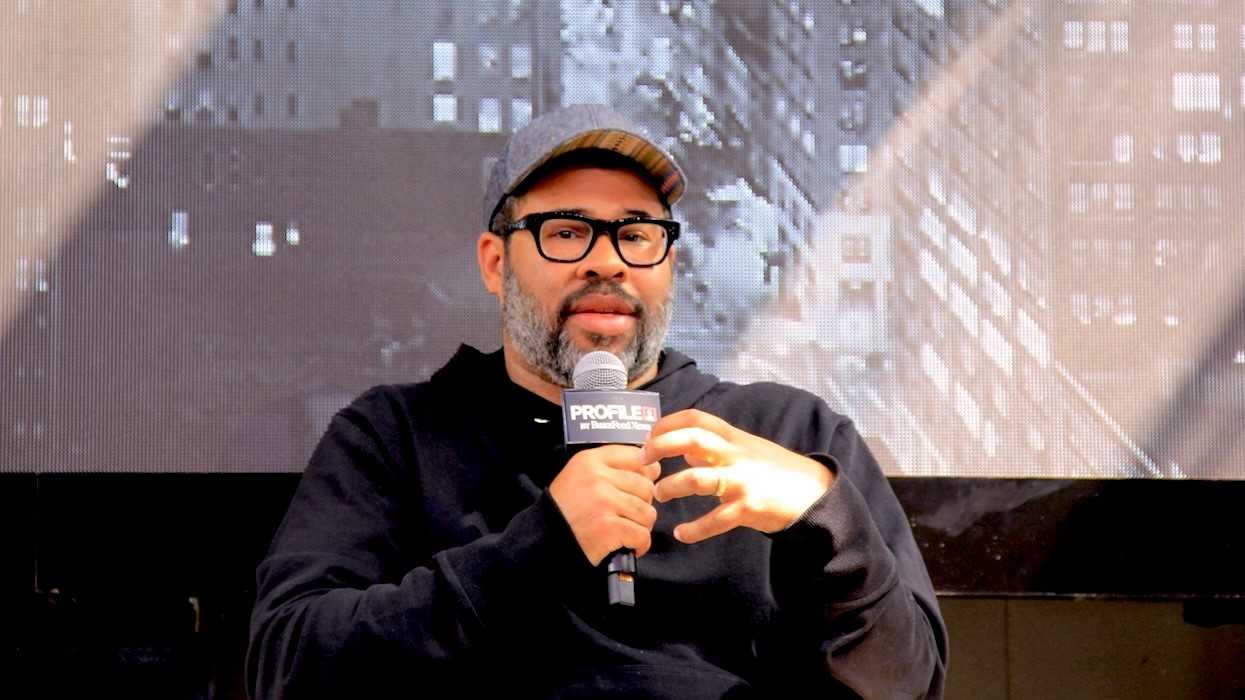
Jordan Peele at 2019 SXSW
Writer/director Jordan Peele spent years developing Get Out before he ever put pen to paper on the script. His approach allowed him to tell a fresh, compelling story that the horror space had never seen before.
As we wait for his production company’s new release Him (directed by Justin Tipping), we returned to a video where he discussed his writing process at a Film Independent Forum event with Elvis Mitchell. Check it out in full below, then jump into the big takeaways for writers.
- YouTube www.youtube.com
Follow the Fun
Writing should be something we want to do. Sure, it can be work. Sometimes you're under a deadline and really stressed out. But you should enjoy it, too.
"I allowed it to be my hobby," Peele said during his Film Independent Forum keynote. “I allowed it to be the project that I would go to instead of watching television. That would be the most fun thing I could do with my time. And the whole purpose of it was to help me get better as a writer.”
But what happens when you hit a wall as a writer, and you're blocked?
"Follow the fun," he said.
When you're having fun writing, that energy transfers to the page and connects with readers. Peele noticed this pattern during Key & Peele: "That simple, stupid sketch you cracked yourself up on will work. The process of having fun doing the work is visible to the audience."
This was probably the most important advice he gave at the talk.
Be Vulnerable and Specific
Peele emphasizes vulnerability and autobiographical truth. Get Out works because it explores his specific fears as a biracial man navigating predominantly white spaces.
"If you're telling a story and you're not bearing part of your soul or telling your truth, you're not doing it right," he said.
The more personal and particular you get, strangely, the more universal your work becomes. As he said, "People are drawn to the truth in art like magnets."
Use Constraints as Creative Gifts
Budget constraints on Get Out forced Peele to make stronger choices. Every time he hit a financial limitation, he used it as "a gift" to find a better way to tell the story.
“If I figure this out, and I figure it out in a way that makes my story better, then the story would continue to get better,” he said.
Limitations can be a blessing that forces you to focus on what's essential.
"The story you see is everything I couldn't change," he said.
Trust Your Perspective
Peele trusted that his truth would find its audience. He spent five years developing a story he thought might never get made because it felt too ambitious. Obviously, it paid off.
“I can't worry about this movie getting made,” he said. “I have to write my favorite movie that doesn't exist. That put me on this path of working on this.”
This is a really great place to start when you’re thinking about your ideas. What’s the movie you would be excited to see on screen? Write that, then you can start thinking about how it could be improved, made more commercial (if necessary), or marketed.
Let us know what you learned here.