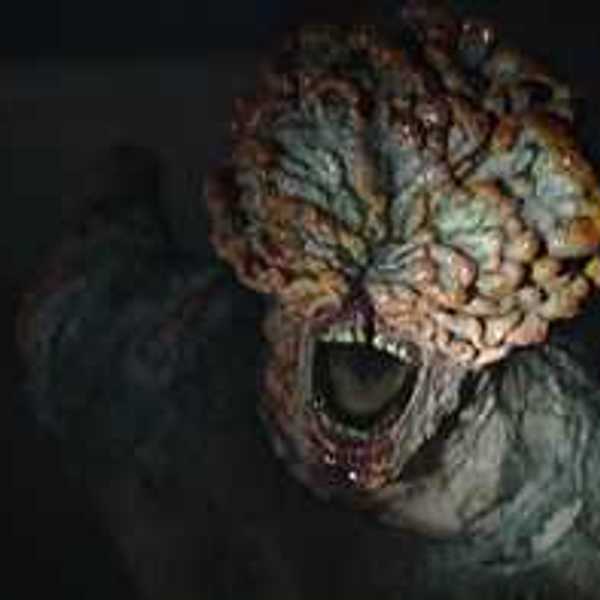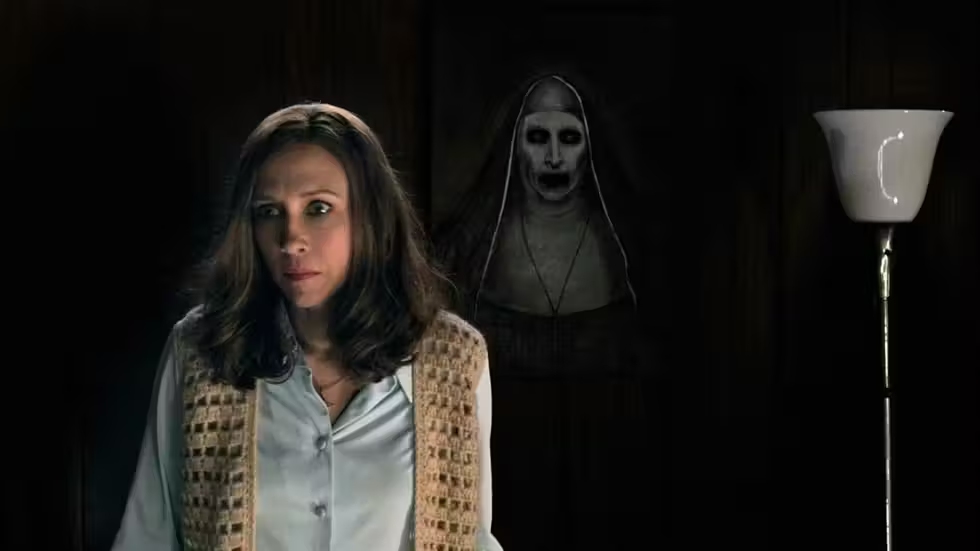
The jump scare is perhaps the most famous scare technique in the horror genre. It’s almost impossible nowadays to watch a horror film that doesn’t have one. Whether they’re false scares, loud noises, or genuinely important moments, the jump scare is a surefire way to make the audience’s heart rates spike for a moment. What’s even cooler is how long they’ve been around. Let’s trace the origins of the jump scare back over 100 years ago.
‘Häxan’
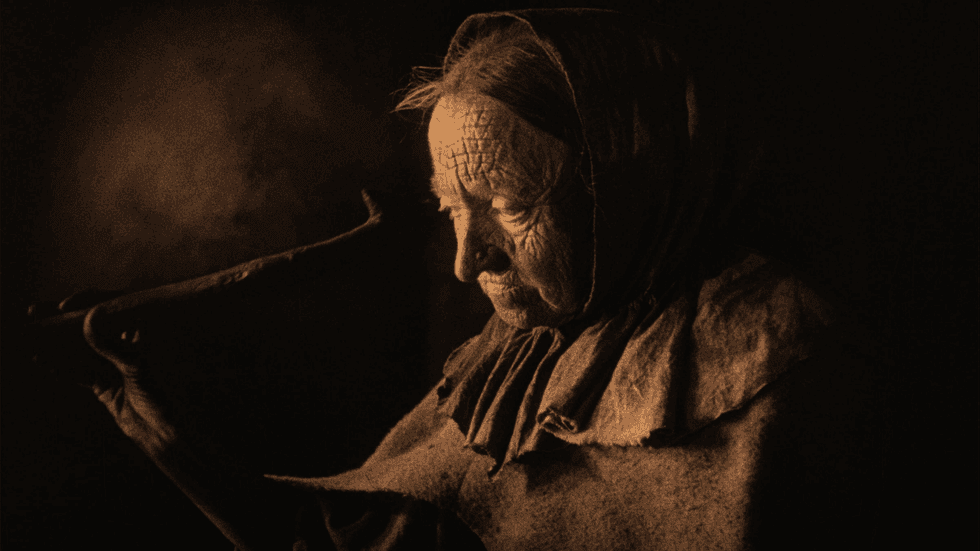 ‘Haxan’ (1922)Credit: Janus Films
‘Häxan’ is a Swedish-Danish part-documentary, part narrative anthology horror film released in 1922. It claims to chart the history of witchcraft, its practices, and beliefs dating all the way back to the Middle Ages. The film, like many of the greatest horror films of all time, balances much of its horror with genuinely funny dark comedy.
The Devil character, for instance, played by the filmmaker, Benjamin Christiansen, while horrifying, often pops up in darkly comedic ways and circumstances, generating as many laughs as he does scares. This leads us into perhaps the oldest film jump scare on record.
During a scene in the film where a religious figure is studying the text, without warning, the Devil jumps up from behind the pedestal and throws his hands at the man. Even for today’s standards, the moment marks for a truly terrifying moment, and one that doesn’t represent a false scare. It’s authentically built toward, and remains memorable over 100 years later. Despite the existence of this particular scare, the genesis of the jump scare trope is often credited to a different film that wouldn’t be released for another 20 years.
‘Cat People’
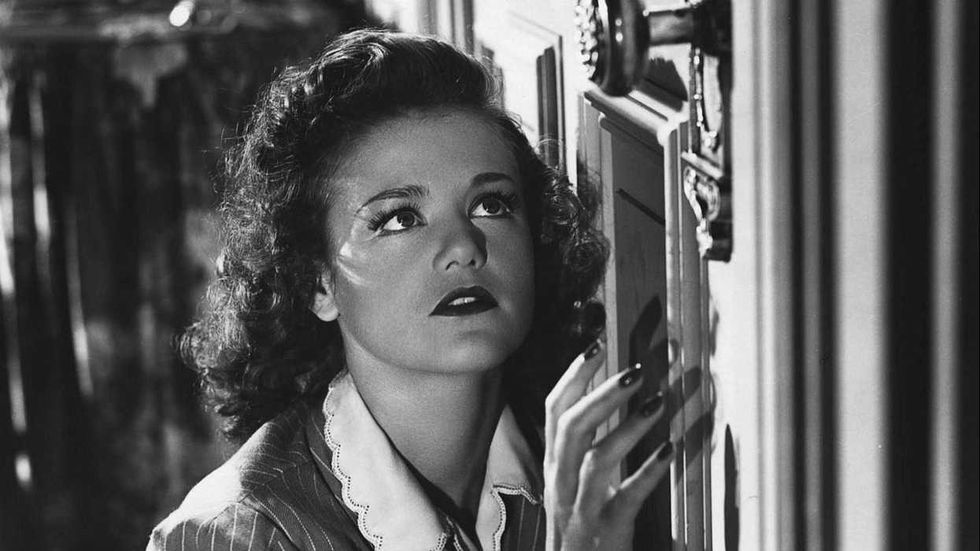 ‘Cat People’ (1942)Credit: RKO Radio Pictures
If you’re looking for a film to blame for the false jump scare becoming a trope, look no further than Jacques Tourneur’s 1942 classic, Cat People. The film follows a Serbian émigré who believes that she will turn into a black panther if she feels sexual pleasure.
The jump scare in question comes as our main protagonist is walking down a sidewalk late at night. She pauses at various street lamps, but picks up her pace quickly as she starts to become concerned that she’s being stalked. Once she reaches the edge of the sidewalk, without warning, a bus barrels into view, making a loud, screeching noise.
In the context of the film, it is certainly an effective way to relieve the stress of the moment, and ensure the audience that, at least for this brief interaction, the main character is not in immediate peril. It’s a well-structured, built toward, and fulfilled utilization of the technique.
In fact, the film’s producer, Val Lewton, felt so strongly about the effect that the scare had on the audience, that he began utilizing the exact same method in as many of his subsequent films as he possibly could. This coined the technique the name of “The Lewton Bus Effect” ever since. So the next time you’re watching a horror film, and there’s a really loud violin music cue as someone does something as innocuous as rounding the corner of a living room, you’ll have the original Cat People to thank for your annoyance.
How a Good Jump Scare is Crafted
For how much hate the jump scare gets in modern horror media, there are many over the years that have proven to stand the test of time. Jump scares can be lazily implemented through loud, startling sound cues and properly timed camera movements, but the best ones are much more thoughtfully planned.
Jump scares are absolutely allowed to be cut without warning. The thing that separates your average jump scare from a great one is the effect and consequence it has on both the individual scene and the overall narrative of the film. A popular example of a “without warning” jump scare is the demon appearing behind Patrick Wilson’s head in the original Insidious film.
There are subtle hints that the trained eye can catch regarding the filmmaking of this scene that may hint that a scare is coming, but the conversation being had at the table is focused on a flashback scene that already has an effective scare in it. The hard cut to the demon behind Wilson’s head remains frightening due to being both unexpected and having direct involvement with the conversation being had, and the stakes of the film. He’s also just a really scary-looking character, which helps.
You could also reference a famous scare like this one in The Exorcist III as one that is very obviously being built toward, but still comes across incredibly effectively. All of the signs that one is coming are there. The scene takes place in one continuous wide shot, the character keeps entering and exiting rooms, the side characters leave her alone in the hallway one by one, and the camera never moves. But the moment still happens with a crash zoom and loud music, and no matter how much anticipation you give yourself, it still terrifies you. Moments like these serve as both major tension relievers and creative tools for story advancement all at the same time.
No matter which way you like your horror scares served up for you, the message of the day is one that echoes through the vast majority of film history: the evolution of the medium is just as important to learn about today as ever before.
- David Lynch Created the Perfect Jump Scare in ‘Mulholland Drive’ ›
- Exploring Immersive Horror Filmmaking and the Terrifying Future of Jump Scares ›
- How to Craft a Freaky Jump Scare With ‘Boogeyman’ Director Rob Savage ›
- How to Write a Jump Scare ›
- How to Write an Effective Jumpscare ›
- The Best Jumpscares in Horror Movies ›