British filmmaker Paul Greengrass is known for his tight, frenetically edited action thrillers with an emphasis on true stories, as well as three of the five entries in the Jason Bourne franchise.
Let’s look at the five movies of his that are most worth your time from bottom to top.
The Lost Bus
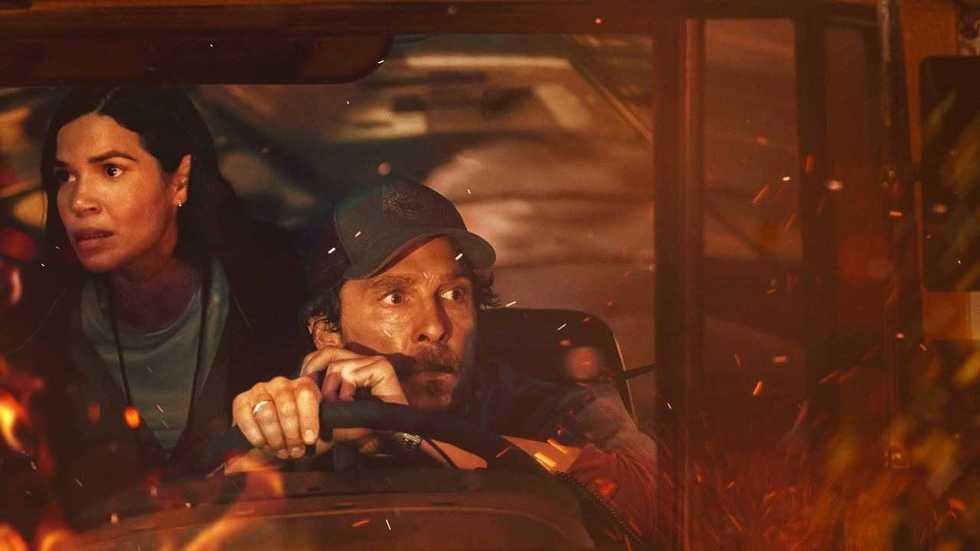
The Lost Bus premiered at the Toronto International Film Festival in 2025, and follows Matthew McConaughey and America Ferrera as real-life heroes who successfully transported a school bus full of children through a raging wildfire in Northern California in 2018.
Greengrass is most commonly heralded for his handling of tight, chaotic thriller sequences with close, shallow camera work, shaky movements, and frenetic editing. And while The Lost Bus still has plenty of these moments everywhere you look, the film also boasts some quite stunning blocked, drone-oriented camera work through wooded areas that often blend practical and special effects with wonderful fluidity.
Like all of his true tragedy/disaster oriented films, while the action and intensity is center stage, there is a clear message and heart at the center of the film that often sneaks up quietly during moments you may not anticipate. For a film that, to many, started rockily with questionable character exploration, the film concludes with a total gut punch.
The Bourne Supremacy
 ‘The Bourne Supremacy’Credit: Universal Pictures
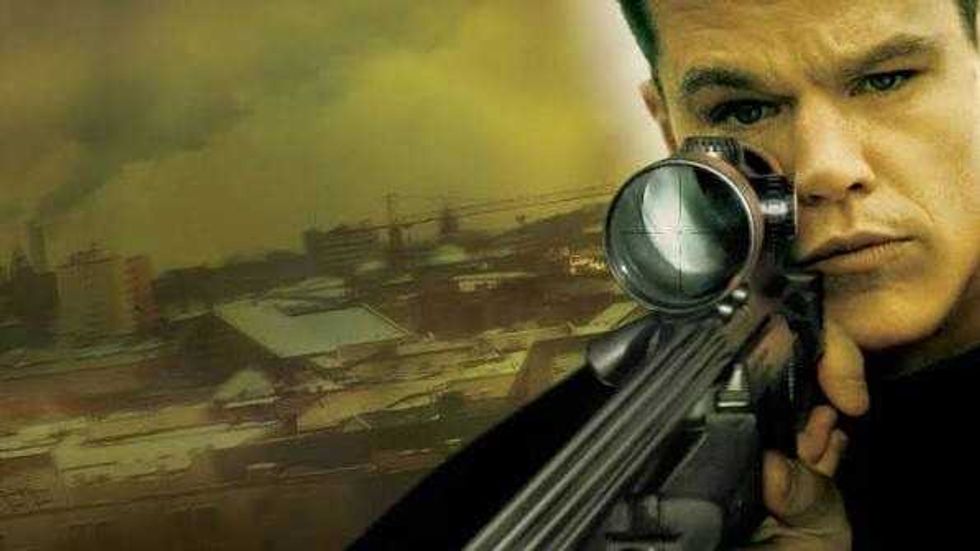
The second chapter in the original Bourne trilogy is probably the least talked about of the original three, but it still boasts some wonderful kinetic action, and progresses Bourne’s character in increasingly compelling ways.
Where many future action films after the Bourne franchise slipped up when attempting to replicate the shaky cam style of shooting that these films partially revolutionized was using it as a crutch to hide stunts. People still occasionally express their frustration with these movies for being shaky all of the time, but at the very least, when action scenes start, it doesn’t get worse. Lots of action films in the early 2010s especially have standard shot, reverse shot dialogue exchanges, then jump straight into close-up, shaky, blistering edited action that borders on incomprehensible. Even at their shakiest, and in Supremacy, they likely are, they’re still dynamic and easy to follow.
The Bourne Ultimatum
The concluding chapter of the original Bourne trilogy remains a fan favorite to this day. Probably the most talked-about fight scene in the entire franchise, the fight between Bourne and Desh in the apartment remains a key highlight, and when looked at retrospectively, the film is perhaps more timely today than ever before.
A common thematic thread of the Bourne movies is their exploration of a potential surveillance state that can track anyone at will. Twenty years ago it seemed relatively far out, and clearly the plot of an exaggeratedly high-stakes global thriller, but today, much of the more “elaborate” elements of The Company’s efforts seem like unspoken commonplace.
I’m not entirely sure why, but this was the Bourne film that I actually saw first when I was a kid. I guess I didn’t entirely understand the concept of franchises, and there being a lot of lore that I was missing out on. But it’s a consolation to the efficiency in characterization and plot progression of this movie that I never once felt like I was missing out on something to be able to understand it.
United 93
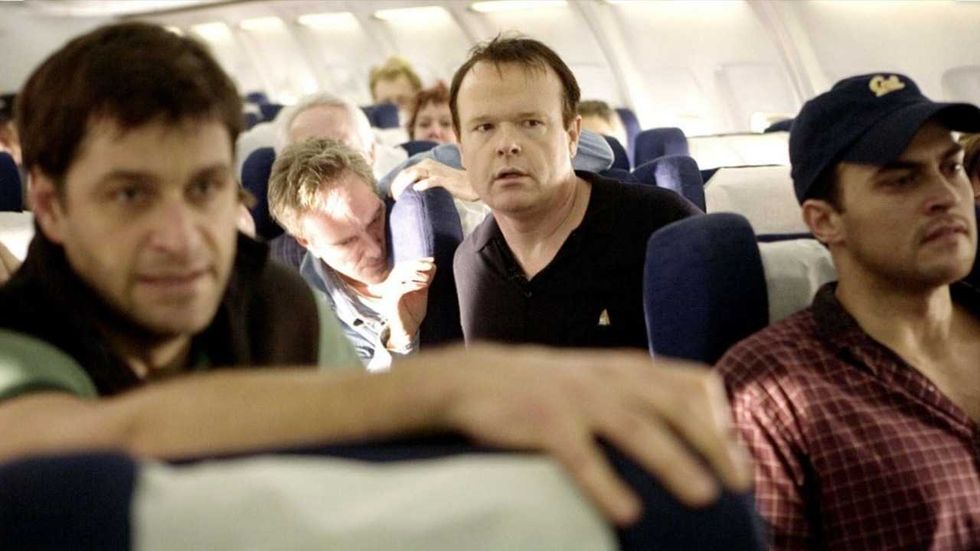 ‘United 93’Credit: Universal Pictures
United 93 is the film of his that I’ve had the most trouble finding desire to revisit. The film offers a real-time progression of the experience of the passengers aboard the doomed United 93 flight that crashed in Pennsylvania on 9/11.
It’s by far his most tragic film since you almost certainly know how it ends when you’re sitting down to watch it. The heroism on display is nothing short of inspiring, but to know what comes next makes it a film uniquely difficult to stomach. With that said, the use of such small geographical spaces in the film appears as though it wasn’t even a challenge for the crew. The cinematography remains as dynamic as ever throughout, and despite having foreknowledge of the story’s conclusion, the film is still totally white-knuckled.
Captain Phillips
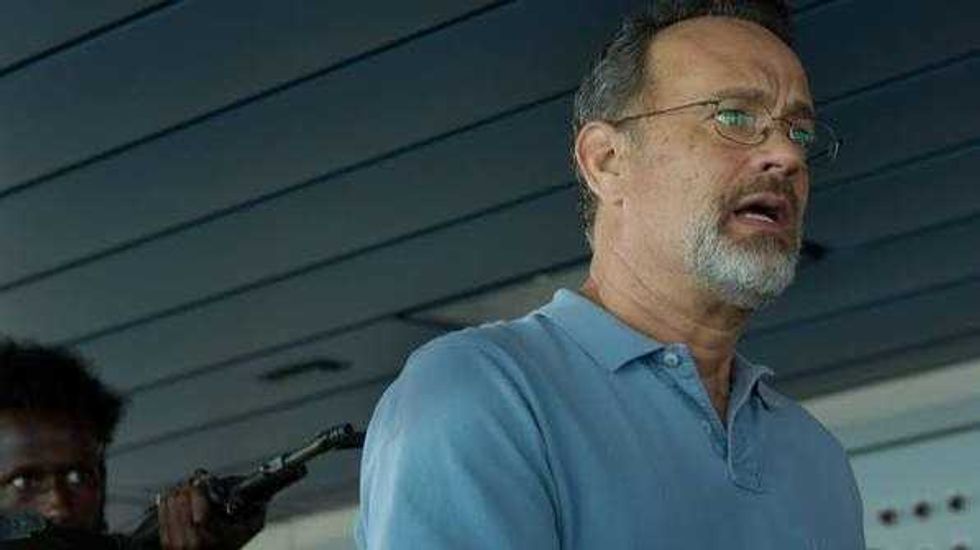 ‘Captain Phillips’Credit: Sony Pictures Releasing
Greengrass’ magnum opus, Captain Phillips takes every trait that people love about his work and dials it up to eleven. The film is tightly paced, terrifyingly suspenseful, deeply moving, and has an incredibly satisfying conclusion. Tom Hanks gives one of his finest, most underrated performances in the film as the title character, and then newcomer Barkhad Abdi gives a scene-stealing performance as the central pirate in charge of the hijacking.
Funnily enough, for how critically acclaimed the film was at the time, having received multiple key Oscar nominations in 2014, it’s one that hasn’t necessarily stood the test of time, 13 years after release. Personally, I would advocate for a renaissance for it any day of the week because it’s a film that I think back to quite often.