On November 8, 2018, the Camp Fire erupted in Butte County, California, becoming the deadliest wildfire in the state's history. The fire killed 85 people, displaced over 50,000 residents, and essentially wiped the town of Paradise off the map.
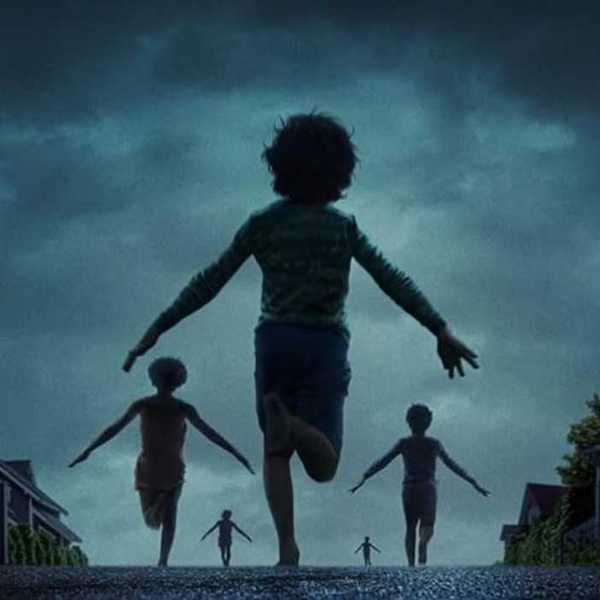
In the midst of this catastrophe, school bus driver Kevin McKay and teacher Mary Ludwig brought 22 elementary school children to safety during a harrowing five-hour journey through raging flames.
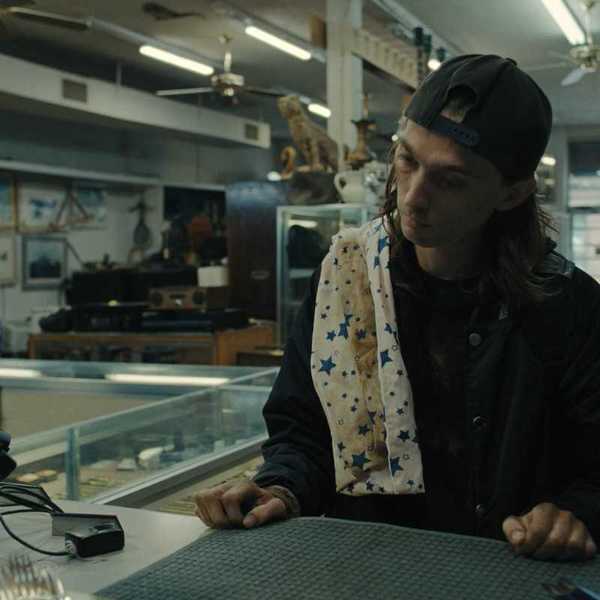
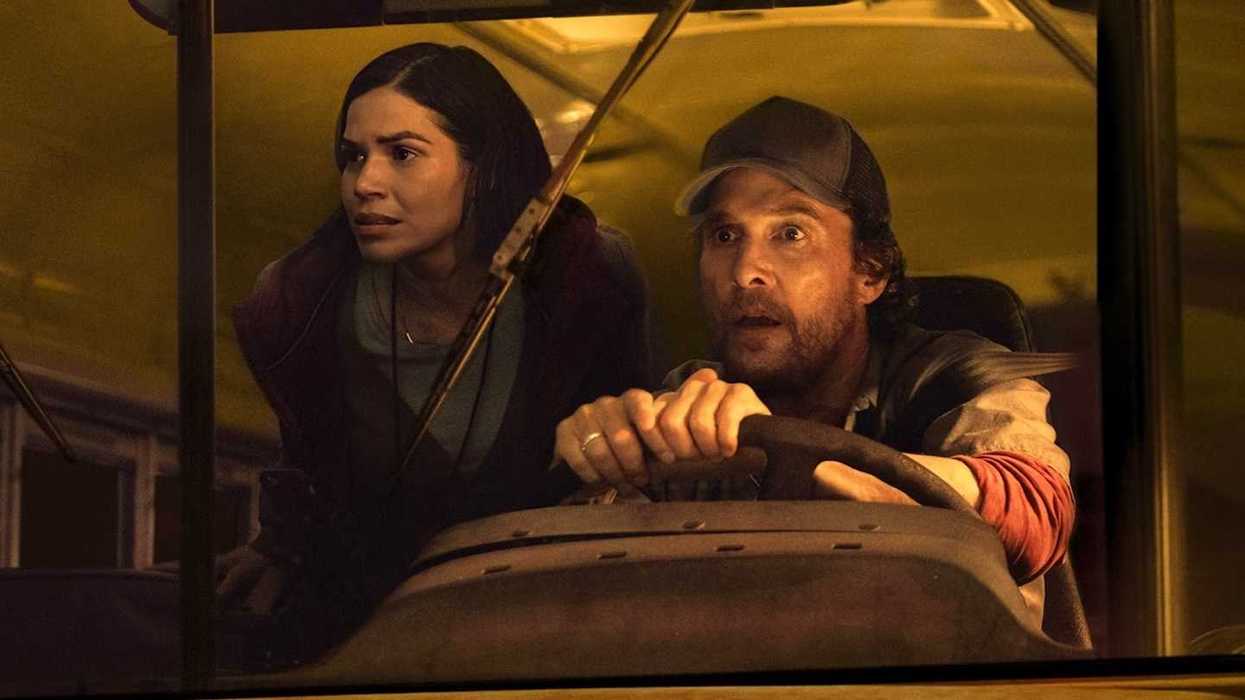
This true story is the basis of the new Paul Greengrass movie from Apple TV+, The Lost Bus. It stars Matthew McConaughey as Kevin and America Ferrera as Mary.
The two actors attended a press conference this morning in which they discussed making the film.
- YouTube www.youtube.com
What the Actors Say About True Story Adaptation
Both pointed to the real-life heroes as the reason they were drawn to their roles.
McConaughey said he enjoys stories of "outcasts that can do something heroic."
Ferrera agreed, "I think it's not very hard for me to look for heroes in everyday people." She said she wanted to "explore the nuance of heroism" through the role.
They both had access to their real-life counterparts, Kevin and Mary, who were generous with their time and experiences.
Ferrera also pointed to the more recent Los Angeles fires that devastated the city, which happened during post-production of the film.
"When you're faced with that kind of disaster, people are all you got," she said.
No Film School asked during the press conference about how the actors approached the roles for a true story while honoring real people and creating compelling entertainment.
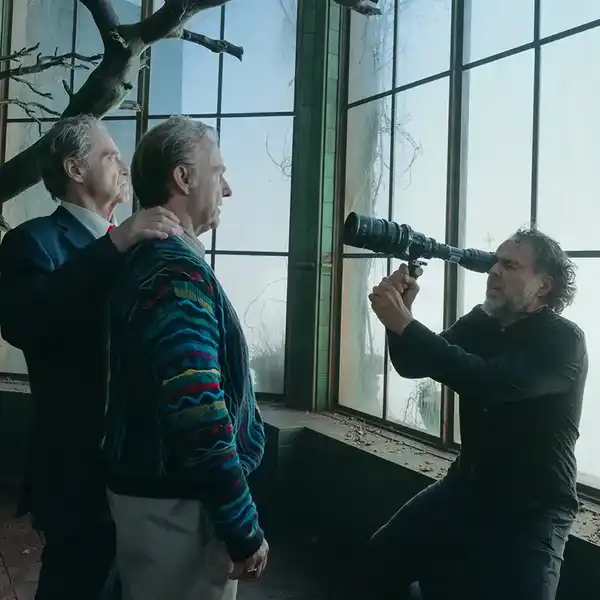
Ferrera said that Greengrass and the crew came to the project with the clear understanding that it was "inspired by" events, and that they were forging "their own creative journeys." They were guided by the journey they were most excited about.
Mary, she said, provided an "anchor," but "Paul would say, 'Let that go.'" Instead, they existed in an "in-between place" starting with that anchor, but felt free to explore the length of its metaphorical line.
McConaughey agreed, approaching the character using the real-life Kevin as a foundation and learning from "retelling how he felt that day." What was more important to the team was the "spirit of what [Kevin and Mary] did" during the tense event.
For the actor, what interested him about Kevin the character was "where he had not followed through" in his life. He is struggling to connect with his son (coincidentally played by his real son, Levi McConaughey) and find purpose in his life. That was what grounded him.
Tips on Writing True Stories
If you're interested in telling a true story, here's what you should take away.
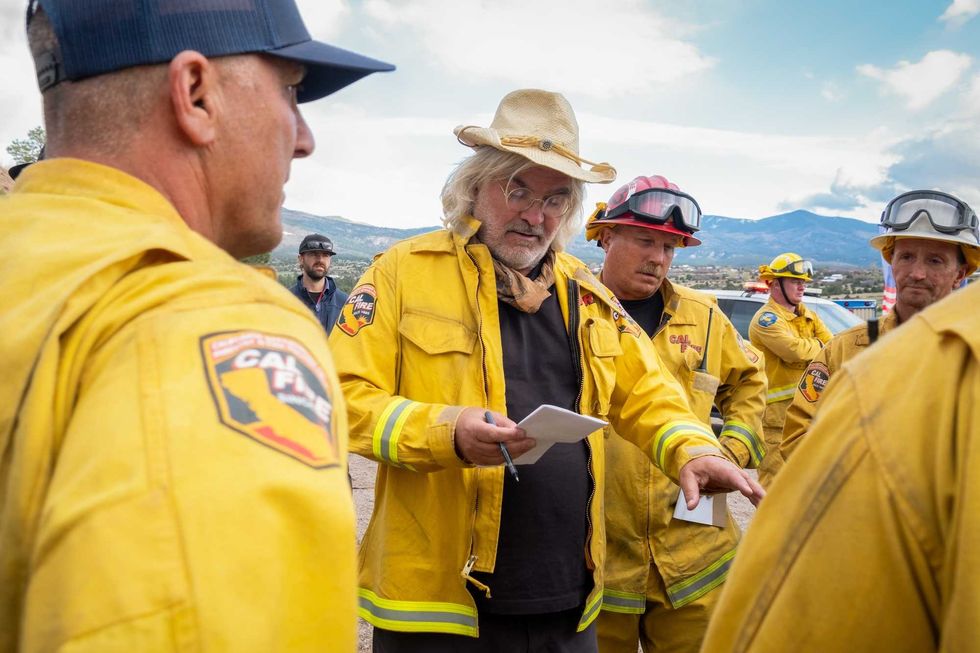 The Lost BusCredit: Apple TV+
Use Real People as an "Anchor"
Ferrera described existing in an "in-between place" where real people provided foundation and authenticity, but creative exploration was still encouraged.
This prevents exploitation (ignoring real people entirely) and paralysis (being too afraid to dramatize).
Find the Character's Flaws
McConaughey was most interested in exploring where Kevin had experienced some failure in his life—in this case, as a son and a father.
Flawed characters are more relatable and human. Don't just focus on the heroic storyline. Explore what journey led to that moment of courage or the sacrificial decision.
Don't Get Lost in Perfect Historical Accuracy
Framing a work was "inspired by" sets appropriate expectations with your subjects and your audience. Starting from here gives you room to take creative liberties.
Both actors valued capturing emotional truth over factual precision. Greengrass would literally tell them to "let go" of trying to recreate the real person.
Real life is often messy and undramatic. True events may lack the structure needed for a compelling narrative, and getting bogged down in details can prevent you from finding larger truths.
Instead, look for the spirit and emotional core of what happened rather than recreating every detail.
Look for Universal Themes in Specific Events
Ferrera connected the Camp Fire story to the broader human truth that natural disasters can connect people from all backgrounds.
Great true stories work because they reveal universal human experiences through specific circumstances.
Don't Forget This Important Responsibility
Both actors acknowledged their responsibility not just to Kevin and Mary individually, but to the entire Paradise community that suffered losses.
In a separate interview with TIME, Greengrass said, "When you make a film, you create a family of stakeholders, and I take carrying those people to the end with care, respect, and consent very seriously."
Consider how your film will affect the people and communities depicted.