The 007 Philosophy: Why James Bond Never Panics
Let’s unpack James Bond’s relentless sense of calm.
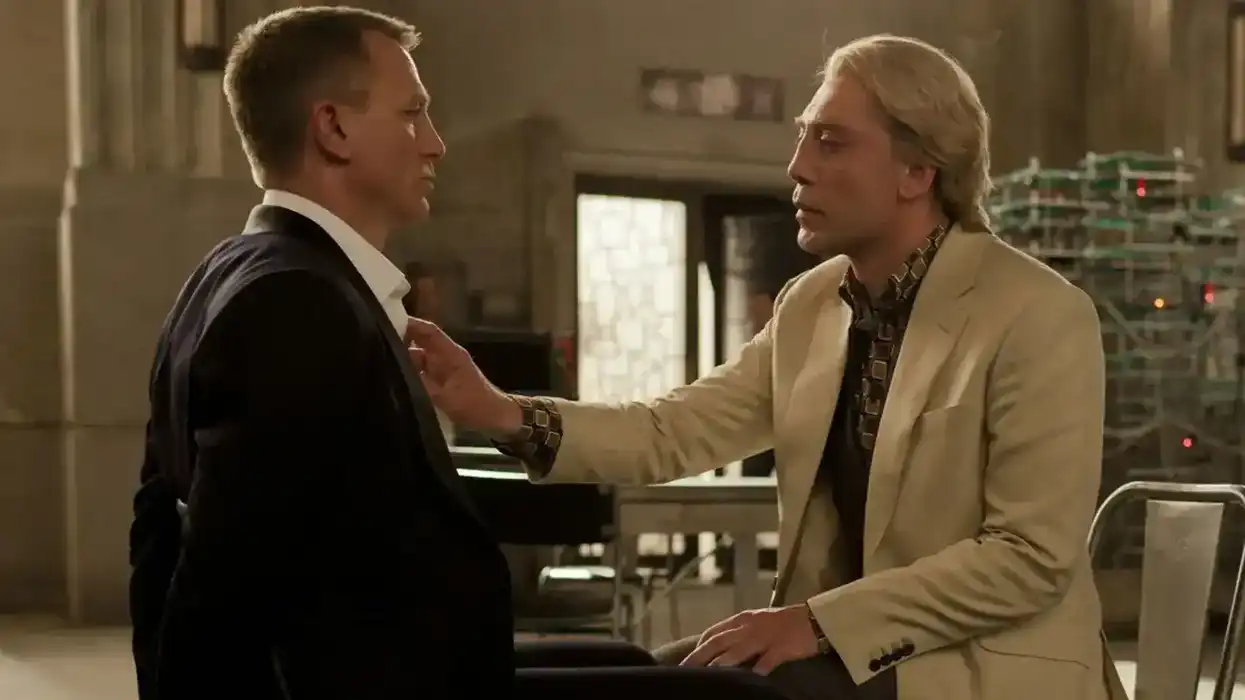
'Skyfall'
James Bond embodies the archetype of a heroic figure who keeps calm under tremendous mental and physical pressure. But this calmness isn’t just about style or bravado. It’s a profound philosophy that teaches us how high emotional intelligence is built on a foundation of genuine composure.
Behind the gadgets, the violence, and his unrelenting charm is a quiet philosophy that is a big reason why James Bond remains culturally relevant across generations. In every film, Bond is thrown into chaotic worlds where every decision is a high-stakes decision, and the pressure on him never ceases. He does not just suppress his feelings; he has masterful control over them.
Let’s jump right in and explore the philosophy beyond James Bond’s calm and composed demeanor.
How James Bond Masters Emotional Control
James Bond’s high level of composure may appear to be a stylistic character trait of a legendary spy, but it goes far beyond that. On the surface, his calmness is often mistaken for mere bravado or physical prowess, but his most defining strength is his emotional control.
Bond’s coolness is not performative; it is deliberate, calculated self-regulation. His internal discipline is rooted in the art of not being reactionary, even when he is thrown into a deadly situation where an uncomposed reaction would be acceptable. Bond calmly absorbs stress without projecting shock. This shouldn’t be misunderstood as indicative of indifference or nonchalance. It is, instead, a seasoned spy treating emotions as fodder for analysis and assessment, while others around him frequently succumb to the pressure.
James Bond’s control gives him psychological superiority. Often, his enemies are unaware of what’s going on in his mind, simply because he doesn’t show it on his face. This causes them to underestimate and misread him. He uses his emotional control to pause, assess, and redirect his mind towards finding solutions and making his way out of danger.
In many popular James Bond scenes, Bond seems oblivious to threats. What he actually does during these moments of perceived indifference is make a larger plan that doesn’t just get him out of trouble but results in a more complete victory for him and his allies. During difficult moments, he often appears detached and cold-hearted; a deeper look tells us that his emotions do exist, but they are contained until his actions demand them to come to the surface.
The Philosophy
James Bond confronts chaotic situations not by denying emotion but by not allowing it to disrupt the larger plan. His philosophical reasoning is rooted in Stoic principles of self-control, where one chooses logic and clear judgment over emotional reactions to things one cannot control.
None of this is possible without self-mastery, which James Bond trained himself in, having dealt with countless situations that provoke him to maintain unrelenting focus even during moments of extreme danger. Perhaps the most important aspect of the philosophy behind Bond’s composure is the unrelenting focus itself. This helps him maintain clarity in situations wherein it would be easy to let panic prevail.
Unrelenting focus, which is unconditional, never leaves James Bond, even when his life is in immediate danger. His philosophy doesn’t just demand control over his emotions; it also needs him to keep his impulses in check. Human beings are capable of being reactive, sometimes not emotionally, especially to protect themselves or the life of someone dear to them. James Bond’s impulses, just like his emotions, remain constantly within limits, always favoring restraint over reaction.
James Bond’s philosophy teaches us that true calmness comes through the dedicated practice of commanding one's responses and acting with calculated precision in times of uncertainty, as opposed to being reactionary and impulsive.
What This Teaches Us About Composure In Chaos
James Bond navigates through turmoil, including personal threats, professional crises, and unexpected setbacks, by maintaining his composure. He focuses on the larger strategy instead of immediate, short-term solutions.
Just like the saying ‘method to the madness’, there is a method to James Bond’s coldness. Sometimes, his lack of reaction is a reaction itself. When Bond’s life is in danger, as the audience, we may be more focused on his escape from a difficult situation. His composure must be read as his attempt at strategizing not just this escape, but the domino effect it would have on everything else. His composure in chaos comes from his self-awareness.
James Bond may have a list of options to choose from, but before he makes his selection, he analyzes how it would affect various political, professional, or personal elements, and then makes a decision.
Another important aspect of a character’s composure is the idea of them staying in the present. James Bond does not dwell on past failures or worry about the future. He seizes the moment, focuses on practical solutions, and refuses to wallow in regret. Bond embraces purposeful action over emotional paralysis. He does not let feelings get in the way of his focus.
In the end, being composed during chaos isn’t a superhuman ability. It is earned through careful practice, dedication, and tremendous effort. What’s a better weapon than a state of mental calm that allows us to think clearly and act in the most efficient way possible?
Summing It Up
For James Bond, as effortlessly charming as the composed demeanor may be, it is deeply rooted in ideas of self-awareness, emotional control, and an exceptional amount of focus.
He never rejects emotions. He embraces them and reacts to them when the time is right.
What is your favorite moment from a James Bond movie? Tell us in the comments below.
- Was 'North by Northwest' the Original James Bond Movie? ›
- Why Did a James Bond Stunt Require $70K Worth of Coca-Cola? ›
- James Bond Writers' Dilemma: If Bond is Dead, How Do You Bring Him Back? ›
- Every James Bond Movie Ever, Ranked ›
- What Are Some Classic 'James Bond' Story Beats and Tropes? ›
- 'Beirut': DP Bjorn Charpentier on Creating the Sundance Spy ... ›
- Read Some of the Best Spy Movie Screenplays - No Film School ›
- How We Hacked Production to Make a Full-Scale Spy Thriller for ... ›
- Bond Girls Used To Have Hilarious Names. What Happened? ›
- Go Behind-The-Scenes of GoldenEye (1995)- A James Bond Film ›
- How Casino Royale (2006) Reinvented the James Bond Franchise ›