Ranking the Jack Ryan Movies—And the TV Threat
A no-B.S. ranking of every Jack Ryan film—from Cold War classics to post-9/11 reboots—and how the TV version stacks up.
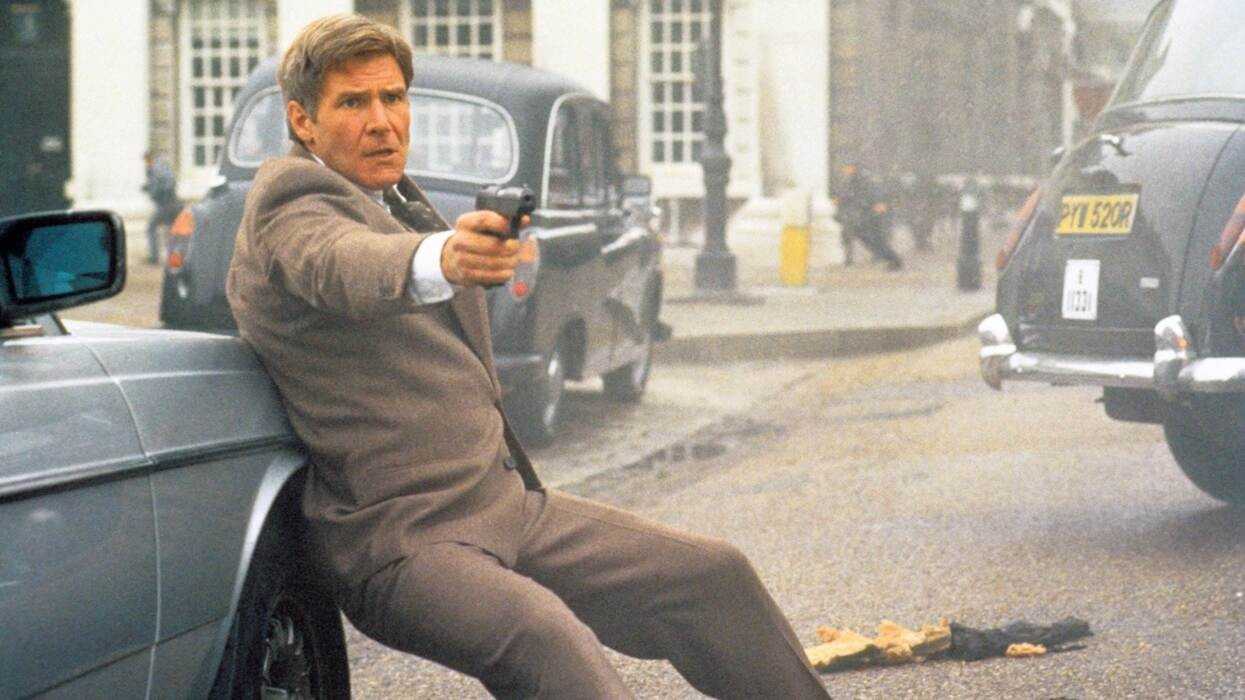
Patriot Games (1992)
Jack Ryan isn’t your typical action hero. He’s a CIA analyst with a knack for stumbling into global crises. Created by Tom Clancy, Ryan made his way from novels to the big screen during the Cold War, evolving through shifting political landscapes with five films and, more recently, a high-budget streaming series.
What sets this franchise apart? Grounded geopolitics over flashy stunts. While Bond and Bourne bring bravado, Ryan brings brainpower and a deep sense of duty. Across multiple reboots and lead actors, the core remains: one decent guy navigating a dangerous world that rarely plays fair.
In this ranking, we’ll stack all five Jack Ryan films from worst to best—and weigh how Amazon’s Jack Ryan series compares. Let’s see which version truly gets the job done.
5. The Sum of All Fears (2002)
Written by: Paul Attanasio and Daniel Pyne | Directed by: Phil Alden Robinson
The Sum of All Fears thrusts a younger Jack Ryan (Ben Affleck) into a terrifying scenario: a nuclear bomb explodes on American soil, nearly triggering a catastrophic war between the U.S. and Russia. Tasked with uncovering the truth behind the attack, Ryan races to expose a shadowy neo-Nazi conspiracy hoping to ignite global conflict. Morgan Freeman lends calm authority as CIA Director Cabot, while Liev Schreiber brings quiet menace to his portrayal of field agent John Clark.
There’s no denying this film swings for the fences. It attempts to reboot the franchise for the post-9/11 world by updating the Cold War formula to match newer fears—namely, rogue terrorism and WMDs. The production value is slick, the pacing stays taut, and there are moments of genuine suspense, especially as Ryan desperately tries to prevent retaliatory strikes. However, the decision to recast Ryan as a fledgling analyst—without the weight of past missions—makes the stakes feel a little too large for the character’s development arc. Affleck’s performance, while earnest, lacks the seasoned confidence we expect from Clancy’s protagonist. Clancy himself famously hated the film’s deviations from his novel, reportedly exclaming “bullshit” multiple times during the film’s screening.
Still, there’s value here for filmmakers. The film is a study in how to modernize a character’s world without completely rewriting who they are. It's also a reminder that global-scale thrillers can benefit from a quieter, more personal anchor. The tension works best when it stays human—when Ryan is forced to think, react, and convince, not just run and shout.
4. Jack Ryan: Shadow Recruit (2014)
Written by: Adam Cozad and David Koepp | Directed by: Kenneth Branagh
Jack Ryan: Shadow Recruit resets the board entirely, introducing Chris Pine as a freshly minted CIA analyst sent to Moscow to investigate a financial terrorism plot that could collapse the U.S. economy. Alongside him is Kevin Costner as his stoic handler, and Keira Knightley as Ryan’s suspicious girlfriend caught in the web. Kenneth Branagh wears two hats here—directing the film and playing its icy villain Viktor Cherevin.
While this reboot doesn’t reinvent the genre, it has its merits. The action is slickly choreographed, the cinematography is polished, and the film leans into modern economic fears with a degree of relevance. Pine brings a more agile, physical energy to Ryan, which some audiences appreciated—especially those newer to the character. The downside? The script plays it too safe. The narrative feels like it’s borrowing from better spy films (Bourne and Mission: Impossible echo loudly here), and Ryan’s intelligence and moral center—his defining traits—sometimes get buried under generic action beats. The film also underperformed at the box office, suggesting that the reset didn’t quite connect.
That said, this film is useful as a case study in rebooting an IP for modern sensibilities. It tried to shift Ryan from a thinker to a doer, and while that risks losing what makes him unique, it also opened the door to a new generation of viewers. For filmmakers, it highlights the importance of balancing action with identity—especially when adapting a legacy character with a loyal fanbase.
3. Patriot Games (1992)
Written by: W. Peter Iliff | Directed by: Phillip Noyce
In Patriot Games, Harrison Ford debuts as Jack Ryan in a story about revenge, politics, and personal stakes. After thwarting an IRA attack in London, Ryan becomes the target of a splinter terrorist cell led by Sean Miller (Sean Bean). What follows is a cat-and-mouse game that puts Ryan’s family in the crosshairs and his ethics to the test.
This entry ranks in the middle for good reason. Ford brings a grounded intensity to Ryan, turning him into a man driven not by duty, but by fear and anger. Director Phillip Noyce keeps the pace tight, balancing tension and emotional beats. Still, the climax feels overly dramatized, drifting from Clancy’s signature realism.
The film offers a valuable screenwriting lesson: grounding a thriller in personal stakes works, but not at the expense of plausibility. Writers can study this one to see how adapting dense source material means knowing what to cut—and what’s too important to lose.
2. Clear and Present Danger (1994)
Written by: Donald Stewart, Steven Zaillian, and John Milius | Directed by: Phillip Noyce
Jack Ryan levels up in Clear and Present Danger, diving into the moral swamp of U.S. foreign policy. When a friend of the President is murdered by a Colombian drug cartel, Ryan uncovers an illegal covert war being waged behind his back. This time, instead of chasing enemies, he is fighting corruption from within.
Ford, in peak form, anchors the story with quiet fury. The film balances character drama, political tension, and explosive action without ever losing its grip. The plot is dense but coherent, and the script isn’t afraid to get into the weeds of intelligence bureaucracy. Ryan’s confrontation with the President (“I’m sorry, Mr. President, I don’t dance”) remains one of the most quietly defiant moments in the franchise.
Here’s what stands out: the best political thrillers, instead of dumbing things down, make complexity feel accessible and compelling. This movie proves that audiences will stick with a complicated narrative if the stakes are clear and the characters earn their moments. It's a masterclass in threading action through moral conflict.
1. The Hunt for Red October (1990)
Written by: Larry Ferguson and Donald Stewart | Directed by: John McTiernan
The one that started it all—and still the one to beat. The Hunt for Red October finds Jack Ryan (Alec Baldwin) trying to prevent a nuclear standoff when Soviet sub commander Marko Ramius (Sean Connery) defects with the USSR’s most advanced submarine. It’s a tense, cerebral thriller that keeps the audience guessing as Ryan pieces together Ramius’s true intentions.
Why is it at the top? Because it’s the purest adaptation of Clancy’s vision. Baldwin plays Ryan with quiet intelligence and a believable sense of unease. Connery, meanwhile, gives Ramius enough gravitas to command both a submarine and the screen. Director John McTiernan (Die Hard) builds tension not through shootouts, but through decisions made in cramped control rooms and sonar stations. The film respects the audience’s intelligence, and that respect is what makes it timeless.
What this film teaches is simple: don’t underestimate silence, subtlety, and suspense. Writers and directors chasing high-stakes thrillers should study this one to understand how to keep things taut without losing the human element.
The TV Wildcard: Tom Clancy’s Jack Ryan (2018–2023)
Series Overview
Jack Ryan on Amazon reimagines the analyst for the binge-watch era. Played by John Krasinski, this Ryan starts as a desk-jockey and evolves—across four seasons—into the Deputy Director of the CIA. The series spans a wide range of modern threats: terrorism in the Middle East, political coups in Venezuela, and rogue nuclear states.
It’s a sprawling update that trades Clancy’s tight plotting for globe-trotting scope. With Michael Kelly as a sharp-edged Greer and Wendell Pierce adding emotional depth, the supporting cast often outshines the lead. Krasinski brings charm and relatability, even if the character sometimes shifts from analyst to action hero a little too easily.
Strengths vs. Films
What the series gets right is character development. Figures like Greer and Mike November are given layers rarely seen in the movies. The show also has the luxury of time—meaning arcs can build, twist, and pay off with weight. It dives deeper into politics and ethics, with season-long plots that span continents and reflect today’s global instability.
Weaknesses
That said, consistency is an issue. Season 2 stumbled with uneven pacing and an over-reliance on action. Season 3 recovered with more grounded tension, but the balance between “spy realism” and shootout spectacle often tilted too far into the latter. And while the series is stylish and timely, it sometimes feels like it’s playing catch-up with better-written shows like Homeland or The Americans.
Franchise Face-Off: Films vs. TV
Tone-wise, the films lean toward political thrillers with cinematic precision, while the series often plays like an action-adventure with intelligence jargon sprinkled on top. Character-wise, Baldwin and Ford gave us Ryan as a reluctant hero—smart, principled, and increasingly exasperated. Krasinski’s Ryan is more eager, more physical, and more adaptable to modern pacing.
The films benefit from tight scripts and clear stakes. The show benefits from the long-form freedom to build characters and expand the world. But sometimes, that freedom leads to bloat.
And here's a twist: Amazon isn’t done. A Jack Ryan feature film is reportedly in the works, possibly acting as a follow-up or "season 5 substitute" with Krasinski reprising his role. The story's not over.
Final Verdict: Which Jack Ryan Reigns Supreme?
If you’re looking for the best film, it’s The Hunt for Red October (1990). No contest. The Cold War tension, Connery’s screen presence, and the stripped-back suspense still hold up in today’s noisy, explosion-heavy market.
If you're after the most faithful adaptation of what Tom Clancy was actually trying to do? The Jack Ryan series comes closer than most of the films ever did. It’s uneven, but when it hits, it captures the complex geopolitical webs and moral ambiguity that Clancy wrote so well.
New to the franchise? Start with Red October. If it hooks you, dive into Clear and Present Danger next. If you’re more into long arcs, go the streaming route—but know that the movies will always be the sharper, leaner dose of Jack Ryan’s world.