Reese Witherspoon Says Your Film Career Depends on Understanding Gen Z
Can you write and direct things for the current audience?
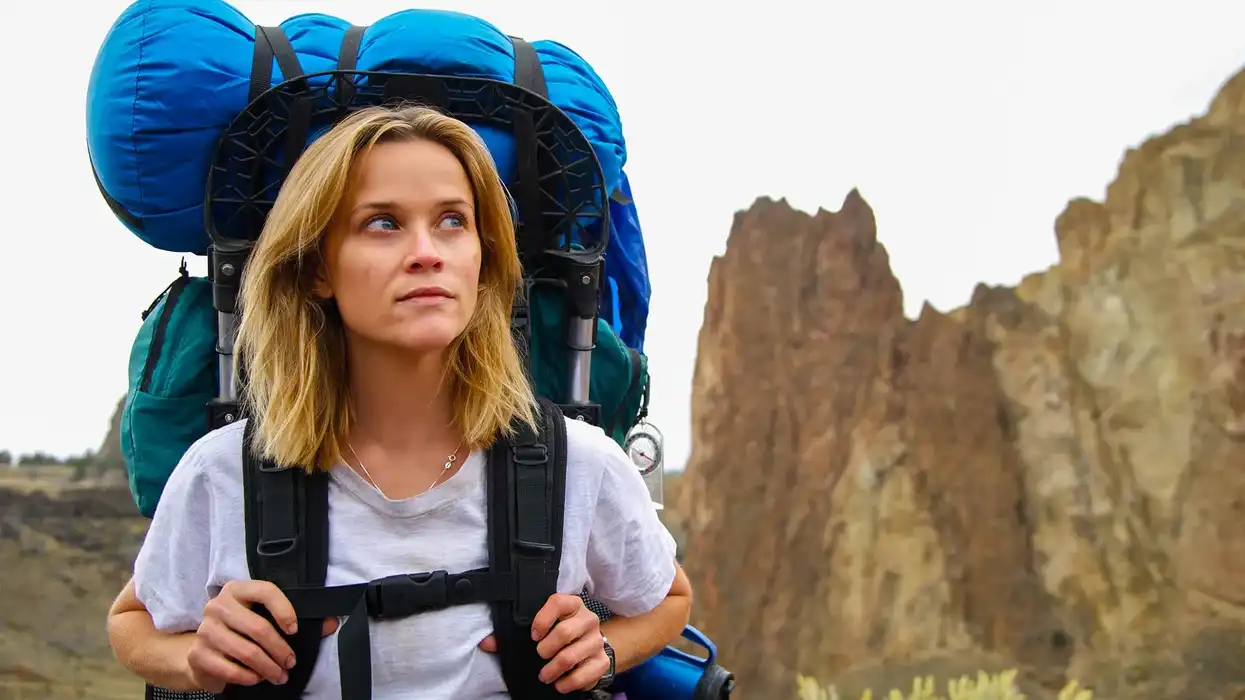
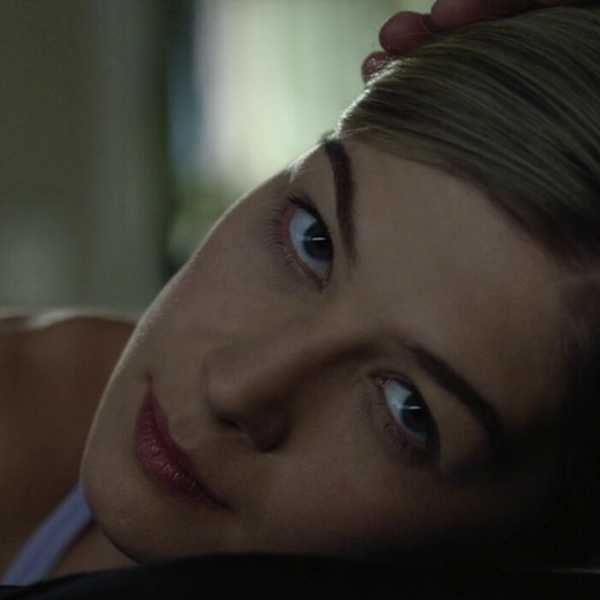
'Wild'
We've been covering this a lot lately, but the film industry is in a state of flux. We've seen so much consolidation over the last couple of years, and on top of that, everyone is trying to find a way to get audiences' eyeballs on their content.
Filmmakers have never been in a situation like this ever. And we're all looking for ways out. Enter Reese Witherspoon, a powerhouse actress and producer who has some ideas about the future of Hollywood and how we can succeed.
Witherspoon recently dropped some truth bombs about the seismic shifts happening in the industry, from the viewing habits of Gen Z to the rise of Artificial Intelligence.
Let's dive in.
The Game Has Changed: Gen Z Isn't Going to the Movies
Along with this revelation came the idea of how tech has influenced all of these decisions and how AI would factor into how things get made.
Witherspoon said, “Everybody knows it. You just have to understand how it’s going to happen. Because we still have to layer our consciousness on top of it, and use it as tools. Otherwise, it’s just a runaway train.”
These observations are pretty interesting. I'm not sure how movies can change for Gen Z. I think what's more likely to happen is that we're going to see theatrical shifts to larger-scale movies only and see other titles move to streaming. I also think stories may be told in a more episodic nature, so like shortening of TV shows or maybe taking movies and splitting them into episodes.
The reason I believe this is that Hollywood can't cater just to Gen Z to make money, as it would alienate others. We're going to have to figure out what kinds of content and stories draw people in.
But one thing we agree on is that attention spans are much shorter and the competition for eyeballs is fiercer than ever.
What Does This Mean For Filmmakers?
You need to think beyond the traditional theatrical model with what you're doing. Everybody is looking for answers outside the box, so you could be at the forefront with your experimentation.
I do not believe Hollywood is nimble enough to pivot to capture these audiences, but you might be.
If you're working on traditional ideas, think about how you can get right into the story.
Your story needs to grab them from the very first frame. No slow burns unless you've earned that patience. You're not just competing with other movies; you're competing with TikTok, YouTube, and every other piece of content at their fingertips.
Summing It All Up
The future of filmmaking is here, and it's a wild ride. But as Reese Witherspoon said, those who are willing to innovate will be the ones who succeed.
So, get out there and start creating.
Let me know what you think in the comments.