'Task' Screenwriter Brad Ingelsby Succeeds By Bringing Audiences Into His World
The Pennsylvania native adds a lot of flavor by writing what he knows.

'Task'
As No Film School's resident screenwriter and a native of West Chester, Pennsylvania, I am not sure there's a writer out there I'm programmed to love more than Brad Ingelsby.
Brad, if you're reading this, I think you were my 6th-grade computer teacher, but we can talk about that some other time.
What I've always admired about Ingelsby is his use of where we're from to tell very specific stories. His characters talk about scrapple and water ide and have that thick Delco accent that makes me feel like home.
And that's his superpower.
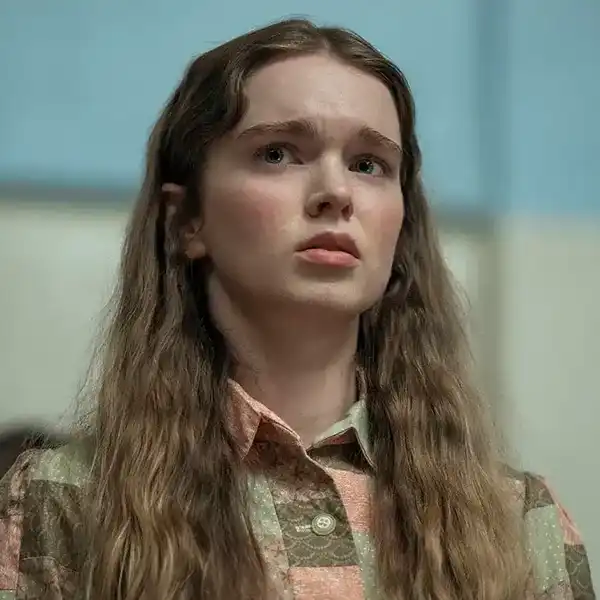
Brad Ingelsby is the creator of both Mare of Easttown and the new HBO series Task. He's been making the press rounds for his latest show and, of course, everyone wants to know if we're about to get a "Delco Crime Universe."
And the answer is… maybe?
Let's dive in.
- YouTubewww.youtube.com
See You At the Wawa
I was a massive fan of Mare of Easttown, I thought it was a great representation of the area...truthful and no sugarcoating it. So I was also excited to see Task, his new Delaware Country Crime show that has a lot of the same themes and the same location (or fictitiously close to it) as Mare.
At the NYC premiere of Task, Ingelsby told The Hollywood Reporter that a crossover between these shows isn't out of the question.
“I think there were still more stories to be told about people in Delaware County,” Ingelsby said. “They exist in the same world, so it wouldn’t surprise me one bit if Mare (played by Kate Winslet) walked into a Wawa that Tom (played by Ruffalo) was in. I don’t have a story in mind that’s a crossover, but I love the idea of their worlds intersecting.”
Let's be honest, the idea of Mare and Ruffalo's character, an FBI agent named Tom Brandis, meeting in a Wawa is about as Delco as it gets unless they met at Nifty Fifties.
Screenwriting Superpower From Brad Ingelsby
What I think every writer should learn is what Ingelsby has been doing for so long. He's creating a very specific world that he understands. He's finding universal themes inside it, but making it specific, so if you're not from the area, you can feel like you're exploring it.
As someone who grew up there, hearing characters casually mention the Acme or getting Rita's Water Ice on the first day of spring, this world felt lived-in.
But for people who have never heard of these things, these specifics are the anchors that draw them in. They paint a tangible world where the universal stories of family, desire, and humanity can unfold. The details make the fiction feel like non-fiction. This isn't just set dressing; it's world-building on a character level.
Here’s the takeaway: Your specificity is your superpower.
Don't be afraid to put the name of your local coffee shop in your script.
Don't shy away from the weird slang you and your friends used in high school.
That’s the stuff that makes a script feel singular. Find the universal emotions in the hyper-local details. Whether your story is set in Delco, PA, or Dubuque, IA, the human truths are the same.
Your job is to show them to us through a lens that only you can provide.
Summing It All Up
In a cinematic landscape often dominated by superheroes, a potential universe grounded in the reality of Wawa runs and working-class struggles feels vital.
Let us know in the comments.
- Dive Into 10 Screenwriting Tips From Robert Eggers ›
- Writer-Director-Actor Ramy Youssef Delivers Essential Screenwriting Advice ›
- Why Screenwriting Rules are a Myth ›
- How I Learned The Hardest Lesson of My Screenwriting Career ›
- ‘Task’ Took a Page From ‘Heat’ — Here’s What Filmmakers Can Learn | No Film School ›