I remember the day I sat down to watch the pilot of True Detective. It was one of those wonderful hours of TV that completely blew my socks off. It had this contemporary noir feel that sucked you in and made you feel like anything was possible.
Now, we're four seasons deep on the show, and looking at a new season coming starring Nic Cage. But before all that, I thought it was a pertinent time to go over the thing I love about the show the most: the writing.
Let's dive in.
1. Let Character Dictate the Direction
 'True Detective'CREDIT: Warner Bros. Television Distribution
The heart of True Detective is the detectives at the center of the universe. everything they're going through, and the case at hand is thematically intertwined.
The central mystery is the crucible in which the opposing ideologies and internal demons of the characters are tested.
This idea of letting the character lead the way, and letting the case pull out the worst and best in them, is not new, but this show does it so consistently over the course of several seasons.
The key takeaway is that the external investigation is secondary to the internal struggles of the protagonists. This ensures that the story is not simply a procedural but an exploration of the human condition.
2. Dialogue as a Philosophical Arena
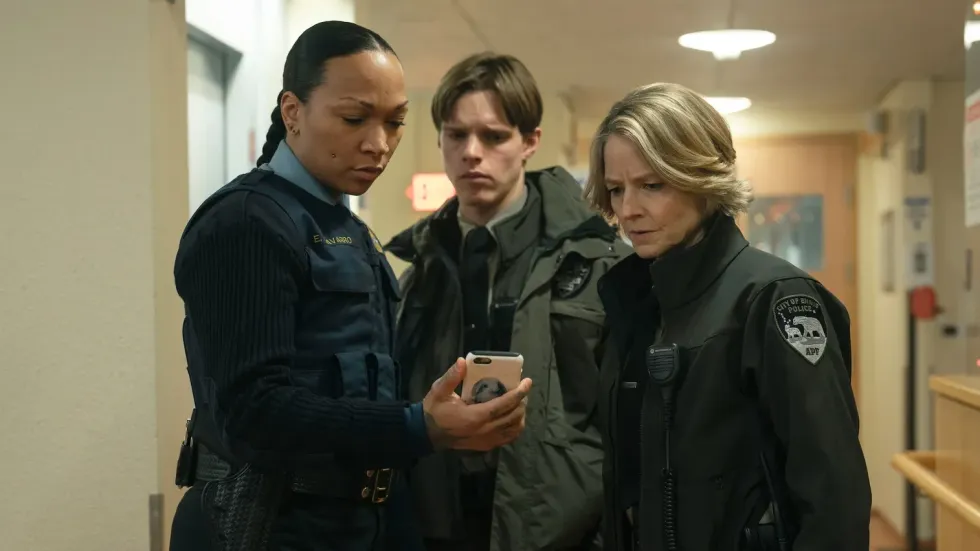
'True Detective: Night Country'
Credit: HBO
The early seasons of the show were renowned for their dense, literary dialogue. This all came particularly from the mouth of Rust Cohle, but other seasons also had strong discussions and storytelling that put ethics and big questions into the minds of cops.
Each character in this world had their own voice and point of view. And you often found that because they usually had two cops, each could be the opposite of the other, allowing us to poke and prod in these conversations.
This undercurrent elevates the series beyond a simple "whodunit" and transforms it into a meditation on good versus evil. We're constantly looking at flawed individuals and hearing the phrase, but the world. It allows us to identify with different characters at different times.
3. Weaving a Tangled Web
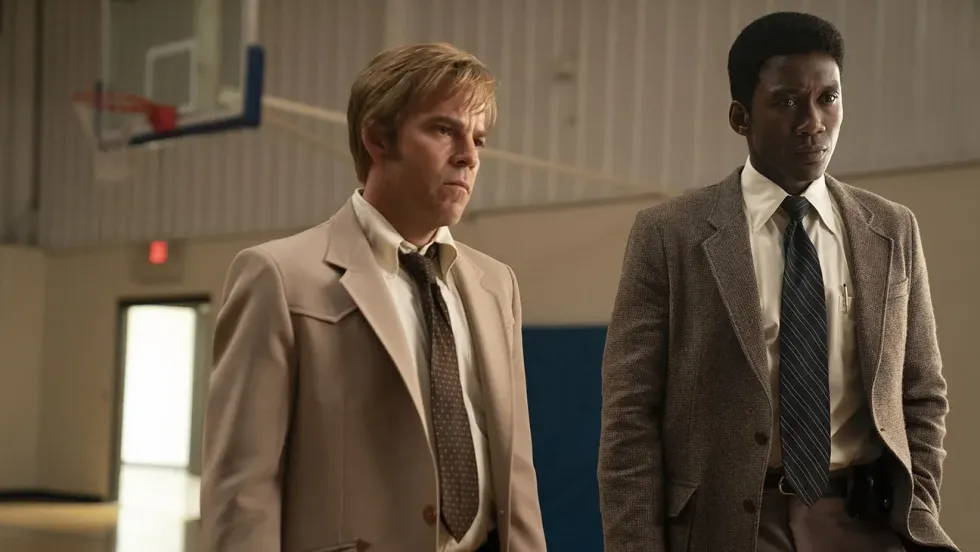
'True Detective'
Credit: HBO
The first season of True Detective masterfully employed a timeline that could jump at a moment's notice. It was not just a stylistic flourish; it was a way to tell a complicated story that lasted over the next few scenes, particularly the third, which jumped in time decades.
By juxtaposing the past and the present, the narrative creates a sense of dramatic irony and an ever-present feeling of dread.
We see the long-term consequences of the detectives' actions and the toll the case and their personal failings have taken.
The lesson for screenwriters is that purposefully playing with narrative structure can be as powerful a storytelling tool as character or dialogue. Have fun and challenge the audience.
Summing It All Up
By dissecting the atmospheric crime drama, this show has found a lasting audience and meaning for the filmmakers who watch.
There are the big lessons, but there are tons more.
Let me know what you think in the comments.