How Stanley Kubrick Mastered Film Noir (and Used It to Launch His Career)
It turns out, you can sneak whatever you want into the most popular genre of the day.
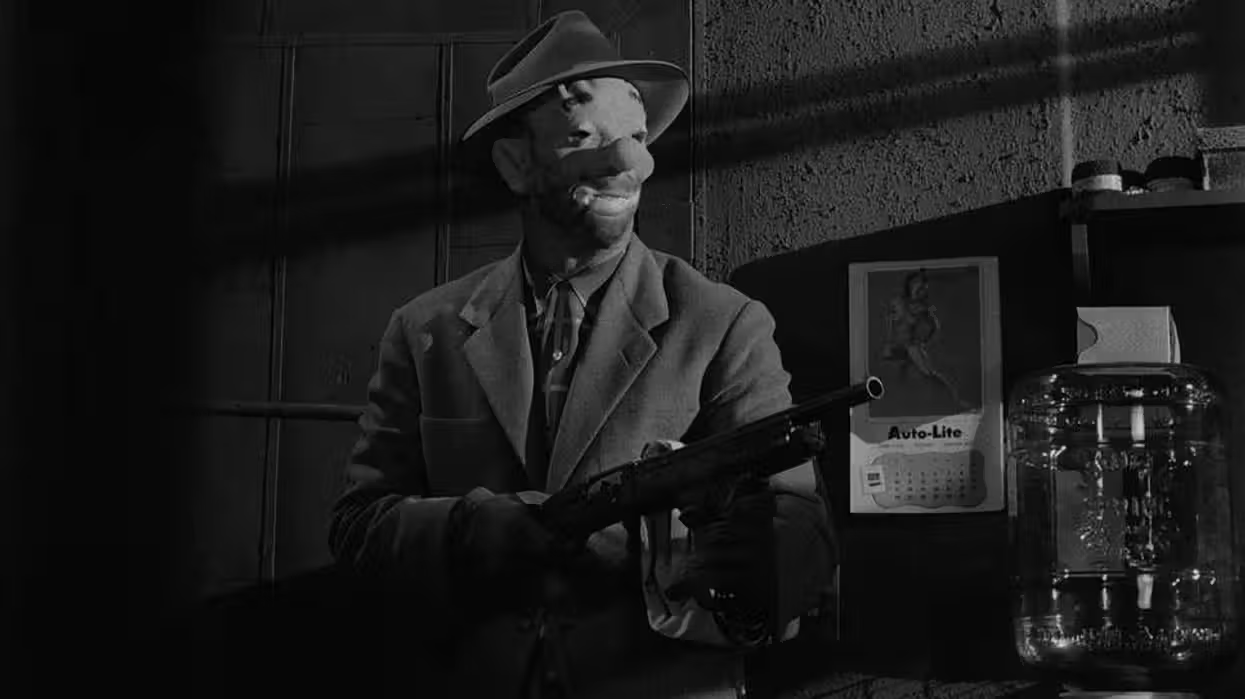
'The Killing'
Stanley Kubrick's ascent into being one of the most respected directors of all time is kind of wild when you realize he used film noir to get there.
Before he was a household name, Kubick was a photographer trying to get into movies and to earn the respect and trust of his peers.
This excellent retrospective from Turner Classic Movies tracks Kubrick's trajectory and shows how light, shadow, and a little noir helped put him on the road to success.
Let's dive in.
- YouTube www.youtube.com
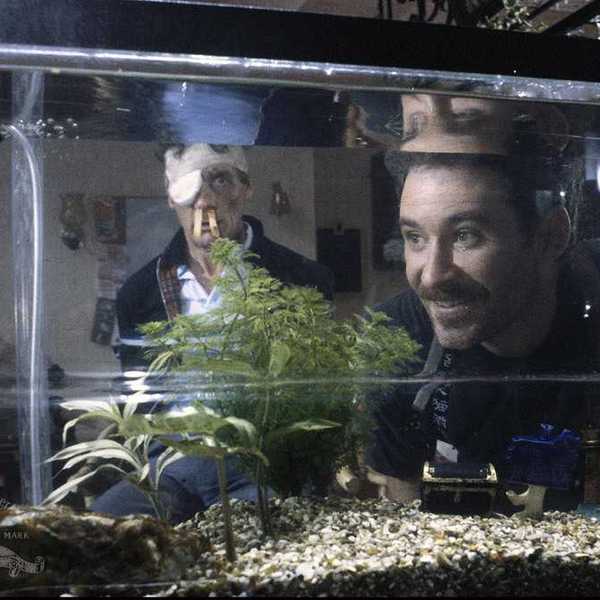
Killer’s Kiss (1955)
Fresh off his still-photography work for Look magazine, a young Stanley Kubrick jumped at the offer to direct his first movie. It was a noir called Killer’s Kiss that leaned into tropes.
We had a washed-up fighter, a woman taken by gangsters, and high-contrast chiaroscuro lighting and shadowy alleyways.
The movie is fine; it's one of those you watch because it's Kubrick, but it helped him get a calling card he could show around.
That led to... well... everything.
James B. Harris Meets Kubrick
Kubrick's calling card led to a lot of introductions, but the most important was probably producer James B. Harris.
Harris recognized Kubrick’s talent and offered a game-changing proposition: "What do you want to do next? I can get the money."
Now, as filmmakers, we know money is everything! You can get paid, pay your bills, and finance your dreams
This was the ultimate collaboration.
Together, they formed Harris-Kubrick Pictures and made a system that allowed Kubrick to retain creative control while securing necessary funding.
Breaking the Rules with The Killing (1956)
The first movie they did together was another noir called The Killing. It was a heist movie with an unconventional structure.
The film repeatedly replayed the same heist from the varying perspectives of different characters, showing how they behaved and dealt with the world.
And rather than career super-criminals, the heist crew consisted of everyday men driven by desperate circumstances, looking for a way to change their fates.
United Artists hated the non-linear structure and threatened to pull the plug, but Harris backed them, and critics did too. And it made Kubrick and other artists respected.
From Noir to Paths of Glory & Beyond
The Killing crushed with critics and gave Harris and Kubrick the leverage to tackle bigger subjects. They were scaling naturally and learning and perfecting as they went. Harris optioned Humphrey Cobb’s anti-war novel Paths of Glory, and they went after Kirk Douglas for the lead.
But here's where noir still stuck around.
Kubrick brought his signature noir techniques, like tracking shots, intense geometric compositions, and deep shadows, into the war movie. It made something fresh that no one had done before.
Paths of Glory proved that Kubrick wasn't just a noir director, but an auteur.
And that kickstarted a career that will stand fo ever.
The Return to Noir in Eyes Wide Shut
Over the course of his career, Kubrick tackled sci-fi, horror, historical drama, and satire, but at the end, he found himself right back where he started.
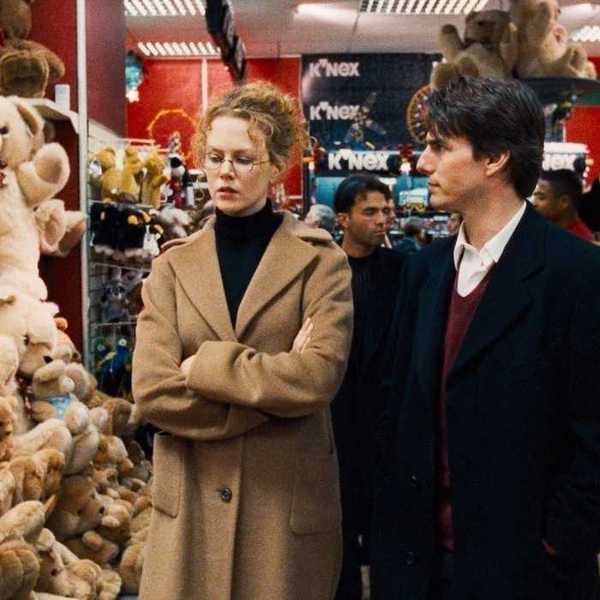
Eyes Wide Shut marked a return to his noir origins. We had Tom Cruise and Nicole Kidman as a married couple digging into a world that may be too dark for them.
Cruise found himself in a nocturnal labyrinth where sinister, covert organizations lurked in the shadows.
This was far from his first two films, but it still unpacked the human psyche and showed us a world we had to dare to enter.
Summing It All Up
Kubrick is an all-time great director, and his career is so admirable. He spent years on each movie and was such an exquisite craftsman. It's nice to look back at some of his less heralded films and highlight the tropes that may have influenced later work as well.
Let me know what you think in the comments.