5 Story Openings That Kill Your Screenplay
Don't stop your story before it starts.

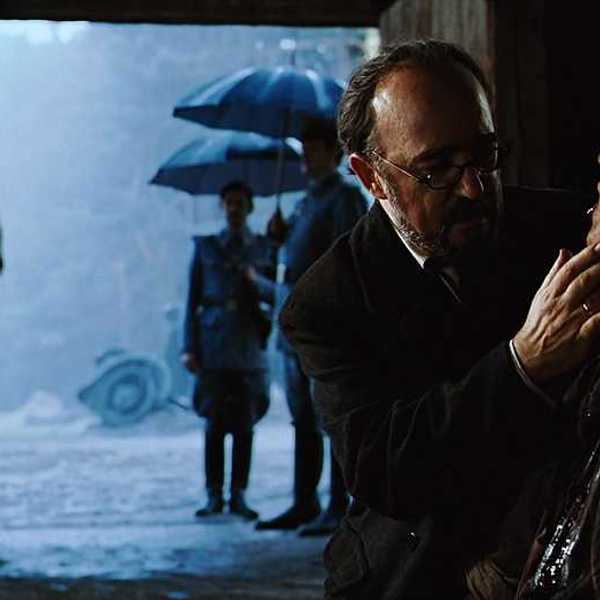
Children of Men
Your opening scene carries a massive weight. What's going on in your story? Why is it unique? What can we expect?
Generally, you've got about ten pages to hook someone, and industry pros will know within the first few pages whether they're in or out.
We recently checked out writer Brandon McNulty's video on the worst ways to start a story, and we think the advice is valuable no matter what you're writing.
Check out his video, then let's talk about five common screenplay openings that screenwriters should avoid.
- YouTube www.youtube.com
All Setting and No Action
New screenwriters often think they need to paint a comprehensive picture of the world before anything happens. They'll spend pages describing the weather, the way the setting looks, or the story's sociopolitical context. But readers usually don't care about this.
You need to balance where things are happening with what is happening. That doesn't mean you need a bomb to go off on page one. Just give us characters doing something, wanting something, then running into an obstacle. Your opening should set the tone and show us the heart and soul of why this project needs to exist.
Think about how Back to the Future opens. Instead of a boring alarm clock waking Marty up, it's a series of clocks in Doc's garage, which plays directly into the film's time travel theme. The setting serves the story.
In the script, we get one page of description, complete with the radio and TV dialogue. Marty appears on page two. The story begins.
- YouTube www.youtube.com
Action without Stakes
Some writers overcorrect from this and throw the reader straight into chaos, with bullets flying and explosions everywhere.
Great, except we have no idea why any of it matters. Who are these people? What do they want? What happens if they fail? You have to establish these things. Not always right away, but soon.
Every scene needs conflict, and conflict only works when we understand what characters stand to gain or lose.
Even in a massive battle scene, ground us with something personal. Tell the viewer who we need to care about and why. Show us the stakes either before or as you toss us into action.
Info Dumps
McNulty here is specifically calling out, starting with a news report or something similar that tells the reader a bunch of stuff right from the get-go about the world or situation.
I would call this one a "most of the time" rule for screenwriters, because there are several examples of it working perfectly fine, especially sparingly. Citizen Kane, a masterpiece, starts with a newsreel. Children of Men, also a masterpiece, starts with news dialogue and characters watching TV. Back to the Future, above, a masterpiece, also has a brief glimpse of the news.
- YouTube www.youtube.com
Some writers get this note and then default to, "Oh, so you should NEVER convey exposition via the news," and that's just not correct. It's more of a, "Can we do this differently?"
A news broadcast or article at the start of your script can be lazy. It just depends. If you're using it as a shortcut only to get a ton of information across, then reconsider. Ask, "Can I dramatize this instead? Can I show the event happening? Can we experience the same thing through a character's eyes?"
Waking Up in Bed
If your protagonist wakes up to an alarm clock in their bedroom on page one, you're starting in one of the most generic places possible.
Now, if they wake up taped to the ceiling or in the middle of a surgery, that's different. But a regular morning routine signals to the reader that nothing special is happening yet.
Show your hero doing what they love most or what defines them.
Drop us into their world at a moment that matters. Superbad opens by establishing Seth and Evan's relationship through raunchy conversation. We immediately understand these are two guys who can talk about anything except how much they'll miss each other when they attend different colleges.
A caveat here is that it can work, just like the news advice, in screenplays. Ferris Bueller's Day Off does technically start with Ferris waking up with a "fever," but the difference here is that it's not a normal day. He's about to have an adventure. It subverts this.
- YouTube www.youtube.com
Dream Sequences
Opening with a dream sequence (especially one that ends with your character jolting awake in bed) breaks the trust between you and your audience.
Your readers know the story is fiction, but they want to believe it's real. When you start with something intense, then immediately pull the rug and reveal it didn't actually happen, you're teaching the audience not to invest emotionally.
We've already covered a variant of this as one of the most hated plot devices in screenwriting.
So don't sabotage yourself before you've even started.
Want to dig deeper into opening your screenplay the right way? We break down how to write the first ten pages. Then check out some of the best opening scenes of all time to study.
Those resources will show you how the pros grab attention. Now start writing!