Should You Write a Movie with AI as the Antagonist? Maybe Not
A sci-fi standby might be played out.
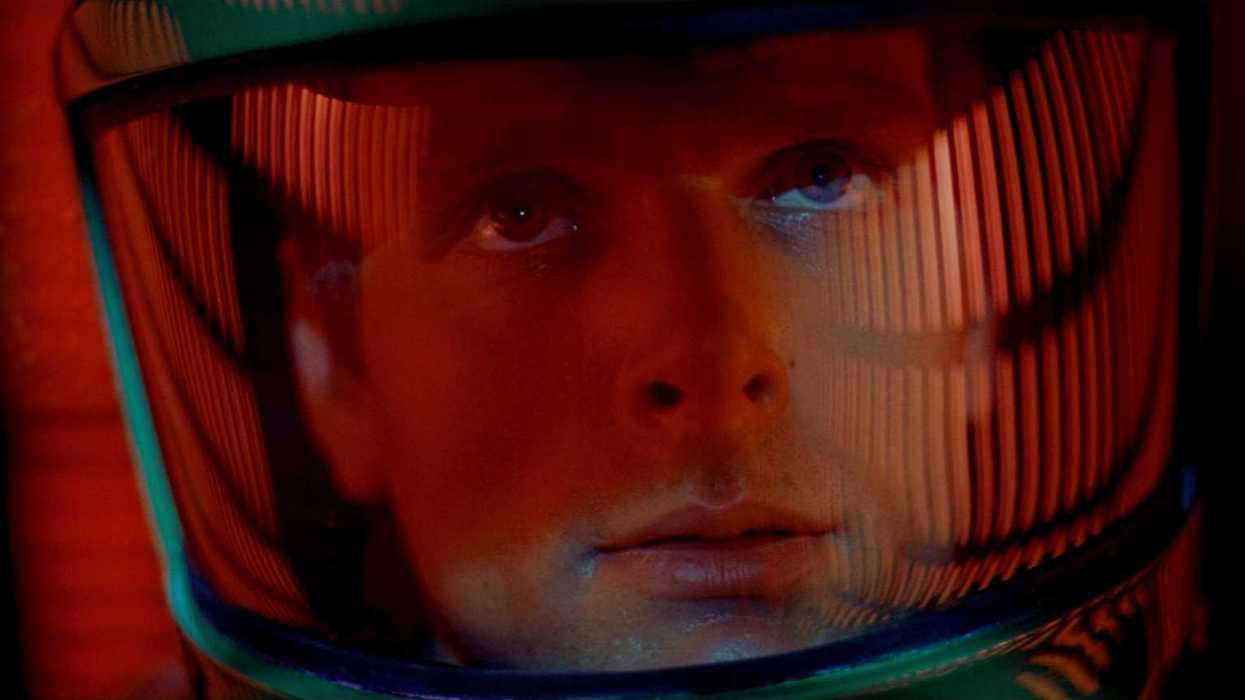
2001: A Space Odyssey
In the stable of great villain characters, AI has been on the roster for decades and has worked well. HAL 9000 terrorized Dave in 2001. Evil robots and Skynet were the big baddies throughout all of The Terminator series. The Matrix saw Neo overthrowing the computer overlords that trapped humanity.
Classics, all. But the times have changed, and AI hasn't been playing so well with modern-day audiences.
As The Hollywood Reporter points out, evil AI is pretty boring these days. The outlet points to films like M3gan 2.0, Tron: Ares, and the latest Mission: Impossible as examples of films with AI antagonists that flopped.
The disconnect is that these films arrived at what should have been the perfect cultural moment for AI anxiety, as it still remains a very likely threat—maybe not in the Terminator or Ex Machina murdery way, but in the sense that it's a tool with many vulnerabilities that could be exploited.
- YouTube www.youtube.com
AI as a Character
Representing AI on film presents unique challenges because movies need characters, but turning AI into a fresh character proves difficult, whether you make it an ominous display or a killer robot. The Hollywood Reporter notes that these portrayals often come across as either recycled or ridiculous.
We've been watching variations of HAL's red eye since 1968. Mission: Impossible made "The Entity" a blue swirly graphic. The upcoming film Mercy will use Rebecca Ferguson's face as its AI villain, but she's still just on a screen.
In reality, the large language models so many people use today are about as threatening as a Google text box and just as ubiquitous. It's tough to fear something that helps you draft your resume or find a good cake recipe.
What Screenwriters Should Do Instead
What does this mean for screenwriters?
Recognize that the audience's relationship with AI has fundamentally changed. The abstract terror that made HAL 9000 effective doesn't translate when viewers interact with AI on a daily basis. People are keeping versions of HAL in their pockets and asking it for plumbing advice.
Your villain needs dimension beyond "sentient program wants to destroy humanity." Think about what we've emphasized about memorable antagonists. They need belief systems that provide logical foundations for their actions, however twisted those foundations might be.
When Mission: Impossible characters warn that the Entity has become sentient and it's so smart they can't outthink it, audiences just don't care.
What's the emotion behind the evil? Maybe your AI antagonist represents something else. This could be corporate greed, surveillance capitalism, the erosion of privacy. Try to make the technology a metaphor, not just a big computer-based baddie.
As The Hollywood Reporter points out, is there something else with better dramatic potential than AI? Maybe it's nukes, maybe it's a devastating pandemic (too soon?), maybe it's something we haven't discovered yet. Consider replacing AI with a fresher alternative.
You could also scale down. Not every AI villain needs to aim for total domination. HAL was scary because he was going through an emotional breakdown and was only at odds with his crew members and himself. He wasn't trying to rule the universe or anything. Ex Machina was just as intimate.
Examples that Work
If you're committed to writing an AI antagonist, study where the trope succeeds in the films we've mentioned.
Don't limit yourself to big-budget movies. Look at examples from video games, too, like GLaDOS from the Portal series.
Books are also a great place to explore. The Hyperion Cantos has the TechnoCore. The short story I Have No Mouth and I Must Scream by Harlan Ellison features an evil AI known as AM, Allied Mastercomputer. And it's really evil.
These villains are funny and dark and complex and terrifying, and they're not like the traditional portrayals in film.
Whatever your choice, it's pretty clear the tried-and-true AI villains aren't working anymore—or at least audiences aren't showing up to watch them.
Let us know your thoughts.
- What Are Some Compelling Attributes of a Villain Character? | No ... ›
- Protagonist vs. Antagonist: How to Pit Characters Against Each ... ›
- Do You Know Who the Antagonist Is in Your Character-Driven Story ... ›
- What is An Antagonist? | No Film School ›
- From HAL 9000 to Ava: The Greatest AI Villains Ever Made | No Film School ›