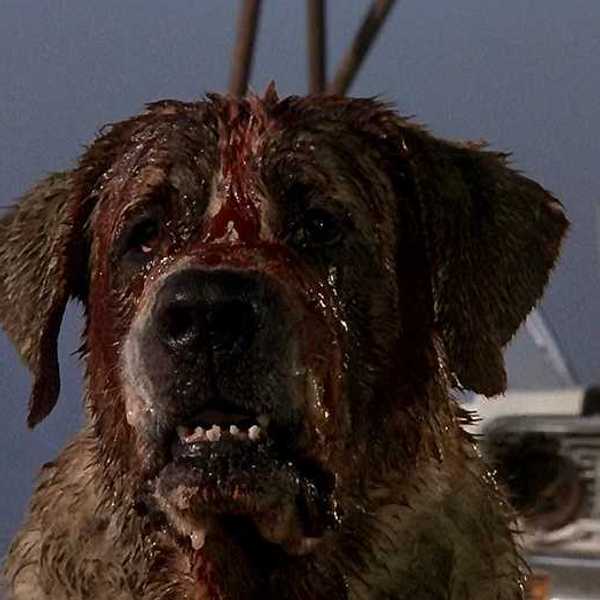
The Secrets to Writing Unforgettable Villains
Get your antagonists to pop out in the audience's mind.
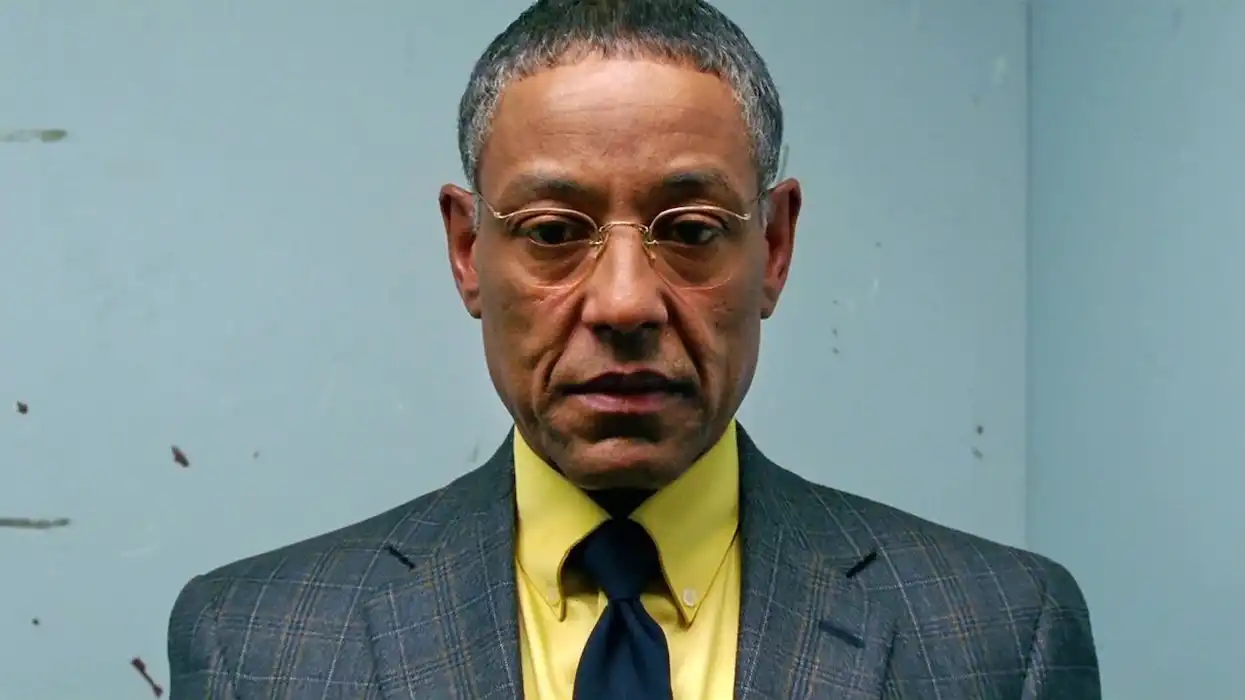
'Breaking Bad'
When you're working on a screenplay, you spend so much time making sure the hero pops out and the plot makes sense that oftentimes, the villains can be left behind.
But if you want a movie or a TV show to really stand out in the audience's mind, or attract some great actors, you need the villain to be unforgettable.
Today, I want to look into the YouTube video I watched about how screenwriter James A. Hurst works to create memorable villains.
Let's dive in.
Create an Unforgettable Villain
Look, screenwriting is hard. It can take me forever to finish a script and to really craft it in a way that connects with an audience.
So if people have "tricks" or "shortcuts" to do this stuff, I'm all ears. That's ehy I was pumped to watch this video.
1. Villains Believe in Something
The Joker, for example, is a twisted nihilist who believes that human morality is a fragile construct that he can bend if he puts people in the right situation. This belief system, however warped, provides a logical, albeit terrifying, foundation for his actions.
If you know what someone believes, you know how they're going to act. And you can write scenes around that.
2. Villains See Themselves as Heroes
this is a pretty old strategy, but one to keep in mind. They think they're doing the hard work in the script.
Take Gus Fring from Breaking Bad. He's a disciplined and methodical man who sees his brutality as a necessary component of his grand vision. Even Thanos, the genocidal warlord from the Marvel Cinematic Universe, believes he is the only one with the courage to make the difficult decisions necessary to save the universe.
These villains force us to confront uncomfortable truths and question our own definitions of good and evil.
3. Villains Target the Hero's Vulnerabilities
What's your hero's Achilles heel? If it's Achilles, I can venture a guess. Another example would be how Darth Vader's revelation that he is Luke Skywalker's father shatters Luke's sense of self and his understanding of his place in the galaxy.
Vader then uses that to continuously lure him to the dark side. And Luke uses that fact to try and Lure Vader back to the light.
By targeting what matters most to the hero, the villain creates a deeply personal and emotionally resonant conflict.
4. Villains are Unstoppable Forces
I think about The Terminator when I think about this idea from the video. How he just keeps coming no matter what, until you finally tear him apart.
But there are other ways to do this stuff, like how Amy Dunne from Gone Girl meticulously orchestrates her own disappearance and frames her husband, controlling every twist and turn of the story, or Cersei Lannister from Game of Thrones relentlessly plotting the destruction of her enemies.
By being an unstoppable force, the villain forces the hero to rise to a new level and become the person they need to be to defeat them.
Summing It All Up
By following these principles, screenwriters can create villains who are not just evil but complex, compelling, and unforgettable.
Let me know what you think in the comments.
- Antiheroes vs. Villains: A Deep Dive Into the Characters We Love to Hate ›
- 11 Best Movie Villain Redemption Arcs ›
- 11 Best Movie Villains of All Time ›
- 11 Best Villains of All Time ›
- When Evil Walked In: 7 Greatest Villain Intros in TV History ›
- Should You Develop Your Villain Before Any Other Character? | No Film School ›
- When the Bad Guys Break: 7 Villains Who Turned Into Victims | No Film School ›
- Villains’ Victory Lap: 8 Movies Where Evil Actually Wins ›
- Billy Zane and the Golden Age of the Sleazy ’90s Villain | No Film School ›
- From HAL 9000 to Ava: The Greatest AI Villains Ever Made | No Film School ›
- These Are the 11 Most Brilliant & Disturbing Psychopaths in Movies | No Film School ›
- The Baddies No One Saw Coming: 11 Movie Characters That Became Unlikely Villains | No Film School ›
- 9 Criminal Geniuses Who Pull the Strings From the Shadows ›
- 8 Iconic Villain Final Lines Are Impossible to Forget ›
- The Final Boss: 10 Iconic Martial Arts Movie Villains Who Defined the Genre ›
- 8 "Save the Cat" Moments of Villains That Made the Audience Like Them ›