For costume designer Antoinette Messam, stepping into The Bluff was an opportunity to completely rethink the visual language of pirate storytelling and the Caribbean townspeople within that world.
Through extensive archival research, layered textures, and a close creative partnership with director Frank E. Flowers, Messam crafted costumes that feel both historically rooted and cinematically bold.
In the exclusive interview below, Antoinette discusses reinventing pirate silhouettes, balancing realism with heightened style, and why the weather ended up being one of the biggest challenges on the shoot.
The Bluff is now streaming on Prime Video.
Let's dive in.
- YouTubewww.youtube.com
No Film School: When you first read the script, what were the earliest visual ideas or references that came to mind for the costumes?
Antoinette Messam: When I first read the script, I didn’t immediately have a visual idea of what I wanted the costumes to look like, but I knew instantly what I did not want them to look like. I wanted to avoid the familiar pirate silhouettes and imagery we’ve all seen so many times before. Our story takes place at the tail end of the pirate era, and that gave me the opportunity to create a new silhouette and reimagine what these characters could look like.
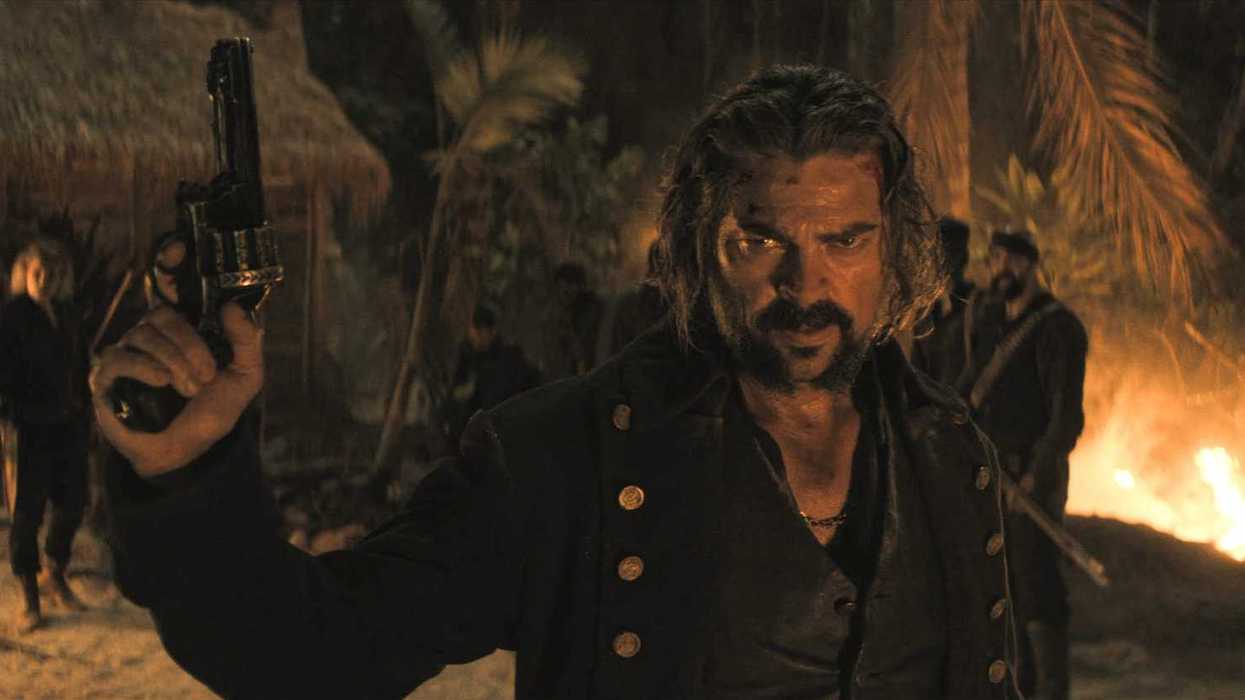
I began building the world through research. I looked at the structure and detailing of a captain’s coat, which became the foundation for Captain Connor’s costume. I researched what indentured labourers and sailors in the Caribbean islands would have worn, including their ‘Sunday best,’ because those details reveal so much about people’s lives. Piece by piece, those references helped me shape a world that felt authentic, grounded, and stylistically fresh.
NFS: What initially drew you to The Bluff, and what excited you most about stepping into the world of this film?
AM: What initially drew me to The Bluff was the script. Although I’ve designed for the Victorian period before, I had never created Caribbean townspeople within that world, and the opportunity to blend that authenticity with a pirate film was incredibly exciting. What thrilled me most was the chance to create a pirate aesthetic that felt different from anything audiences had seen before. We were not making a Disney movie. There was an opportunity to ground the characters in a richer, more textured reality. The icing on the cake was working with our director, who is from the Cayman Islands and whose grandfather was Jamaican. We immediately spoke the same creative language, and that shared cultural understanding shaped the vision from the very beginning.
NFS: The Bluff blends action, adventure, and period influences because it takes place in the Cayman Islands in the mid-1800s. How did you approach balancing historical authenticity with the heightened cinematic tone of the story?
AM: To balance historical authenticity with the heightened cinematic tone of The Bluff, I really leaned into my director’s vision for Connor and his men. He described them as having a tactical, menacing quality, and originally wanted them dressed entirely in black. My approach was to take that idea and build something more textured and dimensional for the screen.
Instead of flat black costumes, I designed layered looks using dark, weathered fabrics combined with metal details and beaded accessories, which created depth and movement, especially in the night scenes. I wanted the silhouettes to remain rooted in the period, but feel leaner, sharper, and more dangerous than the traditional pirate imagery audiences are used to seeing. That balance between authenticity and stylization helped create a world that felt grounded, but still cinematic and emotionally charged.
 'The Bluff' Credit: Amazon Prime
NFS: Can you talk about your collaboration with Frank E. Flowers, the director, and how the two of you developed the visual identity of the film together?
AM: From the very start, Frank E. Flowers and I connected through our shared Caribbean heritage. Our shared cultural understanding made the world of The Bluff feel immediately familiar and instinctive. The written words on the page felt almost like a cultural memory, transporting me back home and back in time. That connection created a creative shorthand between us that was incredibly powerful throughout the process.
What also made this collaboration especially meaningful was that, for the first time in a very long while, I was able to prep a film while physically sharing the same space with my director and fellow department heads. Frank’s office was just down the hall from mine, so the collaboration became fluid and immediate. I could walk in to show him a costume idea and get instant feedback, or he would suddenly appear in my office with a new visual reference he had discovered or a question inspired by another department. That constant exchange of ideas allowed us to organically shape the visual identity of the film together in a very collaborative and intuitive way.
NFS: What kind of research went into building the costumes for this project, particularly in terms of period details, fabrics, silhouettes, or cultural influences?
AM: My research for The Bluff drew from several different sources. Beyond the familiar Disney-inspired imagery online, there were surprisingly few visual references for pirates from that period. That changed when I discovered a book in the CAFTCAD library in Toronto containing black ink drawings created during someone’s travels in that era. Those illustrations became an invaluable starting point for shaping the visual world of the film.
My director also shared his own research and connected me with local historian Mr. Henry Mutoo, whose insight into Caymanian life was incredibly detailed and informative. His knowledge helped me weave authentic cultural elements into the costumes and better understand how people lived, dressed, and presented themselves during that time.
I truly lucked out when I realized that much of the original research material Frank, Henry, and I were referencing was housed at the Art Gallery of Ontario, and even more so when I discovered the curator was someone I knew. It became the perfect excuse to travel home to Toronto and gain access to the archive. Seeing the original photographs from the Caribbean Photo Archive was an extraordinary experience. Some images dated as far back as the 1830s. While there were no direct references to the Cayman Islands, there was a wealth of material from Jamaica, which provided enough context to accurately portray how people dressed during that period. It was an absolute goldmine of information.
NFS: Were there any specific characters whose costumes evolved significantly over the course of prep or production? Was Priyanka’s decided first and then everyone’s around that?
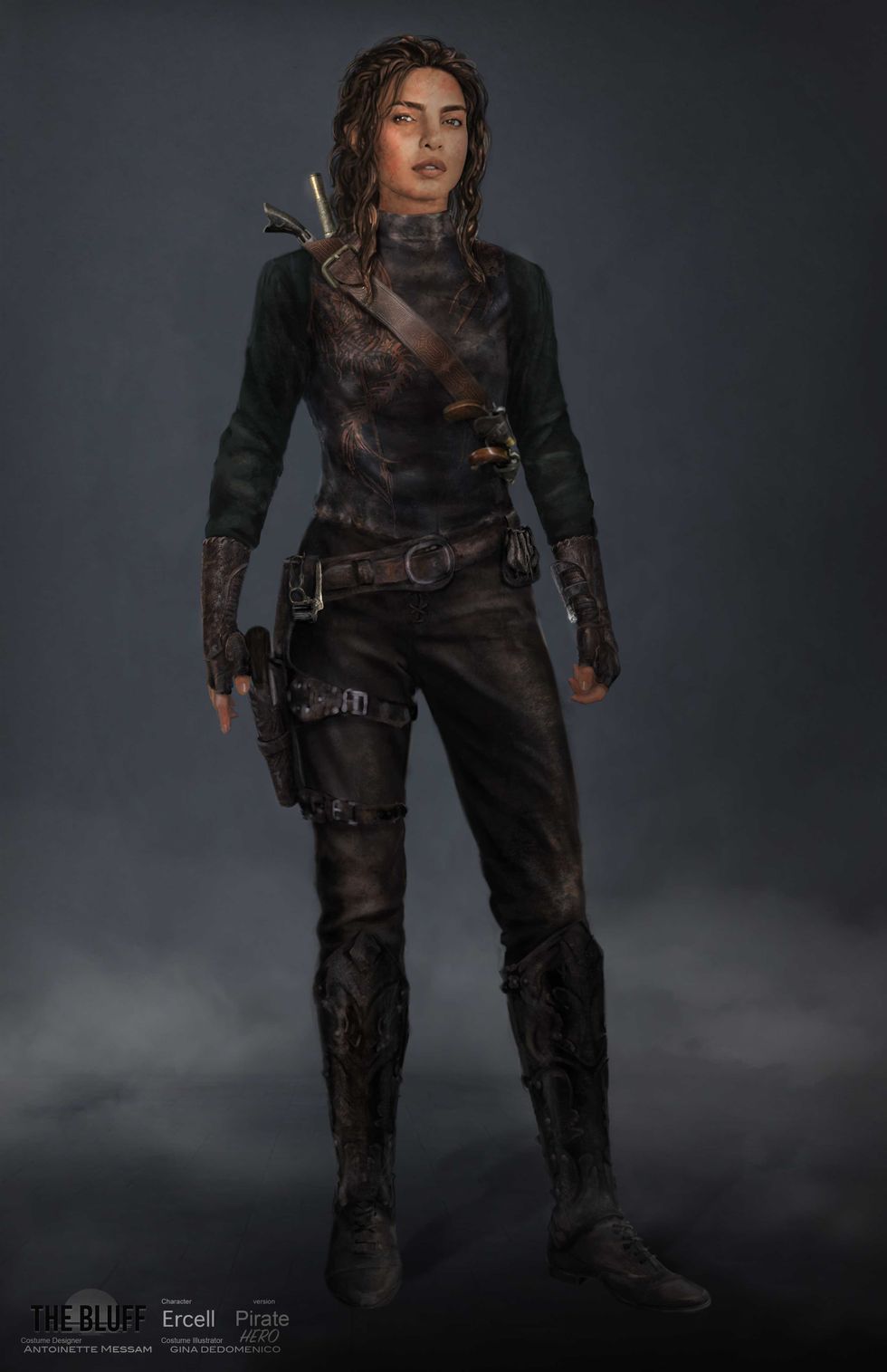
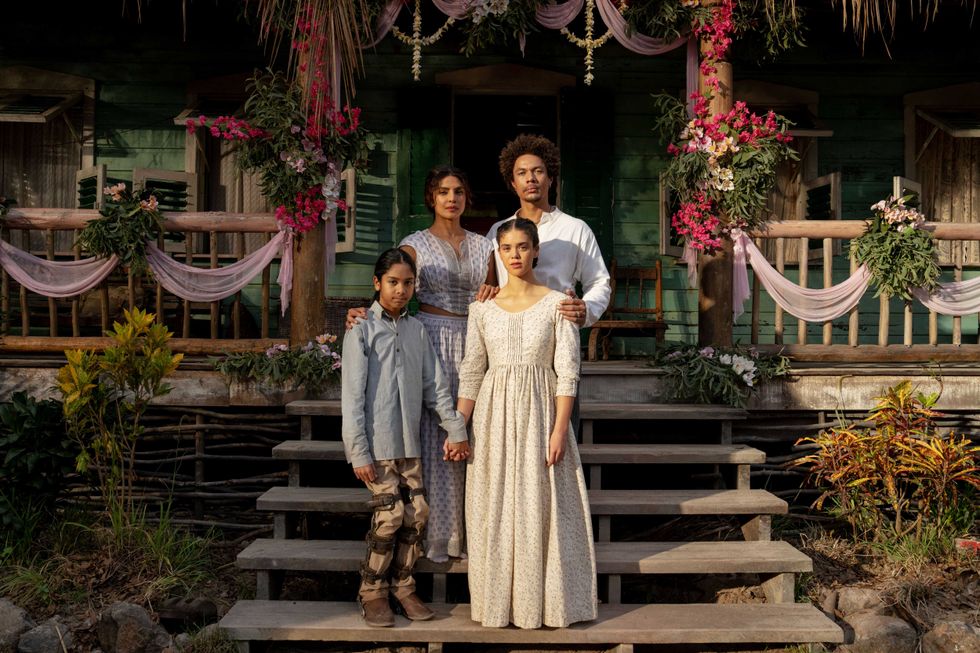
AM: I designed Priyanka’s character, Ercell, first. What seemed like it would be the easiest costume, I knew would actually be the hardest. She’s living in disguise and trying to blend naturally into island life, so everything had to feel real and effortless, even her Sunday best when she goes to the Brac to look out to sea, hoping to see her husband’s ship.
I worked on Connor and Bloody Mary next, since they came from the same world, along with Connor’s sailors. Those costumes established the darker palette and tactical edge for the pirates, which then helped shape the look of the soldiers. Ercell and Elizabeth’s costumes set the tone for the townspeople, while Connor and Bloody Mary defined the danger and tension in the film.
 'The Bluff' Credit: Amazon Prime
NFS: Action-heavy productions often come with practical challenges. What were some of the biggest logistical or technical considerations while designing costumes for The Bluff?
AM: One of the biggest challenges was the weather. The Bluff is set on a Caribbean island during the Victorian era, so the costumes had to feel authentic to a hot, humid climate. But we were actually filming during the Australian winter, which meant constantly balancing period accuracy with the cast’s comfort.
I had to find creative ways to keep the actors warm without affecting the silhouette or movement of the costumes. Even though many of the looks had long sleeves and layers, I used open necklines, rolled cuffs, and small glimpses of skin to maintain the feeling of heat and humidity on screen.
Behind the scenes, we built warmth into the costumes wherever we could, long underwear hidden under period pieces, fleece panels sewn into shirts, jackets, and vests, and even discreet pockets for hand warmers. It became a real exercise in problem-solving, but I’m proud that we were able to stay practical without losing the creativity or authenticity of the designs.
NFS: Were there any costumes or wardrobe pieces on The Bluff that proved especially difficult to create or source?
AM: One of the most difficult pieces to create was Bloody Mary’s cuirass. I had incredibly skilled craftspeople working on it, but the process was very time-consuming because each piece had to move through several departments. First, my cutter created the leather pattern, then it went to specialty leather makers, and finally to the art finishers for aging and detailing.
Because the process took so long, we were only able to make three versions: a hero piece for Priyanka, a battle-worn version for her, and one shared between the stunt performers. Not having as many as I felt we needed for the scale of the action was definitely stressful, but it also showed how much craftsmanship and detail went into every single one.
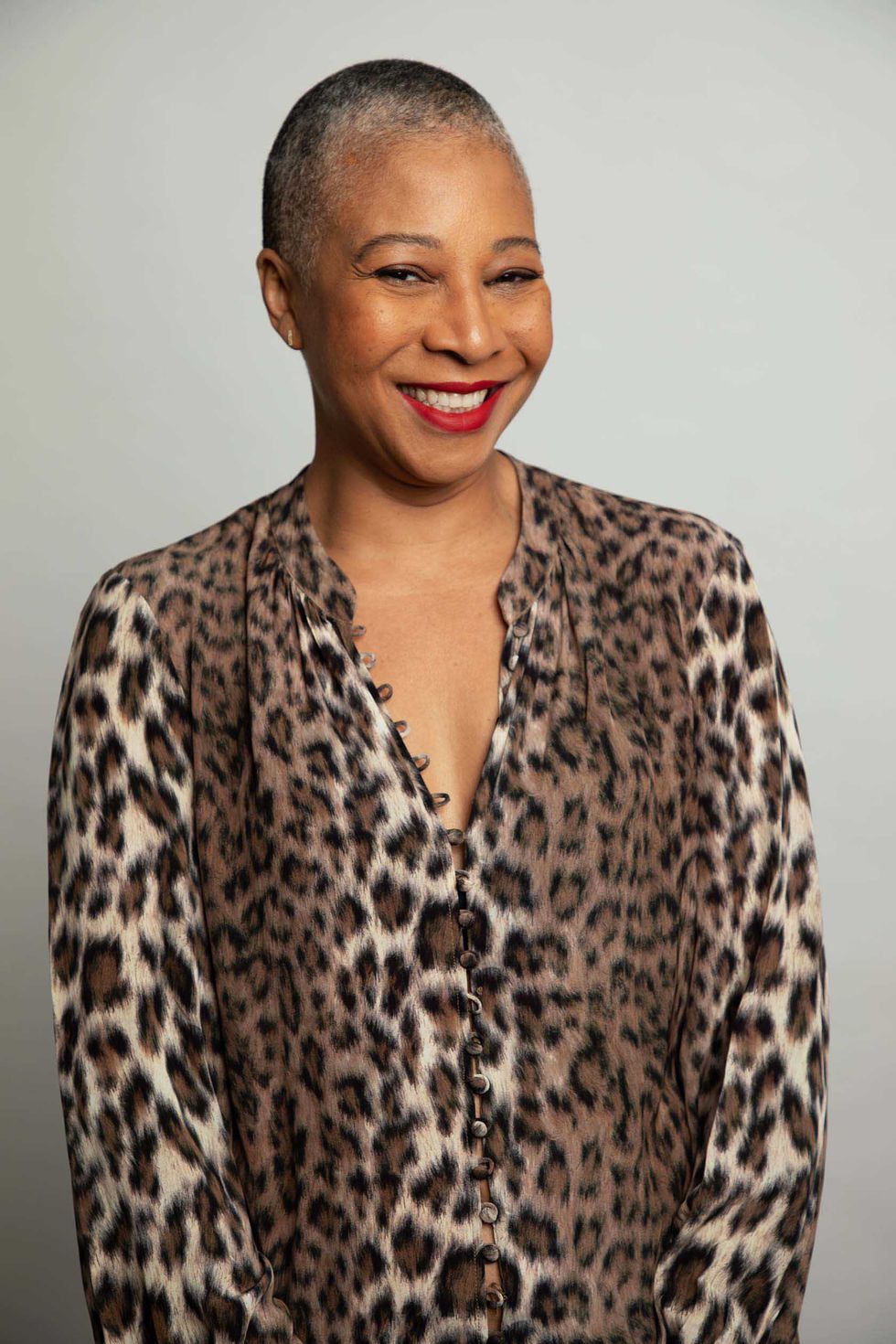 Antoinette MessamCredit: Impact24
NFS: Were there any references from classic adventure or period films that inspired your approach to The Bluff?
AM: The only real reference I used was actually my own film, The Harder They Fall. Frank wanted The Bluff to have a similar heightened style and strong visual identity to the western I designed. We wanted distinctive colour palettes, a sharper, edgier silhouette, and characters that felt bold and memorable. And of course, there had to be a little bit of sexy thrown in for good measure.
NFS: Looking back on the project now, is there a particular costume, scene, or design detail you are especially proud of?
AM: I absolutely love the look of the film, and I honestly don’t have just one favourite costume, I have two: Connor and Bloody Mary. I’m so thrilled with how those costumes came to life from the original concept art. They literally stepped off the page.
Both designs are larger than life, but what makes me most proud is that they still feel believable. The characters look like they’re wearing their own clothes, not costumes. That balance between heightened style and authenticity was really important to me, and I think we achieved it.