Pacing can simultaneously be any movie’s secret weapon, as well as its most potent inadequacy. You could be doing everything right at the most pristine level technically, but if you start to bore your audience with a 90-minute runtime, you’re in trouble. But you could also make 150-180 minutes feel like 90 if you do everything right.
Here are some of the best-paced movies of all time.
1. Star Wars: Episode IV - A New Hope
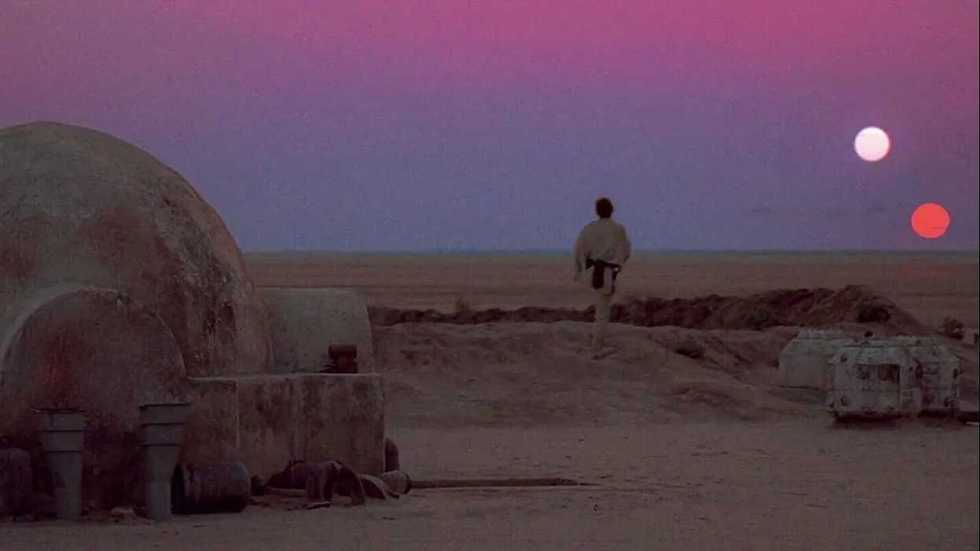
Before all of the episodic mumbo jumbo, there was just one film: Star Wars. Coming in at a pre-credit runtime of exactly 120 minutes, the film is a master of pace, because it’s firstly a master of structure. The original film perfected the length of a traditional hero's journey structure, and made sure that each beat of the formula took exactly as much time as it needed to be completed. So much so that to this day, the traditional length for blockbusters of this style remains close to the exact two-hour mark.
One could certainly make the argument that the film’s sequel, The Empire Strikes Back, somehow perfects its sense of pace even more than the original due to the expansions of the lore and technical prowess, but for the sake of the pacing of this article (see what I did there?), we’ll move on.
2. Raiders of the Lost Ark
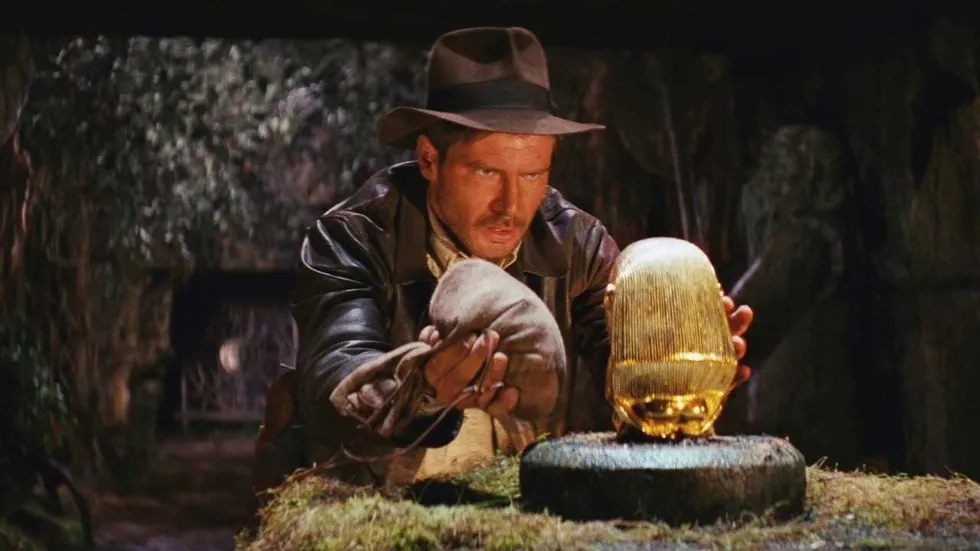 ‘Raiders of the Lost Ark’Credit: Walt Disney Studios
Another Lucas/Spielberg production, the first installment in the now iconic Indiana Jones franchise revolutionized film pacing in a bit of a different way.
The film follows a similar structure to the hero’s journey formula, except it bypasses the prologue and origin story-esque elements. Indiana Jones is already a seasoned archaeologist in the opening scene, making for one of the most iconic action scenes of all time right from the jump.
The film takes a break for a few minutes afterwards to actually set up the story, but once the brief exposition scene in Barnett College is complete, the film doesn’t stop moving. What’s even more impressive is that nothing feels rushed despite the film fading to its credits at 111 minutes, nearly 10 minutes quicker than the original Star Wars.
A major detail to the first three Indiana Jones films that often goes undiscussed when talking about their pacing is how episodic each one feels. None of those films behave like they’re focused on generating hype, or lore for a future movie. Their focus remains on the current project, and each film ends with a definable sense of finality that makes them each wholly satisfying.
3. The Dark Knight
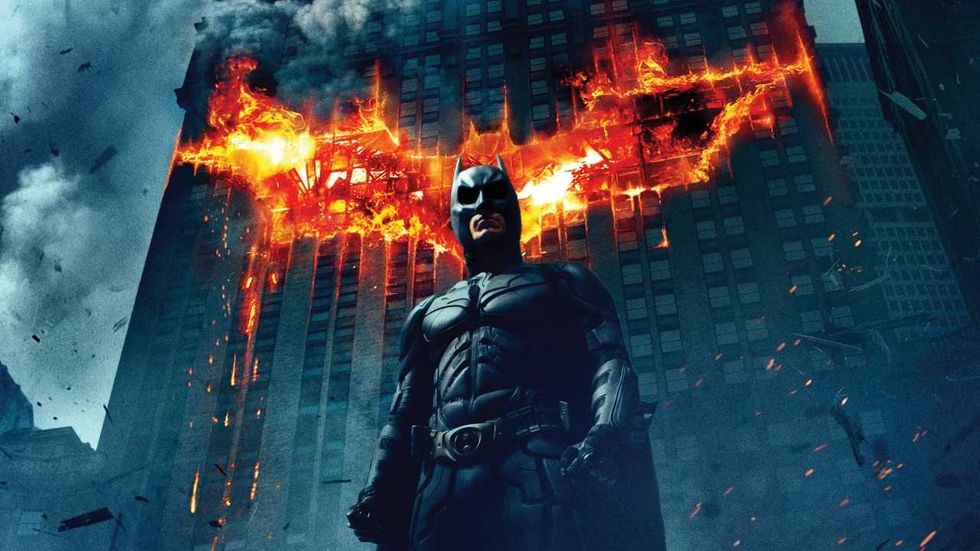 ‘The Dark Knight’Credit: Warner Bros. Pictures
Now we’re getting into the two and a half hour mark territory. Even if you’ve seen The Dark Knight a dozen times, it never feels like it lasts for more than an hour and a half, despite being over 60 minutes longer than that. Everyone talks about how much Heath Ledger’s performance as The Joker impacts this, and it does, but when you’re talking structurally about how this movie’s pacing works so well, his performance is really just the cherry on top.
Yes, The Joker is a menacing character, and Heath Ledger’s performance is one of the greatest of all time. No denying that. However, it’s the constant, never-ending threats that come from his character, even while in custody, that make this film so thrilling. Moreso, the stakes at hand almost always have some sort of ticking clock behind them.
Someone needs to be dead within thirty minutes, or a hospital will explode. The mayor will be assassinated at an upcoming parade. Two people are strapped to an oil drum, and only one can survive; you get the idea. These setups and payoffs are constant throughout the film. By the time you finally feel like you’ve collected yourself after a big, climactic moment, another one is already in full swing.
4. Toy Story
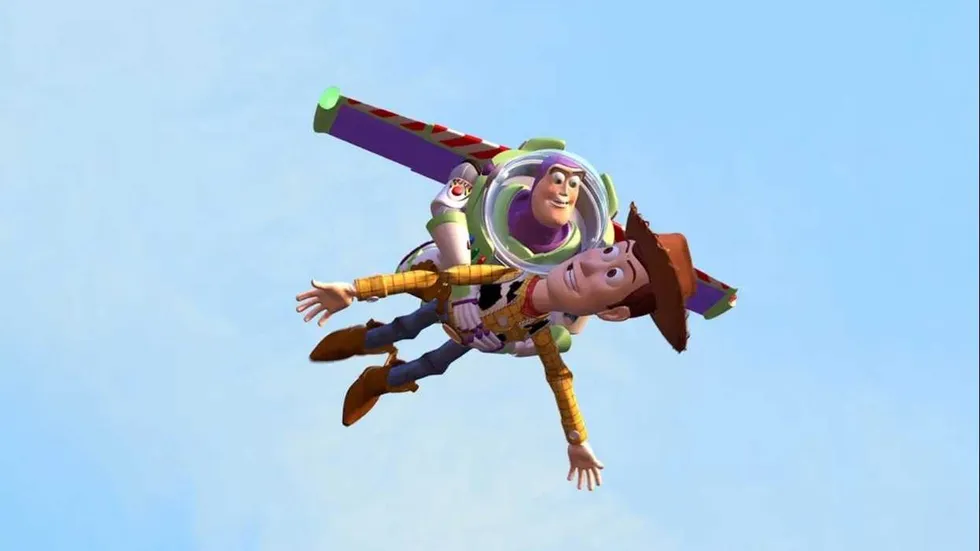 ‘Toy Story’Credit: Walt Disney Studios
The original Toy Story is a prime example of getting a lot done in a super short amount of time. At a shockingly short 81 minutes, the film covers more ground in both plot and thematics than most films can do in two hours. The vast majority of why the pacing of the film works overall comes down to various script tricks the film employs that I dissected recently in honor of the release of the fifth installment of the franchise. The energy, kineticism, and heart of the first film have since been replicated countless times, but rarely ever duplicated.
5. Pulp Fiction
 ‘Pulp Fiction’Credit: Miramax Pictures
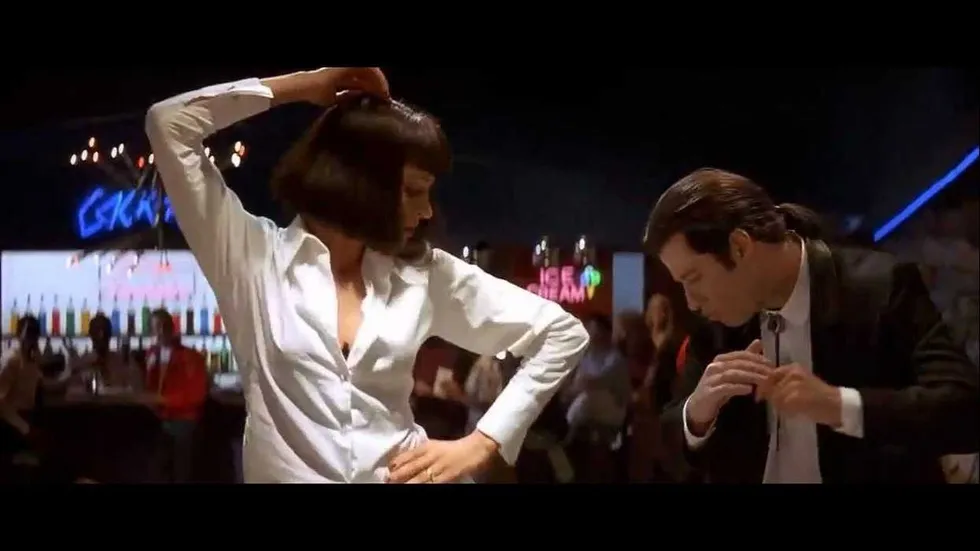
Quentin Tarantino’s sophomore feature, Pulp Fiction, has one of the most revolutionary screenplays and structures of all time. Many people have attempted over the years to re-edit the film into chronological order, out of curiosity, and all have come back with the same result: it’s awful.
The element of minor confusion that comes with experiencing the structure of Pulp Fiction for the first time is quickly evaporated on repeat viewings when you come to understand what other bits of information are being withheld from the audience instead of just time frames. Arcs are completed entirely out of order, characters die, then are seen revived in prequel sequences, and generally random chaos keeps occurring left and right. And it’s all meant to keep you on your toes for all two and a half hours. Even on repeat viewings, when you know all that’s coming, the dialogue is still so brilliant and magnetic that you can’t help but sink right back in.
Honorable Mentions
- 12 Angry Men
- Do the Right Thing
- Scream
- Jaws
- The Lord of the Rings: The Fellowship of the Ring
- Casino Royale (2006)