1977’s Star Wars (which later became known as Star Wars: Episode IV – A New Hope) is listed at No. 15 on the American Film Institute’s 100 Years… 100 Movies list, which tabulates the best films of all time. When the list was revised in 2008 for its 10th anniversary, the movie landed even higher, at No. 13.
However, none of the movie’s many sequels or spinoffs landed on either version of the list. While both lists were created before the debut of 2015’s The Force Awakens and beyond, at the time the second list was made, there were six theatrical Star Wars films in total. While it makes sense that the lesser-regarded prequels might not have carved out a space for themselves among the likes of Jaws, The Godfather, and Casablanca, it’s somewhat surprising that the much-ballyhooed 1980 sequel, The Empire Strikes Back, at the very least, didn’t land on the list alongside its predecessor.
It is generally received wisdom that the darker, bigger-budget sequel is an improvement on the original movie. However, by isolating the original Star Wars, the AFI has allowed it to shine. The movie has become something of an underdog in the franchise due to being a smaller-scale adventure than what is contained in the sprawling and beloved universe that it spawned. However, when taken on its own, it is still an undeniable masterpiece for many reasons.
Star Wars Wields Its Influences Well
One thing that is important to note is that Star Wars’ writer-director George Lucas was standing on the shoulders of giants when it came to crafting the narrative of his epic space opera. In addition to hewing closely to Joseph Campbell’s famous “Hero’s Journey” story structure, he drew many character elements and plot beats from Akira Kurosawa’s 1958 samurai movie The Hidden Fortress.
The visual and spiritual elements of Star Wars’ Jedi are also largely inspired by the samurai and specific elements of Japanese culture in general, from the sabers they wield to the clothes they wear to the way they respect and channel The Force, which is the energy that connects all living things in the universe.
It is also undeniable that many elements of Star Wars - particularly the desert planet Tatooine - bear a strong similarity to Frank Herbert’s seminal 1965 sci-fi novel Dune. There are many more direct influences at play in the original Star Wars, including classic film serials, but the fact of the matter is that Lucas combined all of these influences with new raw material to create a uniquely compelling mélange, the likes of which nobody had ever seen before on the big screen.
Star Wars Is a Fully-Formed Vision
While Star Wars may not be a truly, completely original concept, it nevertheless represents a holistic vision that is brought to the screen with aplomb. There is essentially no aspect of the movie that is not thought through.
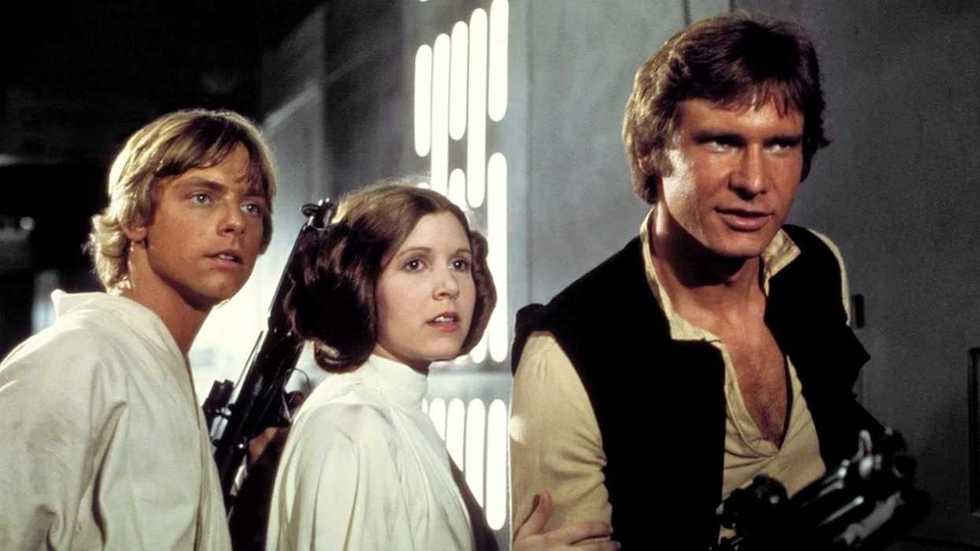
The design of the movie is impeccable, for one thing. Every color on-screen matters, from the way that the light saber of the Jedi master Obi-Wan Kenobi (Alec Guinness) is a calm blue as opposed to the angry red of the Sith lord Darth Vader’s (David Prowse on-screen, voiced by James Earl Jones) light saber, to the way that the beetle-black shell of Darth Vader’s costume contrasts vividly with the white Stormtroopers by which he is frequently surrounded.
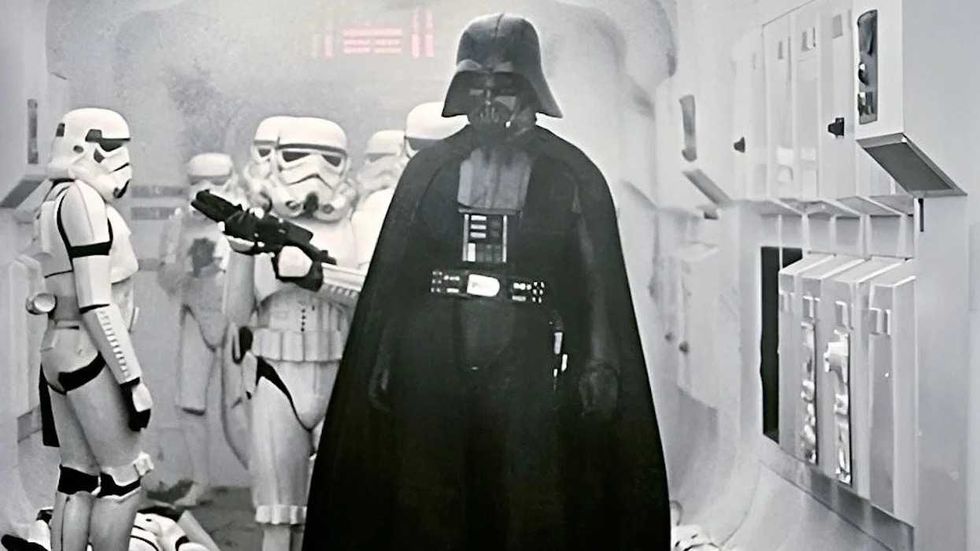 ‘Star Wars’ (1977)Credit: Twentieth Century-Fox
This extreme level of control over craft extends to the visual effects (which have aged considerably better than many of the digital effects used in the movie’s sequels and prequels over the years), the cinematography (which exalts in the sheer magnificence and scale of space, from the very first frame), the score (by a post-Jaws John Williams at the height of his powers), hair and makeup (Carrie Fisher’s cinnamon bun hair as Princess Leia, come on), and beyond.
There is a strong authorial voice emanating from all the craftspeople who worked on Star Wars, from top to bottom, and together they crafted an aesthetic that continues to be mimicked to this day, by projects both within the franchise and outside of it.
It’s the Little Details That Make Star Wars
With the big picture of the movie being so well taken care of by a team of extraordinary artists, even the tiniest details have been given attention in ways that allow them to truly pop. Take the opening crawl of Star Wars. Most movies that open with text would simply present the information in a paragraph or two, perhaps fiddling with the font to make it more futuristic. If there’s enough information that it can’t all fit in a single frame, they might scroll down.
Not Star Wars. That opening crawl is dynamic, with bold yellow letters moving across a pitch-dark starfield, receding into the distance. It’s off-kilter, immediately letting the audience know that they’re in for something new. But at the same time that the text introduces the universe in which the story takes place, it immerses them in it.
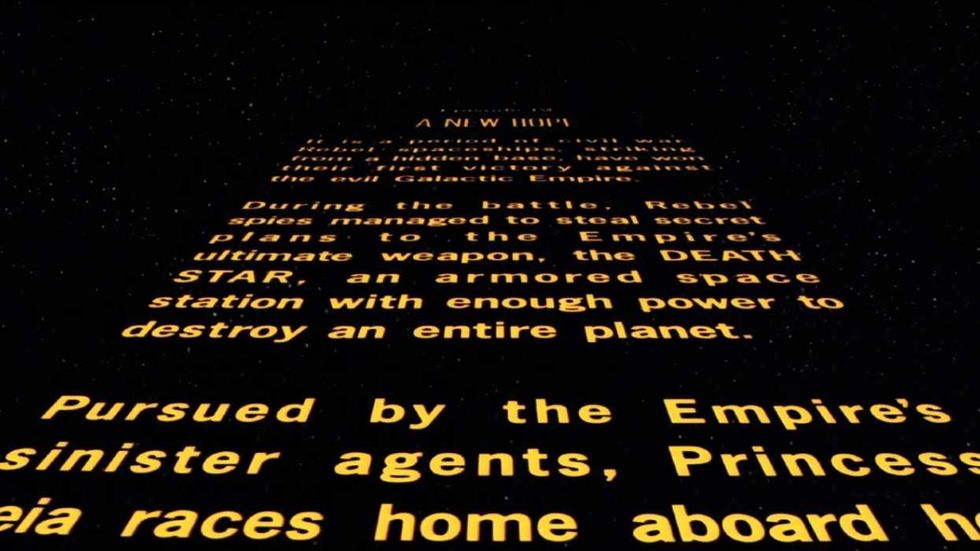 ‘Star Wars’ (1977)Credit: Twentieth Century-Fox
The text vanishes into the middle distance, highlighting the vast endlessness of space before the camera simply pans downward to begin the action. This reveal is extraordinary: while reading up on the context behind the story they’re about to watch, viewers have unknowingly already been in the middle of that story, plunged into the outer reaches of a galaxy far, far away.
Another key detail that differentiates Star Wars from the average sci-fi yarn is the fact that the technology that the characters use and the sets around them look burnished, beaten-up, and old. When production designers create a future world, they typically make everything look shiny and chrome and new, but Star Wars instead takes place in a shabby, hand-me-down world that feels genuinely lived-in.
This makes it feel even more immersive and realistic. The way everything looks makes it feel venerable and familiar to the characters, even as it presents an endless series of new sights and sounds to the audience.
Why Star Wars Still Matters
In addition to being a sci-fi masterpiece, Star Wars has continued to resonate through the ages by virtue of the way every aspect of it wormed its way into the hearts and minds of audiences of all stripes.
Mainstream viewers loved it, embracing both the movie (it grossed $775.4 million against its $11 million budget) and its merchandise. Critics loved it, giving it strong reviews that eventually led to it earning a Certified Fresh Rotten Tomatoes score of 94%. The industry at large loved it too, bestowing it with six Oscars out of 11 nominations, including Best Visual Effects, Best Original Score, and Best Costume Design.
All of this added up to Star Wars joining Jaws as one of the key progenitors of the modern blockbuster movie, leaving its mark on the world of entertainment for going on 50 years.
This, of course, includes the movie’s many sequels and spinoffs, which were not mentioned on the AFI list. However, they are mentioned - frequently - in the back catalogue of No Film School, where you can find articles on everything from Return of the Jedi to The Rise of Skywalker to the new 2026 release The Mandalorian and Grogu.
- 33 Billion Minutes of 'Star Wars': The Shows and Movies Fans Can’t Stop Watching ›
- How George Lucas Bet on Himself—and Won Big with 'Star Wars' ›
- The Making Of 'Star Wars' ›
- The 10 Best Star Wars TV Characters ›
- The Story Behind Han Solo’s “I Know” — and Why It Became a Star Wars Legend ›
- 9 Iconic Quotes From the Star Wars Franchise ›