Coming of Age (Again) in 'Never Change!' with Editor Whit Conway
When a legal loophole strips the class of 2008 of their diplomas, a group of 35-year-olds must face the high school realities of 2026 and reconcile their midlife wisdom with their buried teenage secrets.
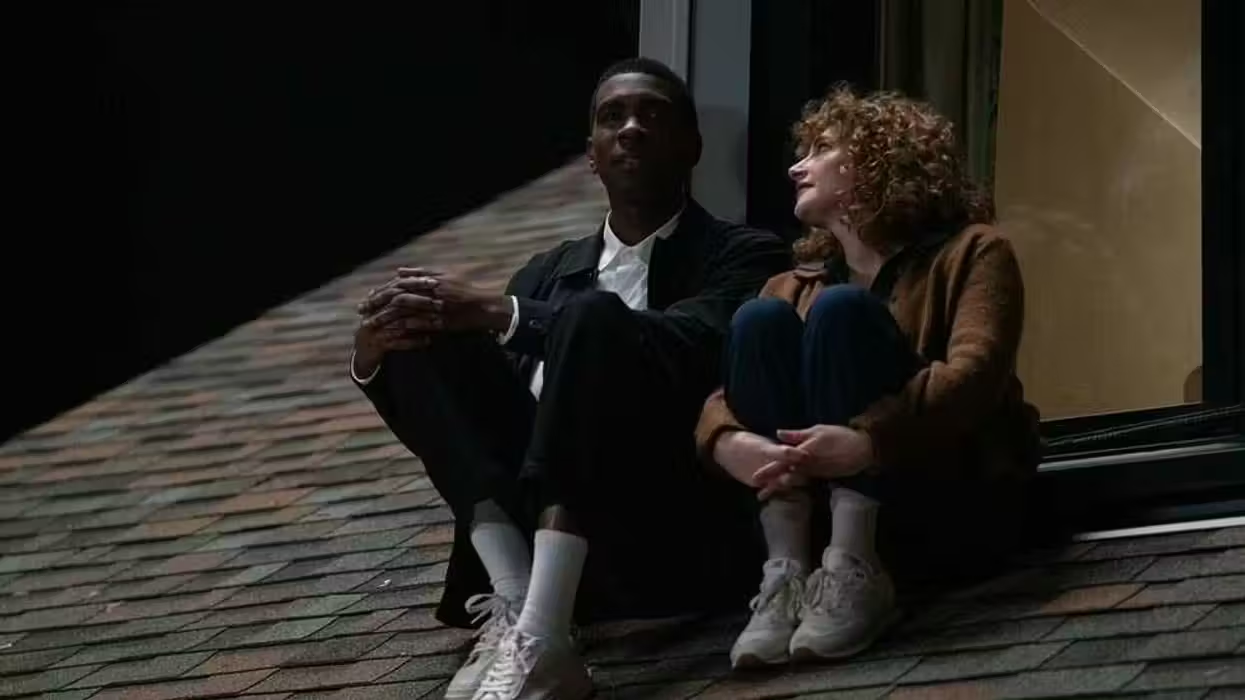
'Never Change!'
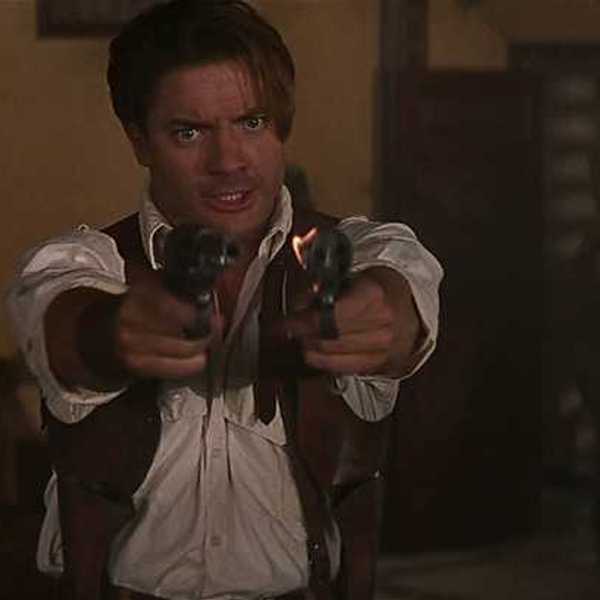
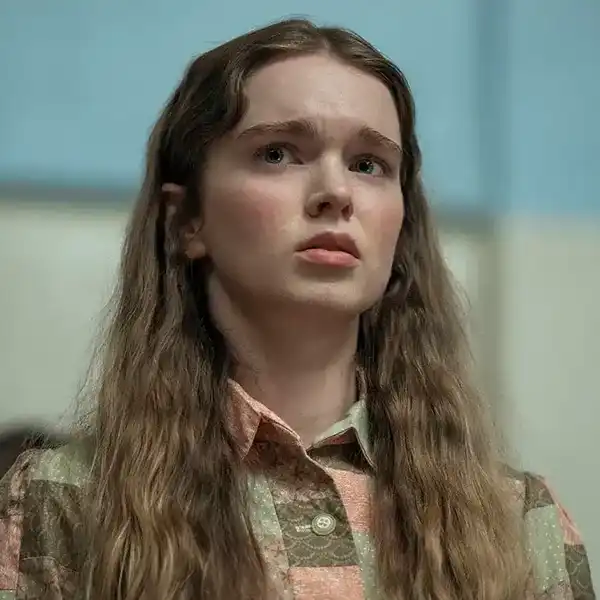
Never Change! brings together an all-star comedic cast featuring John Reynolds, Sofia Black-D'Elia, Carmen Christopher, Jo Firestone, and Gary Richardson in a coming-of-age (again) story centered on heart and homecoming.
Director Marty Schousboe entrusted his long-time collaborator Whit Conway to co-edit this project, sharing in their philosophy that comedy is most successful through iteration. However, Conway and Schousboe were working on a tighter timeline than usual, so they relied on Adobe Premiere to maintain the stringent organization of hundreds of sequences so they could edit in real-time through production, quickly experiment with different versions, and land on the funniest beats. On a tight schedule, tools like Speech to Text allowed the team to easily jump between takes, pick out the funniest moments, and shape scenes to drive home punchlines.
We chatted with Conway to learn more about the making of the film, premiering at the 2026 Tribeca Film Festival. Read on to see how he approached this comedic edit.
How did you first get involved with Never Change!?
Whit Conway: This was a project that came to me due to my close collaboration with the director, Marty Schousboe, whom I met co-editing three seasons of Adult Swim’s “Joe Pera Talks With You.” I wanted to work on this because I love collaborating with good friends, and there were a lot of friends involved in this project. It's also a robust comedy in a style that I haven't seen a lot in recent years—a lot of silliness, a sprinkle of stupidity, and a solid heart.
How do you begin a project/set up your workspace? Did you do anything differently when setting up your workflow for this project?
WC: Setting up this project took a lot of organization. Thankfully, we got to hire a fantastic assistant editor, Kristie Ferriso, whom I met years ago working on “Saturday Night Live.” On the show, we developed an organizational system that we were able to apply and adapt to this project. The workflow never really changes, just the scale of the project.
Kristie was the first line of defense as she received and sorted each day’s footage as production got underway. When we started to dig into the edit, we had so many sequences, different versions of them, hundreds of sound effects and music cues, and temp VFX passes that we had to meticulously organize to stay on track. We like to pre-organize each scene in a way that allows us to refer back and find things later very easily. This is especially helpful later when we're working through scenes with the film’s creators, Marty and John, and are auditioning take-swaps.
What conversations did you have with Marty and John to align on the creative vision for the project? What did collaboration look like throughout production and post?
WC: The director Marty also edited this film, so it's a huge collaboration as we went. We were in constant conversation, and for Never Change!, I started working as production started shooting. We decided that our goal right from the jump was to allow Marty and John Reynolds (writer/star) the opportunity to see everything on its feet as soon as possible. That meant that a week after they wrapped production, I was finished with my first assembly. So, our first convo was mainly, “TRY TO GO FAST.”
Getting a rough version of everything that was shot allowed us to identify some areas that needed more attention than others right off the bat, drop some things that didn't quite work during production, and prioritize from there. Through the edit, we set to-do lists and priorities each day of things that need to happen because we're backing into owed dates for cuts, so we just break it out into how productive we have to be each day. Eventually, it comes to Marty, John, and me just trying to go over and over through the movie as many times as we can before we have to put our pencils down.
Tell us about a favorite scene or moment from this project, and why it stands out to you.
WC: I have so many favorite moments from this movie. Mostly, they're the moments that I feel like I included in my initial cut that are very small—single lines from characters. Moments that I found so funny and thought they'd be cut, but that made it all the way through. There are also some really complicated sequences of story, comedy, and character development weaving in and out that I'm really proud of how we worked through. The main cast held the emotional heart of the movie while delivering comedic performances, leaving room for the supporting characters to come in and be hilarious as well.
What Adobe tools did you use on this project, and why did you choose them?
WC: We cut with Premiere, and I spent some time using After Effects. In Premiere, we did have Speech to Text run on all our takes so that we could search for performances as needed. I built pre-vis visual effects for our wonderful team of VFX artists run by Dylan Vandenberg of Vandivision in Los Angeles. Working on past projects together, Marty and I found that it’s helpful for us to spend a little time blocking and timing VFX out. That way, we can pass him something that's a more thought-out first pass of what we think is important about the comp, then he makes it look professional.
For this project, Roto Brush's advancement really impressed me and made it possible to create very quick and dirty VFX comps for us to prove if a concept is working, and allow us to revise and refine much more quickly. For my first assembly, I also had the first versions of those VFX done, and that would not have been possible without the current capabilities of After Effects.
What is your creative inspiration?
WC: Getting off the screens. I have been trying to allow myself to be bored lately and have found it quite fruitful for finding fuel for creativity, whether that's for writing, filmmaking, or animating. Getting out into the world and being with people, and doing surprising things—going with the flow and trying to find things out of my normal patterns—that's what most gets me inspired.
What advice do you have for aspiring filmmakers or content creators?
WC: Nobody knows your talents except you. Find people you work well with and make stuff together. Try to make and then fail as much as you can as long as you’re learning. Lastly, get started doing exactly what you want to be doing as soon as possible. Don't wait for anyone to grant you permission!