How to Write a Damaged Main Character (Without Clichés)
You can do a lot with a little backstory.
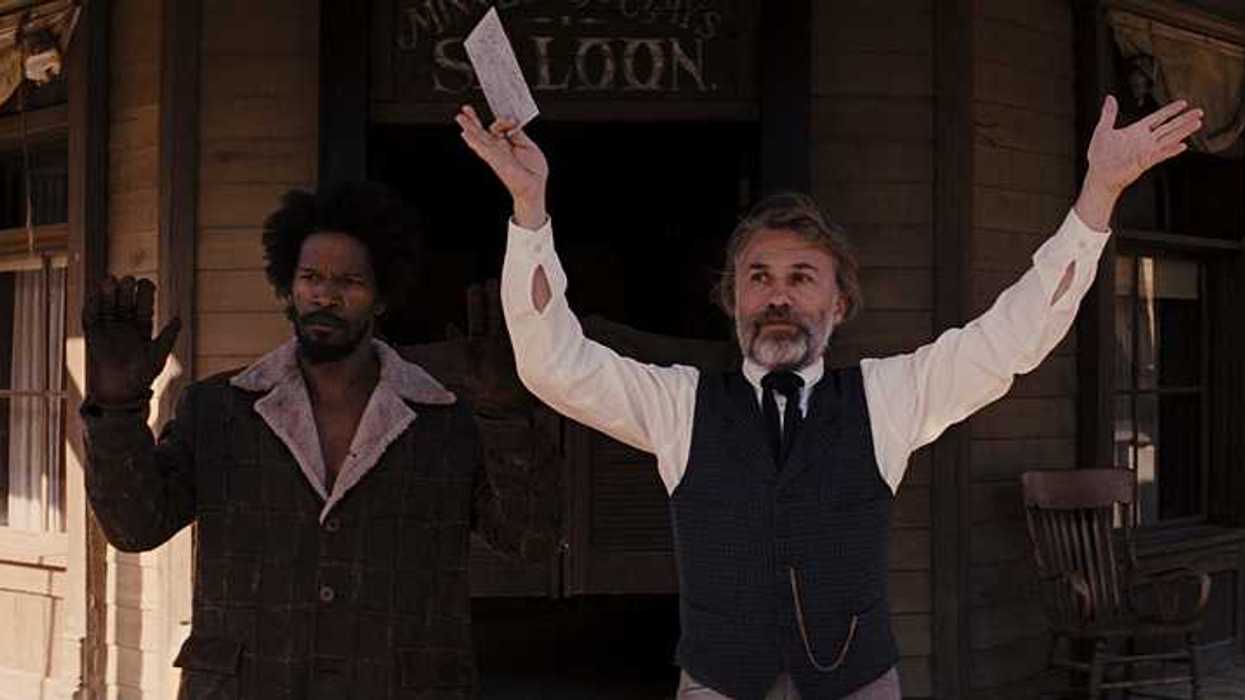
'Django Unchained'
We talk a lot on this site about having a character with a ghost, something in their past that haunts them, that you can make part of their character arc to get over.
You want this not because you NEED a damaged character, but because you want to have something that needs to be fixed in order for the audience to understand the journey at hand.
I came across this Film Courage interview where veteran screenwriter Ron Mita (S.W.A.T., 24 Hours to Live) broke down how to craft flawed, multi-dimensional characters who may have some damage, too.
Let's dive in.
- YouTube www.youtube.com
Embrace Flaws, But Keep Them Relatable
I like vidorsl ike this because they're not meant to be rules, but to jostle you out of your stasis and start to think of your characters as real people.
And real people have flaws.
That's why audiences naturally gravitate toward antiheroes. Flaws make characters human, and they can also give depth to your narrative.
Be careful when you're doing this, because many ideas have been done many times before. You want to focus on the new stuff you have to say.
The same goes for pushing boundaries.
Film and TV need buyers, so you can push all you want, but if you go to places that aren't commercial, you have to expect there to be a smaller market.
I know this is a lot to balance, so let's look at some strategies to help.
Layering Dimensions Beyond the Surface
Your character is not one thing; there are many things that make up a whole person. But this is a show, don't tell medium.
So how can you show who they are?
Give action-oriented characters surprising fears or unusual hobbies. Make them stand out among the crowd of similar people. Reveal these layers in the first 15 minutes of the screenplay to establish that you have a new voice right away.
Then, you can spend time with their ghosts.
Nuance in Characterization
We tend to think of these big things in grand, sweeping terms. But the best way to show a character is to give them some nuance.
That can change from female to male characters, so again, take each person you're drawing and do what's best for them. This is not a one-size-fits-all scenario.
Watch yourself when you lean into a cliché like a female character with excessive trauma or a damsel in distress waiting to be saved.
We've seen a lot of that. Be new.
Same with men as the buff action hero who can't get hurt or who failed to save someone else. We've seen it so much; what else do you have?
Screenwriting Checklist for Flawed Characters
When it comes to creating a character, I'd delve into this checklist ot see what it packs in the person you're putting on the page.
- Identify the Core Flaw: Is it a fear, a moral blind spot, or a history of disappointment?
- Test for Clichés: Does this specific background feel unique to this story, or is it a trope?
- Add Contrast: What is one trait or habit this character possesses that directly contradicts their character archetype?
- Balance the Narrative Arc: Is the character flawed enough to have a satisfying journey without becoming entirely unsympathetic?
Summing It All Up
These are simple strategies anyone can employ when writing. They can help you detail a damaged character and make them someone who is truly flawed, yet also whole and unique.
As storytellers, this is what makes our voices stand out and how we present our points of view to an audience. So do the work and stand out from the crowd.
Let me know what you think in the comments.