Darth Vader’s Few Minutes of Screen Time Defined Movie Villains Forever
Despite appearing for just 12 minutes in the original Star Wars, Darth Vader became cinema’s ultimate villain—here’s why.
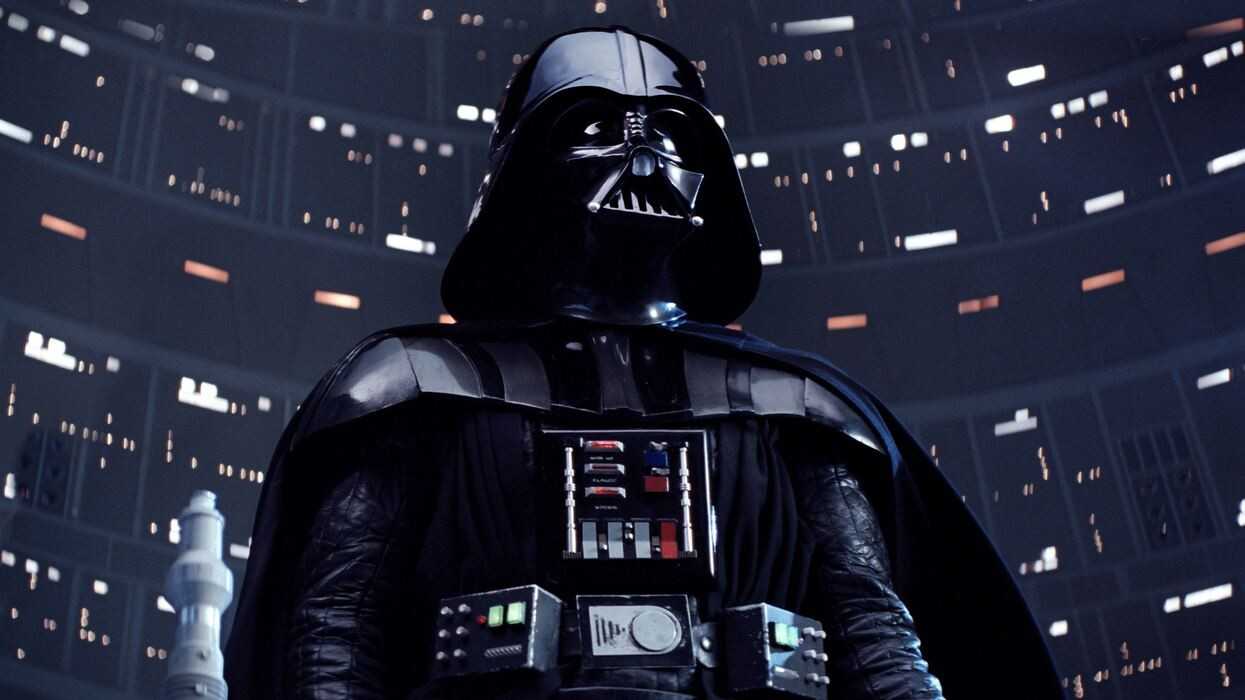
Darth Vader
Twelve minutes—that’s all it took for Darth Vader to become the most feared villain in cinema.
In Star Wars: A New Hope (1977), he’s on screen for less than the time it takes to microwave a frozen pizza, yet his presence dominates every frame of the film.
How does a character with such limited screen time end up shaping the entire galaxy far, far away?
The answer lies in the deliberate choices George Lucas and his collaborators made. Vader, instead of just appearing on screen, arrives like a force of nature. Each of his moments is carefully constructed to maximize his intimidation factor, ensuring that audiences leave the theater remembering every breath, every glare, and every line of dialogue.
What follows is a closer look at how those twelve minutes built an icon.
Breaking Down Vader’s 12 Minutes: Data-Driven Insight
Scene-by-Screen Time Analysis
Darth Vader’s screen time in A New Hope is spread across just a handful of key moments, but they’re masterfully placed. He first steps through the smoke-filled hallway of the Tantive IV, following the brutal massacre of Rebel troops. The sight of his towering frame, framed by the destruction around him, is enough to establish his power without a single word.
Later, he interrogates Princess Leia (Carrie Fisher), chokes an officer for “lack of faith,” and faces off against Obi-Wan Kenobi (Alec Guinness) in the Death Star duel that became legend.
Each appearance adds a new layer to his menace. The first scene shows his raw authority, the second his ruthlessness, the third his mystical power, and the final duel solidifies his role as a formidable force in the galaxy. By spacing these moments across the narrative, the film ensures that Vader is never overused, and every time he appears, the tension spikes.
The "Less Is More" Principle
Scarcity fuels fear. Unlike villains who dominate the screen for hours, Vader’s minimal presence makes him larger in the audience’s imagination. Compare him to Hannibal Lecter in The Silence of the Lambs (1991)—another villain with just around 16 minutes of screen time. Both characters become scarier because we never grow comfortable around them.
This strategy also contrasts with other Star Wars characters. Luke (Mark Hamill), Han (Harrison Ford), and Leia have plenty of screen time to show their personalities, flaws, and humanity. Vader remains a shadowy figure, his motivations unclear and his humanity buried beneath armor. That mystery is what makes him unforgettable.
The Elements That Made Vader Iconic—Deep Dive
Visual Design: A Silent Menace
Darth Vader’s design does most of the talking. His black armor, inspired by samurai helmets and WWII-era gas masks, projects instant authority and casts a foreboding shadow. The sweeping cape, angular mask, and emotionless eye lenses make him feel alien, untouchable. Audiences can’t read his face, which makes him even more unnerving.
The breathing effect, created by sound designer Ben Burtt, turns silence into a weapon. Even when Vader isn’t speaking, the rhythmic inhale-exhale tells you he’s there. That single sound cue has become shorthand for villainy across pop culture.
Sound & Music – The Voice of Terror
James Earl Jones’ voice elevated Vader to mythic status. His deep, deliberate cadence gives every line a weight that David Prowse’s physical performance alone could not achieve. Ben Burtt’s sound design is layered in the mechanical breathing, making Vader seem less like a man and more like a machine.
And then there’s John Williams’ music. While the “Imperial March” didn’t debut until The Empire Strikes Back (1980), its retroactive association with Vader adds an extra edge to his A New Hope scenes. The orchestral cues that punctuate his entrances and duels tell the audience that this is someone who changes the balance of the story the moment he steps on screen.
Strategic Dialogue: Few Words, Maximum Impact
Vader speaks sparingly, but his lines land like thunderclaps. “I find your lack of faith disturbing” remains one of the most chilling in cinema history because it’s delivered with total calm. He doesn’t waste words. That restraint makes him seem inhuman, a villain who doesn’t need to explain himself.
This minimalism in dialogue also allows other characters’ reactions to do the work. Officers squirm in fear. Rebels cower. Obi-Wan speaks about him in hushed tones. Vader’s reputation becomes larger than life because everyone around him treats him as an existential threat.
Psychological & Mythic Resonance: Why He Stuck in Our Minds
The Fear of the Unknown
In 1977, audiences knew nothing about Darth Vader’s origins. He was simply a faceless enforcer of evil, and that ambiguity fueled the fear. When you can’t see the man behind the mask, you start to imagine what horrors might be hiding there.
Archetypal Villainy: The Dark Father
Vader taps into timeless mythological archetypes. He’s the fallen knight, the corrupted hero, the looming father figure who represents absolute authority. These motifs resonate on a subconscious level, making him feel both alien and familiar.
Contrast with Other Characters
Vader’s stillness is what makes him so unnerving. While Rebel soldiers scramble and sweat, he glides through corridors with measured steps. Even Grand Moff Tarkin (Peter Cushing), who technically outranks him, speaks to Vader with a cautious respect. This quiet dominance sets him apart from everyone else on screen.
Behind the Scenes: How Lucas & Team Crafted a Legend
Editing & Pacing: When to Show (and Hide) Him
Editor Paul Hirsch once said that cutting away from Vader at the right moments was crucial to maintaining his mystique. Reaction shots, pauses, and carefully timed entrances all build anticipation. By not oversaturating the film with his presence, Lucas ensured that Vader would loom large in the audience’s imagination.
Actor Choices: David Prowse, Jones, and the Illusion
Darth Vader was a team effort. David Prowse’s imposing physicality gave the character his silhouette, while James Earl Jones’ voice gave him gravitas. The split performance allowed for a layered portrayal that felt bigger than one actor. Even Sebastian Shaw’s unmasking in Return of the Jedi (1983) contributed to this multifaceted illusion.
Legacy & Influence: Beyond 12 Minutes
How Sequels & Prequels Expanded (But Didn’t Dilute) His Myth
Later films gave us more of Vader—his tragic fall in the prequels, his redemption in Return of the Jedi, and his unforgettable hallway rampage in Rogue One: A Star Wars Story (2016).
These appearances deepened his story but never robbed him of the mystique he built in those initial twelve minutes.
The Merchandising & Cultural Domination
Darth Vader didn’t stay confined to the movies. He became a cultural juggernaut, plastered on lunchboxes, action figures, comic books, and video games. This omnipresence only reinforced his status as the face of Star Wars itself.
The Lesson for Storytellers
Darth Vader’s twelve minutes in A New Hope prove that a character’s impact isn’t measured in screen time, but in how that time is used. Each one of his entrances was timed, every sound effect purposeful, and every line of dialogue razor-sharp. That’s why he’s still the benchmark for cinematic villains nearly five decades later.
For writers and filmmakers, the takeaway is clear: you don’t need to flood the screen to make your characters unforgettable. What matters is presence.
So who’s your favorite short-but-mighty villain? Drop your thoughts below—we’re curious to see which icons stole the show in just a handful of scenes.