The David Lynch Directing Secret Every Filmmaker Needs to Hear
When things go wrong, don't yell for the scene to end. Roll with it.
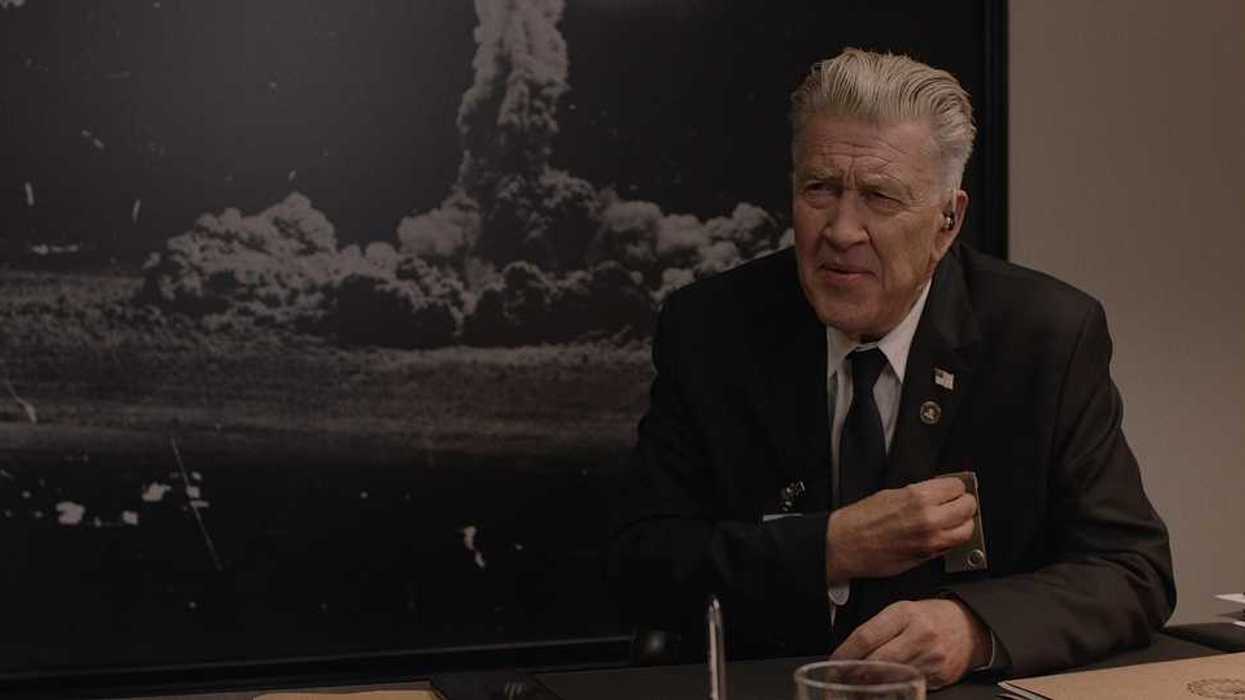
'Twin Peaks' Season Three
Look, it's pretty hard to be a young director. You have so many things to learn, but you also know your entire career rests on your work being good.
It can feel like a no-win situation.
Couple that with having to have control of the set and the actors, and that's a lot of pressure to be constantly working under.
That's why I found this anecdote from actor Grace Zabriskie with David Lynch to be so poignant. In this fantastic little clip from the Criterion Collection, she shares the single most important lesson she learned from working with Lynch—and it’s a game-changer for any of us who get too stuck in our own heads.
Let's dive in.
- YouTube www.youtube.com
The Trap of the "Perfect" Vision
As filmmakers, we live and die by our prep. You'll spend months on storyboards, shot lists, and lookbooks to make sure things run smoothly.
But according to Zabriskie, this is where we actually fail. We walk onto a set and "only have in your mind what you wanted to see or what you had imagined" when reality doesn't match that perfect vision.
In fact, reality will NEVER match that vision.
She points out that younger directors see every deviation as a problem to be fixed when they should be more like David Lynch.
The Lynch Method
In this conversation with David Lynch, Zabriskie explains that he does the exact opposite. He "can walk in and see just what's there. In fact, he has the unique ability to look at the "mistakes" and see opportunities.
She gives perfect examples:
- A flickering light: Most of us would yell at the G&E department. Lynch says, "No, don't fix that. This is how I want it".
- "Crap left on the table": The set dresser is about to run in and clean it. Lynch says, "No, leave it".
This isn't just about being quirky. It's about being present. It's about understanding that your job as a director isn't just to execute a plan, but to curate reality for everyone on set and then watching at home.
When you're only focused on your pre-visualized movie, you're blind to the "many beautiful surprises" that life, your actors, and your location are handing you for free.
Summing It All Up
So, what's the takeaway for your next project? You should still do all the prep and storyboard, but I think the real lesson here is one of flexibility.
The next time something "goes wrong," don't automatically yell "cut."
Take a breath. Look at what's in front of you. Ask yourself the Lynch question: "What can I do with this?"
You might just find that the mistake is better than anything you could have ever planned.
Let me know what you think in the comments.
- How a Filmmaker Cracked Open David Lynch's Mind ›
- How Do You Define 'Lynchian'?: An Exploration of David Lynch's Cinematic Style ›
- Here Are David Lynch's Simple Tips for Writing Screenplays ›
- David Lynch Breaks Down the Habits of Creative People ›
- Why Is David Lynch the Way He Is? ›
- 9 Times Iconic Movies Cleverly Dodged the Censor Board ›
- David Lynch Turned Down a Call from Stanley Kubrick ›
- Every Film and Show Kyle MacLachlan Made With David Lynch, Ranked | No Film School ›