Director Joseph Kahn Thinks Hollywood Needs Real Capitalism
The Bodied and Ick director takes to X to dismantle the current state of streaming, studio monopolies, and why the industry is "setting money on fire."
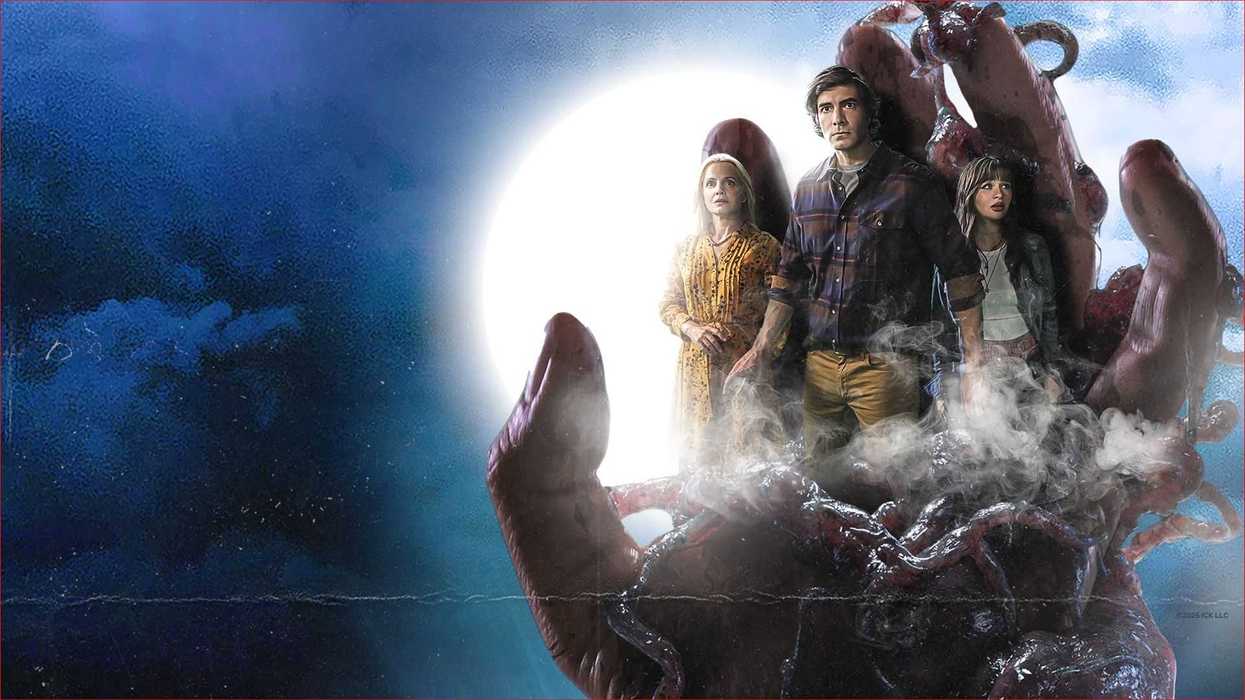
'Ick'
Joseph Kahn has always been a firebrand in Hollywood. He burst onto the scene with some epic Taylor Swift music videos and visually fun films like Torque, Detention, and his recent movie Ick.
I think he's one of the best follows on Twitter because Kahn has never been one to shy away from a hot take, and his latest post is a deep dive into the very economic engine of Hollywood that I thought was really insightful.
In it, Kahn argues that the current state of the film industry isn't "capitalism" at all. Instead, he suggests we are living through an era of monopolies that stifle true competition and art itself.
He thinks we need a good dose of capitalism to shake things up.
Let's dive in.
The "Streaming vs. Capitalism" Debate
Kahn’s argument boils down to a critique of how the industry has shifted away from the theatrical model to a streaming model obsessed with keeping viewers and getting new subscribers.
Back in the day, before streaming, success was theoretically determined by the audience voting with their wallets. If there was a good movie out that everyone loved, they paid to go see it.
That's not what happens now.
In the current landscape, where a handful of tech giants and mega-studios own the distribution pipelines known as streamers, the incentive shifts. Kahn argues it’s no longer about making a profitable movie; it’s about retention, stock prices, and ecosystem dominance.
They don't need good movies; they just need a lot of content to keep those things going well.
This leads to what many in the comments are calling "delusional wishcasting" on one side, and a "coherent argument against unregulated capitalism" on the other.
But I think this makes a lot of sense.
Now, I do think streamers would prefer if what they made was good, that would totally help them with all those things, but I do think Kahn is onto something, in that it's not as important as just having stuff for people to watch.
What matters more now are movie stars or, at least, clickable faces, not if anything is good, just that it has someone recognizable in it, and it gets a click to keep people on the app.
Why This Matters for Filmmakers
Whether you agree with Kahn’s definition of capitalism or not, his diagnosis of the symptoms hits home for filmmakers in the current climate.
Here's some stuff we're seeing that feels like it's a direct result of all of this stuff.
- The Loss of the Mid-Budget Movie: As studios consolidate, they focus on four-quadrant IP to feed the stock market. This leaves the mid-budget original films with nowhere to go but the "content farm" of streaming. Where they might not be wanted unless they can attract stars.
- The Gatekeeper: In a monopoly, you don't answer to the audience; you answer to the algorithm. If "real capitalism" means the market decides, then the current system is a command economy run by data centers. They just want people staying on the apps and clicking.
- The "Content" Trap: Kahn highlights the shift from cinema to content. When the goal is just to keep subscribers from canceling, "good" is less important than "new" and "plentiful."
Summing It All Up
I'm not sure how we change Hollywood, but I think this dissection is at least a pretty good one. Streamers can load their sites with lots of good old movies, but when it comes to new stuff, it feels like they just care about new, not about the quality.
Sometimes they get lucky and make something good, but often they just care that you stuck around long enough to watch and stick around longer for the next one.
Let me know what you think in the comments.