The Do's and Don'ts of Including a Pet Death in Your Movie
How to handle pet death on screen without alienating your audience—or undermining your story.
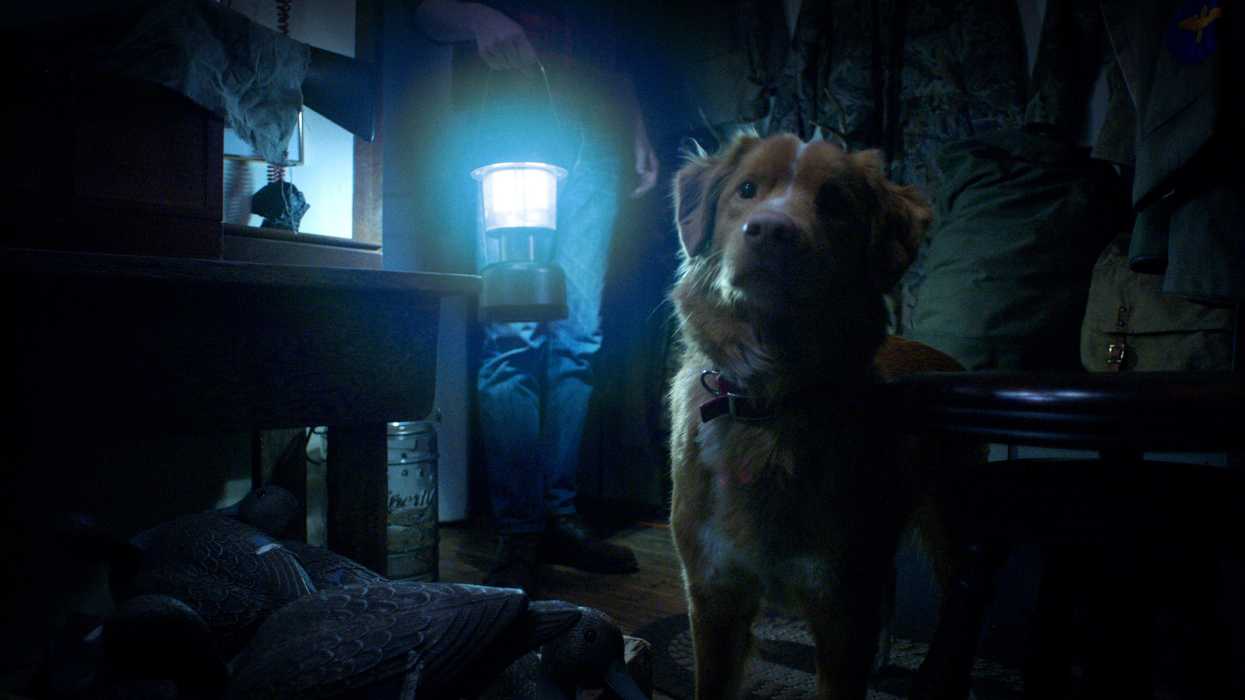
Good Boy
I met Indy the Dog from Good Boy at SXSW, and on a social media post I made featuring his adorable little face, I received dozens of comments from fans worried about whether he would make it through the film.
And I get it. He's adorable, and he also happens to be the main character of a horror film. There's reason for concern. Indy is the reason why a site like Does the Dog Die exists, and people are already very stressed out on his behalf. Pets in film are usually innocent bystanders to their families' mishaps. They're very easy to root for.
If you feel the need to include a pet death in your film (you monster), here's what you should consider before writing that devastating scene.
- YouTube www.youtube.com
Do: Have the Death Serve the Plot
What are some good examples of pet deaths that serve the plot? Obvious choices include Pet Sematary (it's necessary and Church comes back), The Thing (everyone's a victim here), and John Wick.
In the case of Wick, director Chad Stahelski discussed with The Hollywood Reporter that killing the puppy was contentious during production, with producers worried it would alienate audiences.
However, the death of Daisy, a final gift from Wick's late wife, serves as the catalyst for the entire franchise.
As SlashFilm writes, the death works because it grounds Wick's character in "unabashedly tender love" that makes his subsequent violence feel justified rather than gratuitous. It's like his "Save the Cat" moment except... well, he doesn't save the cat.
If the pet's death doesn't drive your narrative or reveal something essential about your characters, you probably don't need it.
Don't: Use It as a Shortcut
By including a pet, you've already got an easy path to empathy, as we've established. You get instant buy-in from most audiences who care very deeply about an animal's welfare.
So don't squander it!
Collider's recent post points out that killing an animal gives filmmakers a shortcut to grief without doing the harder work of developing human characters or building atmosphere. Or it's used for pure shock and emotional manipulation. I'm thinking of examples like Urban Legend or Fatal Attraction.
Your script shouldn't use a pet death as shorthand for development when you could be writing character arcs instead.
In horror, animal deaths get a little more leeway as those moments are meant to evoke big emotions. Cujo is the antagonist in a creature feature; in The Ring, horses are impacted by Samara's power and the deaths are meant to surprise.
In the series The Haunting of Hill House, the loss of a litter of kittens skirts the edge of what's acceptable, as it's pretty disturbing, but it impacts how young Shirley learns to deal with death.
But as ScreenRant notes in their list of overused horror tropes, the killing of animals can be lazy plot device that often ruins the viewing experience. Tread carefully.
- YouTube www.youtube.com
Do: Consider Keeping It Off-Screen
Again, John Wick is one of the best examples. Stahelski discussed in the film's audio commentary that they shot the scene with restraint. The death happens off-camera, with only a blood trail visible afterward to show Daisy trying to crawl to John. (Oof.)
This approach is more effective than graphic, gratuitous violence would have been.
Horror podcast Beyond the Void points out that when pet deaths are integral to the story rather than just thrown in for shock value, even an off-screen death is still disturbing. So you're not losing the impact.
Do: Use CGI and Practical Alternatives
As Deadline reports, when John Wick filmed Daisy's death, Keanu Reeves acted with a stuffed dog, and the death itself happened off-camera.
In Good Boy, the team had a stuffed toy version of Indy they called "Findy" for any of the dangerous moments, meaning those effects were practical and not CGI.
American Humane guidelines strongly encourage the use of CGI, animatronics, or fake animal doubles to minimize risk when depicting dangerous animal actions.
Never put a real animal in harm's way.
Don't: Forget About Animal Welfare Laws
Productions must follow American Humane's Society's Guidelines for the Safe Use of Animals in Filmed Media, which cover everything from housing and veterinary care to specific protocols for stunts.
The Animal Welfare Act also regulates exhibitors who provide animals to film productions. Violating these standards can result in losing the "No Animals Were Harmed" certification and potentially facing legal consequences.
Do: Understand What You're Asking of Your Audience
A 2013 sociological study found that people had more sympathy for battered adult dogs and puppies than they did for battered adults.
As we've said, animals represent innocence and unconditional love in ways that make their deaths especially difficult to watch. When Reeves fought to keep Daisy's death in John Wick, he understood the film needed to be unapologetic about crossing that line.
Stahelski told Deadline, "For the next couple of weeks, it was suggested that we shoot an alternative ending revealing that the puppy actually isn't dead. But Keanu stood up for us."
Just make sure your story justifies asking that much of your viewers.