Okay, we know it’s practically a joke by now that directors have their whole thing about, “You’ve got a camera in your pocket! Your phone is high-quality!”
It's something directors have told us many times. With good reason. It's motivating to tell an aspiring filmmaker that you can get pretty good footage on an iPhone. Maybe even add a little gear to make it look even more cinematic. So go out and make something!
But it’s worth remembering that even before iPhone cameras were as crisp as they are now, filmmakers were picking up the early DSLRs and making what would eventually become beloved or cult films. And the cameras were, by today’s standards, not that good. Today, entry-level cameras shoot 10-bit, open-gate, log. The options are like a whole new universe.
What really mattered back when all they had was 8-bit were the stories and the performances, and that still holds true. You can have a really great cinema camera and still make a bad movie.
We thought we’d take a journey down DSLR memory lane with the help of a recent Anthony Aguiar video, which looks at four films made on cheap cameras. Yes, cheap gear works. But story is king, supported by stellar DP work from Rachel Morrison, John Guleserian, Sam Levy, and Nic Sadler.
Check out the full video below, then get into the lessons.
- YouTube www.youtube.com
Pick the Camera for Your Story
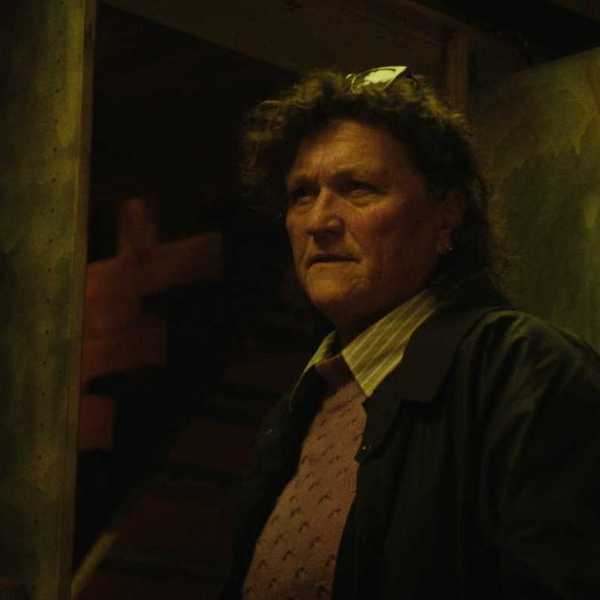
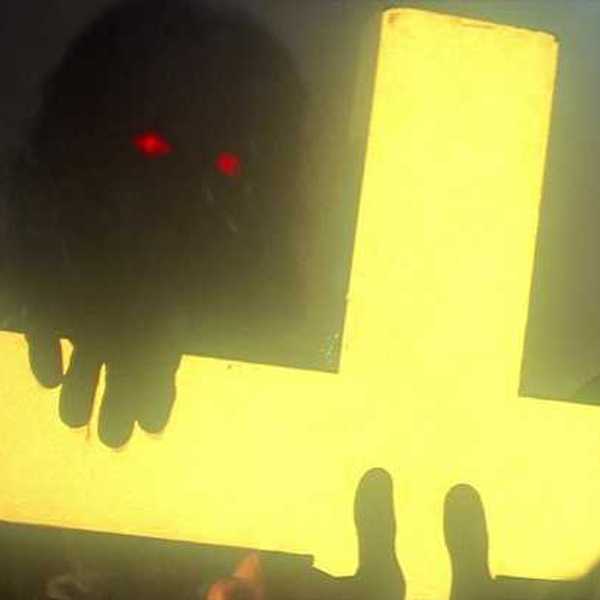
Cult drama Sound of My Voice was directed by Zal Batmanglij and DP’d by Rachel Morrison. They shot it on the Canon 7D. The film was made for a little over $100K and picked up out of Sundance. It stars one of my favorite indie stars, Brit Marling.
The 7D was portable and lightweight. Morrison could shoot inside real spaces (including an actual airplane) instead of building sets.
Morrison later went on to shoot Black Panther and Mudbound. She became the first woman ever nominated for an Academy Award for cinematography.
She told LAist, “I think Sound of My Voice was the first film where suddenly I could point to something I had done that I was proud of and say, ‘Look at this piece of work.’ And that's probably what led to Fruitvale Station, which was the real break."
Even if you have access to the nicest camera, it might not make sense for the story you’re trying to tell or the location you want to access. If you need to move fast and light (say, if you’re running and gunning), a smaller camera with less firepower will probably suit you fine.
Modify the Tool to Fit Your Ecosystem
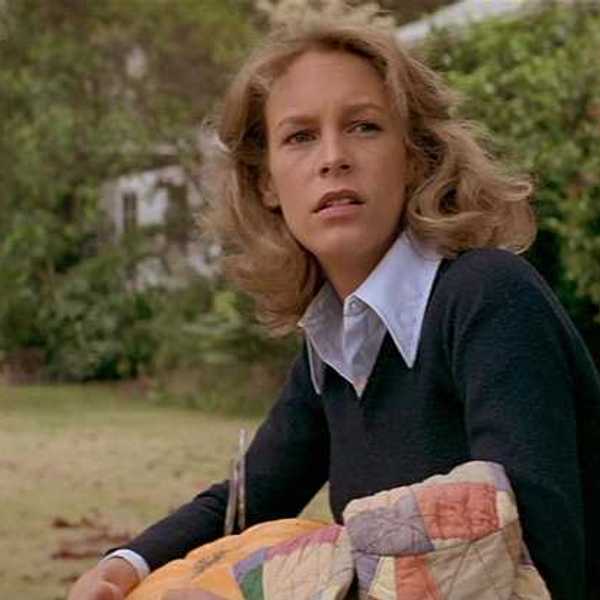
The second film is a similar tale. Like Crazy was directed by Drake Doremus, with John Guleserian as DP and Anton Yelchin and Felicity Jones in the lead roles. It sold to Paramount out of Sundance for $4 million.
On this project, Guleserian's 7D was modified by HotRod Cameras to take PL-mount cinema lenses, which made it a rig purpose-built for improv, according to Doremus (speaking to The Wrap).
At the time, The Wrap called the camera “a still camera.” But it let them keep a very small crew and capture intimate, improvised moments. Guleserian shot 32mm and above because the sensor didn't hold detail in the wide.
“It takes videos, and we built a rig—our incredible DP built a special rig, put cinema lenses on,” Doremus told The Wrape.
The DP told HD Magazine, “A lot of people can figure it out right away, [but] ... most people have no idea what it was shot on or care. Storytelling isn’t about resolution or compression.”
The rig should serve the team you want.
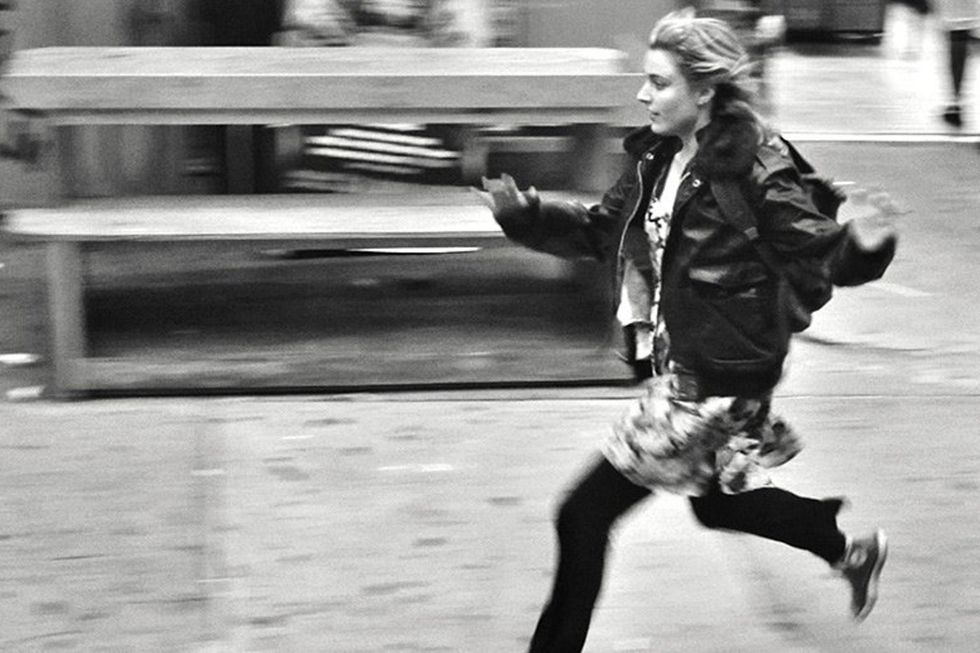 'Frances Ha' CREDIT: Pine District Pictures
Frances Ha Fit in a Backpack
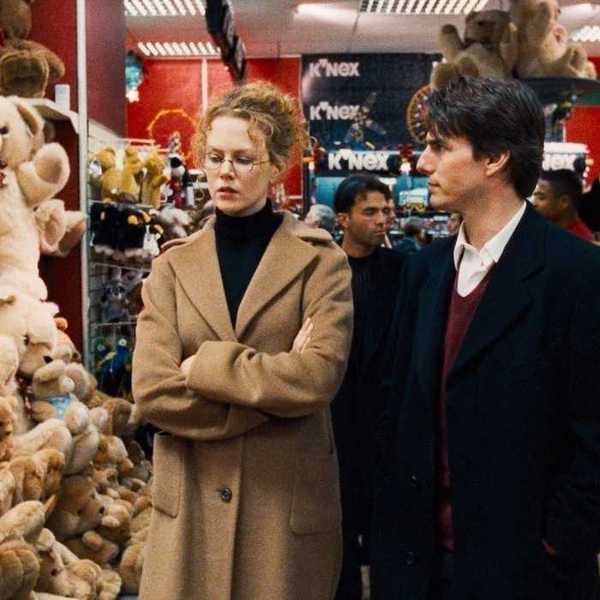
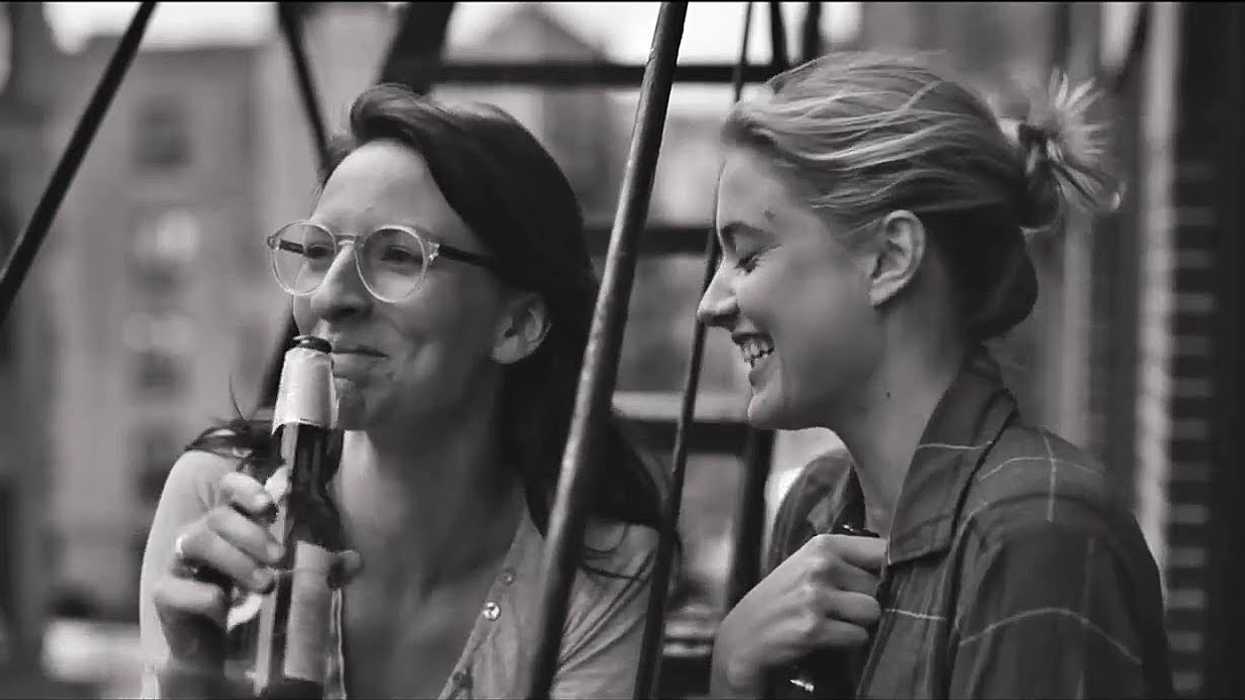
If you’re an indie film fan, you probably know this black-and-white classic by now. Frances Ha stars Greta Gerwig. Noah Baumbach directed it with DP Sam Levy, and they shot it on a Canon 5D Mark II.
DP Harris Savides was Baumbach's first choice for Frances Ha but couldn't commit to the year-long shoot. He recommended Levy to Baumbach because Levy already owned a 5D (new tech at the time) and had been shooting music videos on it.
Levy told Closely Observed Frames in 2020, “Harris and I together shot a test at Noah’s apartment. Just an exploratory venture with a Canon 5D and Greta. I came by and brought a bunch of different lenses. We shot all day, laughed, and ate really good food.”
Levy was excited about the camera’s capabilities.
“I was a believer! It’s great in low light, has a big sensor with shallow depth of field, but actually records low-res video. The grainy 1080p video with a large sensor is completely unique to the 5D. In our first formal production meeting over coffee, Noah asked me if I thought we could make something beautiful with a 5D. I emphatically said yes, that we could in fact do something distinctive this way. The whole camera package can fit in my backpack. We can go anywhere at any time and [do] anything.”
The film was shot in color, then converted to black and white in post, a choice that lets the compressed 8-bit image read as intentional grain rather than a limitation.
Levy loved this camera, even if Baumbach may have had some doubts. They did in fact, manage to make a beautiful film, adapting via the black-and-white post choice to get a unique cinematic image, even at a low resolution.
The Camera Can Size the Production Crew
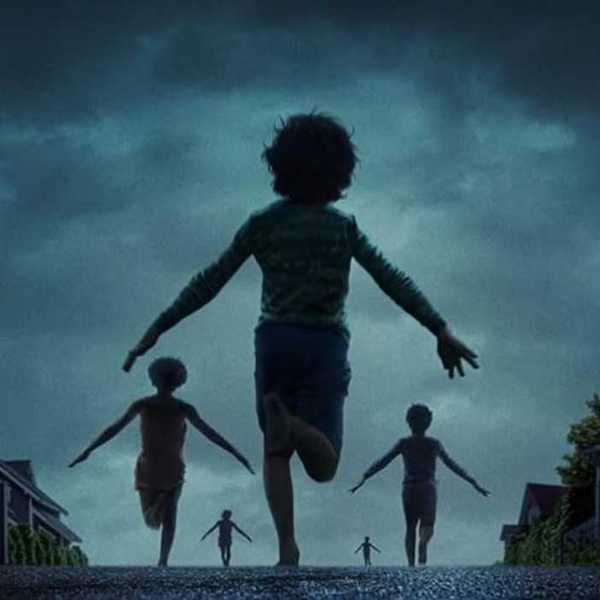
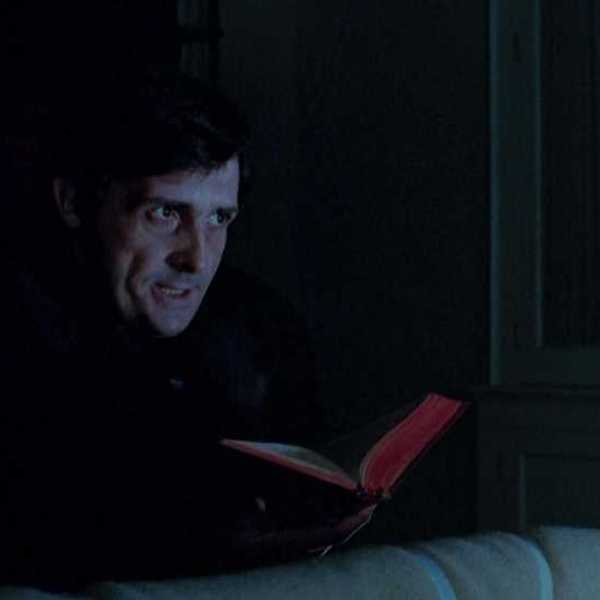
This is one of the scrappier films, and it’s one of my favorites. Coherence is a sci-fi thriller about converging alternate realities, and it takes place almost entirely in one house with just a few characters. James Ward Byrkit wrote and directed it. Nic Sadler DP’d the movie and shot it on a Canon 5D Mark II.
They had no script, no budget, and shot the whole thing in just five nights.
Byrkit told IndieWire, “It was a combination of two things: a desire for many years to try and experiment, to strip down a film set to the bare minimum: getting rid of the script, getting rid of the crew. When you’re on bigger movies, most of your time is spent waiting. You’re not actually filmmaking. So I thought, “wouldn’t it be great to have nothing to worry about but the actors and the story?” So that, combined with the opportunity to explore the latest cameras—Canon 5Ds—and make a micro-budget movie.”
This means they needed basically no crew. They could move fast without waiting for lights or rigging. Byrkit designed a story that worked because the crew was that small, and because the crew was small, they were able to save a ton of money.