Decoding the Chilling Symbolism of ‘Get Out’
Jordan Peele's horror masterpiece gets deeper with every watch.

'Get Out'
When Jordan Peele’s Get Out hit theaters in 2017, it didn’t just scare us; it started a conversation. I remember seeing it in DTLA, it was like the theatrical premiere, and I went with a buddy, and we sat with some execs and went to an after-party.
And I was in such awe of the movie and so sure we were witnessing the birth of a great new director. It was one of the best nights for me in all of my time in Hollywood.
Here I am, years later, still talking about this movie and how many layers there are inside it.
Jordan Peele is one of my favorite current directors, and today I wanted to go over all the symbolism he packed into his debut feature.
Let's break down some of the most powerful symbols in the film.
- YouTubewww.youtube.com
The Sunken Place
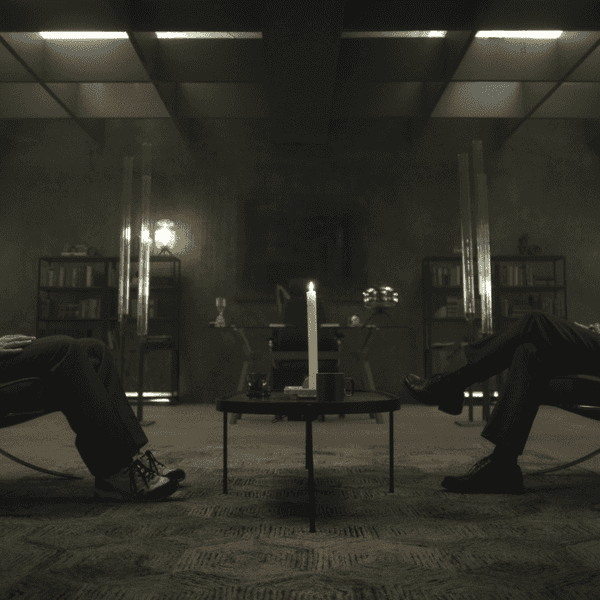
Let's start with the big one. The Sunken Place is more than just a cool visual or plot device; it's the film's thematic core. When the spoon taps the teacup, Chris plummets into a dark, watery void. He can see the world through a tiny screen, but he can't move. He can't speak. He can only watch as someone else controls his body.
I have to admit that upon first glance, I thought this was just some cool storytelling. But the more I read about the movie, the more I was interested in the reading that it was actually a metaphor for systemic racism.
It's a suppression of an individual and a trap you can't escape while in the passenger seat, and someone else is driving your life.
You're screaming, but you are never heard.
The Teacup and Spoon
I know we mentioned this right before, but before you enter The Sunken Place, you get dinged with a teacup and a spoon.
This is a civilized and high society way to take control of you.
The family at the center of this movie does not see themselves as racists; they would have voted for Obama a third time, Armitages don't see themselves as brutes. They see themselves as enlightened, sophisticated people.
It represents covert racism that is hidden and maybe even not fully realized by the people practicing it; it's far more insidious and dangerous.
The Deer
The deer shows up twice in crucial moments. First, Chris and Rose hit a deer on the way to visit her family. Chris's reaction is one of empathy and pain, which contrasts sharply with Rose's cold indifference.
That's a plant and payoff for her character, but also a greater metaphor about how she views people different than herself.
Later, we see a large, stuffed deer head mounted on the wall in the Armitage home, its dead eyes staring down. That brings Chris back to that violence and also connects to his past.
The other part of this is that Chris is seen as a hunting prize to bring home; he's the trophy she brought back for her family to use.
Cotton
When a captive Chris is tied to a chair, he pulls the cotton stuffing out of the armrest to plug his ears. It’s a literal escape tool, but the visual of a Black man picking cotton to save himself is an unmissable and deeply ironic reference to slavery.
Summing It All Up
Get Out is a horror masterpiece because its scares aren't just visceral moments, but also layered into the very fabric of our society.
Jordan Peele trusts his audience to connect the dots, and in doing so, he creates a film that is so rewatchable and so beautiful to discuss.
Were there more symbols I missed?
Let me know in the comments.