Getting staffed on a TV show can feel like a magic trick. You send a sample out into the void, and someday, somehow, a showrunner reads it and decides you belong in their room. So what are they looking for when they open your script?
Lucia Aniello and Paul W. Downs have some answers. They co-created Hacks with Jen Statsky and staffed its writers' room season after season. (We're still not over the finale, to be honest.)
On a recent episode of Scriptnotes with John August, they talked through how they hire. And we already pulled their co-writing system from the same conversation, so definitely check that out too.
Their insight is so important in a market where TV writing jobs dropped more than 40% in the '23-24 season. Every sample has to do more work now. If you're sending out samples, here's what makes a showrunner stop reading, what keeps them going, and what happens once you're in the room. Hacks is the example, but the advice applies to any room.
- YouTube www.youtube.com
Familiar Jokes Get You Put Down
You may have heard that if a reader doesn't like your script, they'll put it down within a few pages. Maybe one page. Is that true? Yes.
Downs says:
“I think the thing that would make me put it down in terms of what we’re looking for, I think is if there are jokes or things that we’ve seen many, many times. If that if it’s something that feels like a reiteration of something we’ve seen, I think that’s what’s going to make me put it down. I think we really want something that feels voicy um and specific.”
When you're reading for staffing, you're judging the writer, not the story. A director weighing a script needs to know where the plot goes. A showrunner hiring needs to know how you sound.
"We're looking at tone and the style more than, like, hook me with your big story," Aniello says.
Even a script with very little story turn can keep them reading if the writing grabs them. So cut the jokes you've heard before. If a joke came to you instantly, it probably came to everyone else instantly too. They talk about those jokes as being "too first thought."
What should you do instead? This is the most freeing note in the conversation.
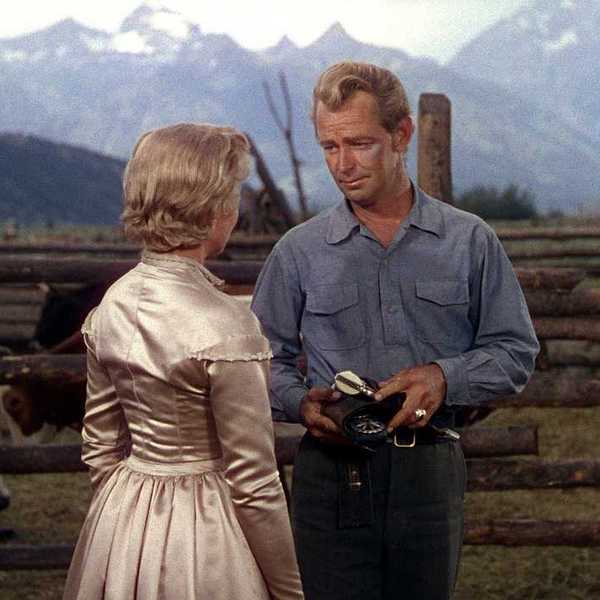
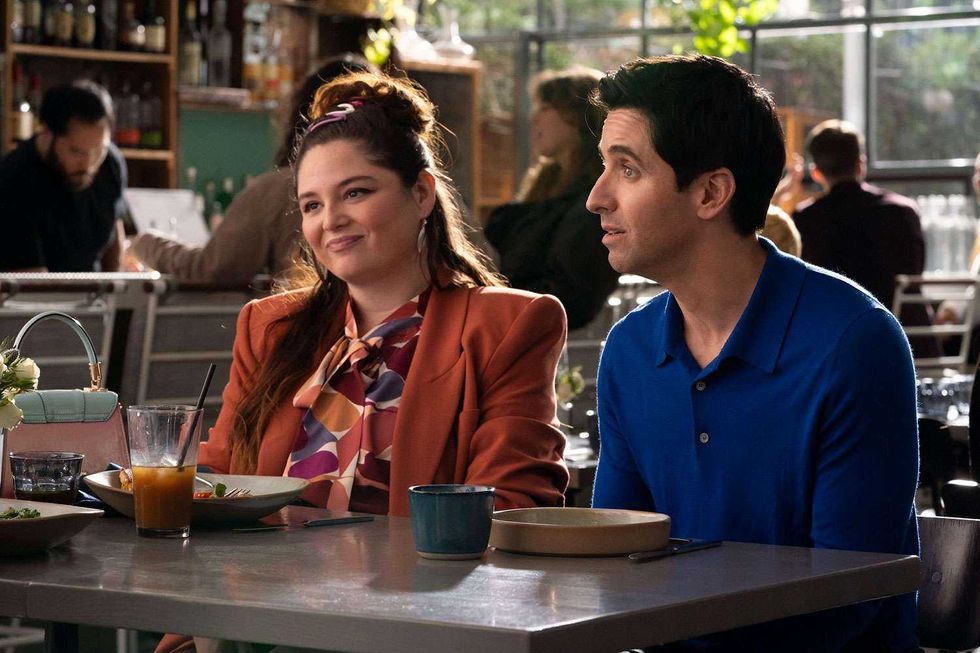 'Hacks' Credit: HBO
You Don't Have to Be the "Joke Person"
A comedy sample doesn't have to be wall-to-wall jokes. They staff for the whole room, not for one skill. They're looking for a mix of ingredients to create a team.
"We should say that we've had people on the show or on our staff that aren't squarely in the comedy space," Downs says. "That isn't the thing that they do. And that's also okay, because if you feel something is voicy and has a point of view and is compelling, you think, okay, well, that person is good at story, that person might be very helpful in terms of breaking story, even if they're not the joke person. And I think that's the thing, you always want to think about the alchemy of the room."
The reverse also holds. Stand-ups have to show they can do more than set-ups and punchlines. They mention stand-up comedian Pat Regan, who was on Hacks.
"He had figured out a way to translate his tone onto the page," Aniello says.
Downs agrees, "Because that's the thing. I think obviously we wanted to have stand-ups in our room since the show is about a stand-up, but we also wanted people that would be contributing when they were pitching story. So it was important to us that it wasn't just someone who was great at jokes but also could help in other ways in the room."
You can't know what a room is missing when you submit. Write to your strengths, and make sure the sample proves you can do the one thing a résumé can't show.
The Meeting Is a Vibe Check
If someone likes your sample, you might get a meeting. In the case of Hacks, the meeting was all three showrunners on one Zoom, and they admit that might be intimidating. They're trying to learn what you gravitate toward in a room.
"I think it's just a vibe check," Downs says. They want to know if you can have a conversation and be friends with the person.
It's the same reason they protect their own partnership.
"Paul and Jen and I had this conversation very early in making the show where we were like, if there's ever any animosity interpersonally it will show up in the work," Aniello says. They need to get along as writers.
Prep for the meeting, but treat it as a conversation, not a pitch. They're hiring a person to spend long days with. You might bump heads occasionally. Are you a pleasant person?
The Assistant Route Still Works
Two of their writers' assistants, Ariel Karlin and Carolyn Lipka, became staff writers. They read assistants' samples when hiring them, so they already knew they could write. Each assistant co-wrote an episode before getting their own scripts as staff.
August notes that many assistants are never read at all, then get turned down after two years on a show.
"That's definitely a prerequisite for us because our intention always is to try to promote from within. And also our writer assistants do pitch in the room," Aniello says.
Learn more about breaking into a room as a support role.