3 Screenwriting Lessons From Thanksgiving Movies
It;s the perfect time of year to pitch what you've got around the Thanksgiving table.
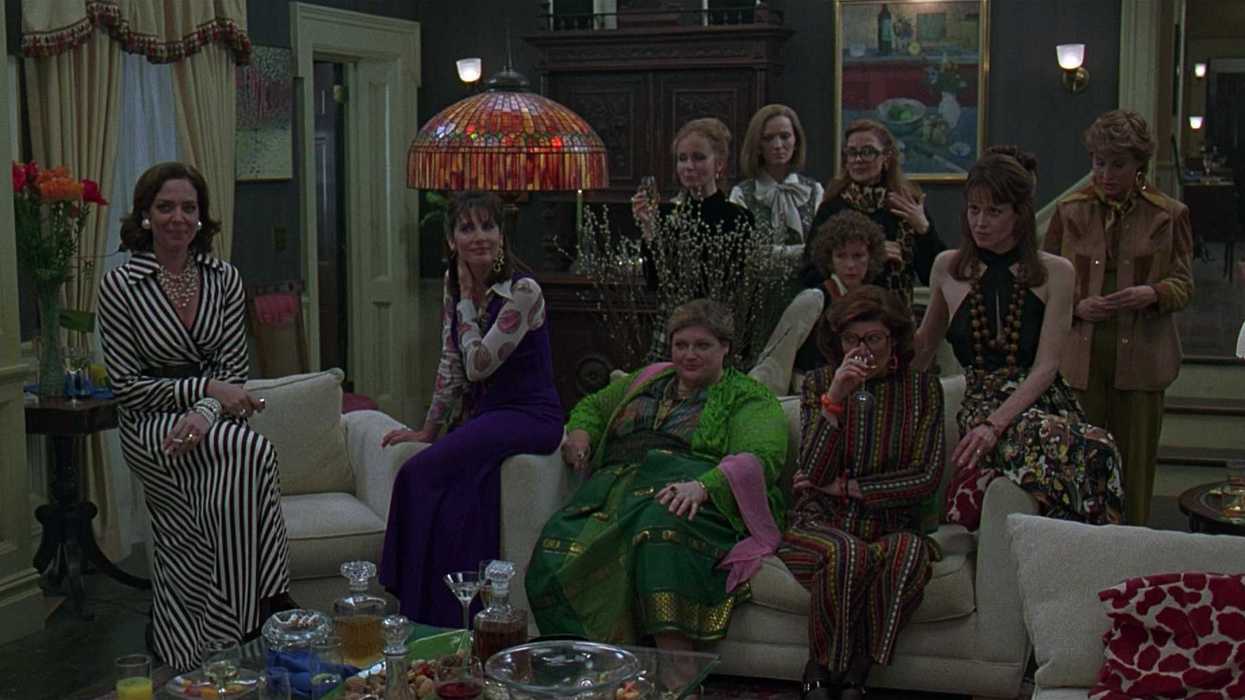
'The Ice Storm'
I am a workaholic. Which means I see holidays as an opportunity not to have to write three articles for this site and do chores and other things. I see them as an opportunity to sit and actually do my heart's work: writing the screenplays I hope will sell and lead to a more consistent paycheck from Hollywood.
So yeah, I love the end of the year because everyone is taking a lot of breaks, and I am leaning in and hustling. But now that I have a family, that hustle can get dragged into a million different directions. The best one being sitting and watching Thanksgiving-centric films with the family.
And I've found that there are A LOT of screenwriting lessons built into these very stories. So they still give me an opportunity to work, albeit silently, as we watch.
Today, I want to go over some of the lessons I've learned over the years.
Let's dive in.
1. Forced Proximity is a Pressure Cooker
- YouTube www.youtube.com
- The Example: Planes, Trains and Automobiles (1987)
- The Lesson: Put two fundamentally incompatible characters in an inescapable situation with a shared goal, and let friction do the heavy lifting.
Let's start with an example from what I think is the best Thanksgiving movie of all time. In Planes, Trains and Automobiles, Neal Page (Steve Martin) is an uptight marketing executive, and Del Griffith (John Candy) is an overly friendly shower-curtain-ring salesman. In the real world, these two guys would never be friends, but when the screenplay forces them together, we get an incredible movie.
This is the classic example of having two different archetypes butt up against one another and cause friction that eventually leads to a fire, as they drive one another crazy.
More than most others, screenwriter John Hughes understood that character is revealed through obstacles. So he puts each of them in a lot of similar situations, and we get to see how they react to the crumbling circumstances around them.
The set pieces here are canceled flights, burned rental cars, shared motel beds, and long car rides. They are grounded and have that ticking clock of making it home for the holidays. But Hughes uses them to confront the emotions of isolation, longing, and taking what you have for granted.
This movie winds up being about profound grief and kinship, two things that feel impossible in a comedy but that make this a movie you can watch year in and year out.
So, don't let your characters walk away from an argument. Trap them in a car, a snowed-in cabin, or a cramped dining room. When they can't escape, we get what's really on their mind and reveal all the good stuff that creates drama, even in a comedy.
2. Ensemble Casts Need a "Ticking Clock"
- YouTube www.youtube.com
- The Example: Pieces of April (2003)
- The Lesson: To keep an ensemble from feeling scattered, anchor the plot to a mundane task while giving every character an emotional secret.
Ensemble movies are some of my favorites, but the hardest to write. You have so many individuals, all with desires that have to pop on screen and be made tangible.
Peter Hedges’ Pieces of April solves this brilliantly. The central plot is painfully simple: April (Katie Holmes), the estranged "black sheep" of the family, is trying to cook her first Thanksgiving dinner in her tiny Lower East Side apartment. One little hitch...the oven is broken.
And everyone is already on their way.
The pressure mounts because we know she's trying to prove she can belong in the family again. And it creates a literal ticking clock for her to prove it to herself and them.
While April frantically knocks on neighbors' doors for oven space, the film intercuts with her dysfunctional family driving down from the suburbs, all coming with their own literal and metaphorical baggage.
Giving these people tangible goals that connect to their emotional goals is a smart way to pull the audience in and heighten the internal and external conflict for each character.
3. Tone is Everything
- YouTube www.youtube.com
- The Example: Home for the Holidays (1995)
- The Lesson: Lean into the absurdity of family dysfunction, but earn your payoff by grounding the comedy in real human emotions.
Thanksgiving movies often walk a tightrope between broad comedy and heavy drama. But Jodie Foster’s Home for the Holidays (written by W.D. Richter) finds a way to do both because it knows how to carefully balance its tone.
The story is simple: Claudia Larson (Holly Hunter) loses her job, kisses her boss, and flies home to Baltimore to spend Thanksgiving with her eccentric parents, her conservative sister, and her volatile brother.
Chaos ensues, as it has to, with all those pent-up things that seem to bubble over the longer you stay with family.
The film works because underneath the slapstick and bickering is a deeply relatable truth that adult children often revert to their childhood roles the moment they walk through their parents' front door.
We may never grow up, but we can have adult audiences see themselves in these characters and their actions. The goofiness is here; I think about the turkey being tossed onto the table, but we also have the real pain of seeing your parents age and wanting your sibling to be better than they turned out.
If you can balance the tone of your script, you're in good shape.
Summing It All Up
These are the lessons I'd take away from three of the movies I watch every holiday season. But there are lots more out there. The point is to open your eyes and your attention to the stories in front of you and see how you can use these lessons on your own work.