How 'SNL' Editors Turn 36 Hours of Footage Into a Finished Sketch
“I feel like sometimes when you have too much time, it becomes almost more difficult.”
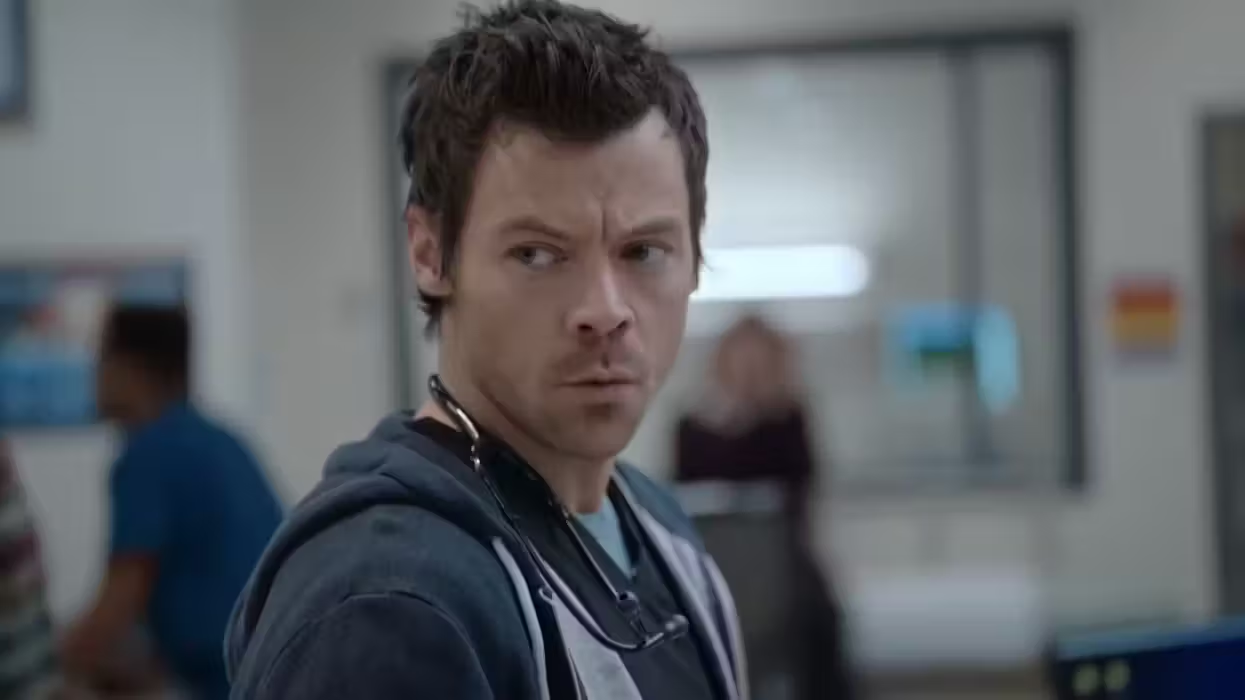
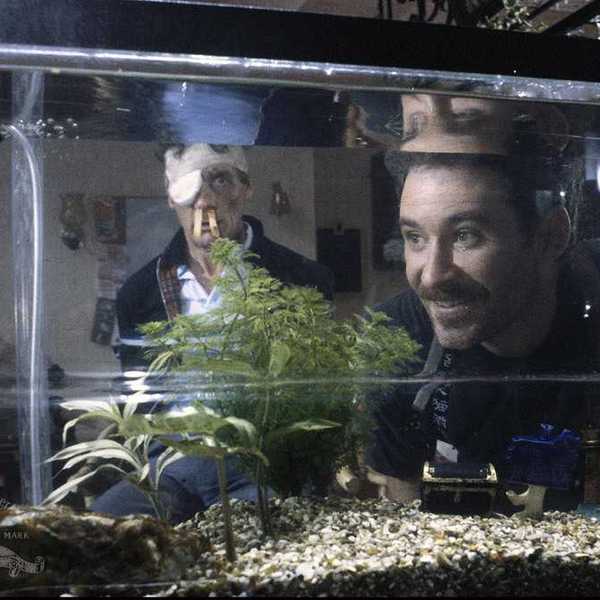
"MAHAspital" | ''SNL'
Saturday Night Live’s prerecorded sketches can go from first footage to national broadcast in roughly 36 hours. In this episode of the No Film School Podcast, host GG Hawkins talks with SNL editors Christopher Salerno and Mak Makower about the post-production workflow behind that turnaround, including their work on the Emmy-nominated “Ma Hospital” sketch starring Harry Styles.
They break down how footage moves from set to the edit, why line-by-line stringouts are essential, how they use Adobe Premiere Pro tools like transcription, Essential Sound, multicam sequences, and reverse match frame, and how sound design helps build tension before a joke lands.
They also discuss the differences between editing SNL, commercials, and longer narrative projects, the importance of collaboration in the edit room, and the technical habits aspiring editors can develop to work faster without sacrificing storytelling.
In this episode, we discuss:
- How SNL goes from Wednesday night table read to a finished prerecorded sketch airing Saturday
- What happens when footage begins arriving from set on Friday morning
- Why Mak creates “line-by-lines” containing every take of every scripted line
- How organizing footage early allows editors, writers, and directors to make decisions quickly
- Finding the visual language of “Ma Hospital” while parodying HBO’s The Pitt
- Using the structure and pacing of a trailer to increase the energy of a parody
- Why Mak watched The Pitt during the edit to understand its characters and visual style
- How Premiere Pro’s transcription and search tools make it easier to locate specific dialogue
- Using the Essential Sound panel, EQ, reverb, panning, and the audio track mixer during picture editing
- Why sound design can be essential to making comedy work
- Building tension with heart monitors, ventilators, overlapping dialogue, and strategic silence
- Keyboard shortcuts that speed up multicam editing and navigation through massive stringouts
- How a longer commercial schedule can actually create new challenges by allowing editors to second-guess decisions
- Editing Kate McKinnon’s Zoom commercial and balancing comedy with the need to sell a product
- Why editors can function as storytellers, collaborators, and sometimes even therapists during long-form projects
- Mak’s “puzzle-solving” approach to rearranging footage until a scene or story unlocks
- Why trust, openness to feedback, and leaving ego outside the edit room matter on collaborative projects
- How SNL’s dress audience functions as a real-time test screening
- Why editors should continually learn new software, techniques, graphics, sound, and VFX tools
- How YouTube tutorials and experimentation can help editors expand their skills and become more valuable
Guest:
Subscribe to the No Film School Podcast on:
Get your question answered on the podcast by emailing podcast@nofilmschool.com
Listen to more episodes of the No Film School podcast right here: