It’s funny how rain can infiltrate our favorite movie moments. It’s never just about bad weather; it’s also about high stakes, unfiltered feelings, and unforgettable images.
A steady downpour can make a musical number feel magical, a storm can symbolize a hero’s rebirth, and a drizzle can turn a breakup into heartbreak.
Directors are well aware of this, which has made rain one of the most dependable dramatic devices.
Think about it: rain washes away illusions, reveals vulnerability, and occasionally even creates conditions for mayhem. When used effectively, it ceases to be background noise and becomes an integral part of the narrative.
And the scenes that follow become so memorable exactly because of this. These moments don’t just happen to take place in rain—the rain itself changes everything.
The Rain-Soaked Scenes That Refuse to Fade
1. The “Singin’ in the Rain” Number (Singin’ in the Rain, 1952)
Written by: Betty Comden & Adolph Green | Directed by: Gene Kelly & Stanley Donen
In a scene as iconic as it is contagious, Don Lockwood (Gene Kelly) swings, splashes, and twirls his way down a lamplit street. The happiness that emanates from his performance turns the rain into an invitation to dance rather than a bother. The world becomes a stage, the puddles become props, and his umbrella becomes a partner.
The rain here is not decorative; it is used to symbolize Don’s happiness after discovering he is in love. This number wouldn’t have the electricity it is known for if it weren’t for the rain. And since it was notoriously difficult to film in real rain with such bright lightning—aside from the fact that Kelly has a high fever—the decision to stage such a vivacious dance in pouring rain created one of cinema’s most iconic images, fusing technical mastery with choreographic genius.
2. Durga’s Dance in the Fields (Pather Panchali, 1955)
Written by: Bibhutibhushan Bandyopadhyay (novel), Satyajit Ray (screenplay) | Directed by: Satyajit Ray
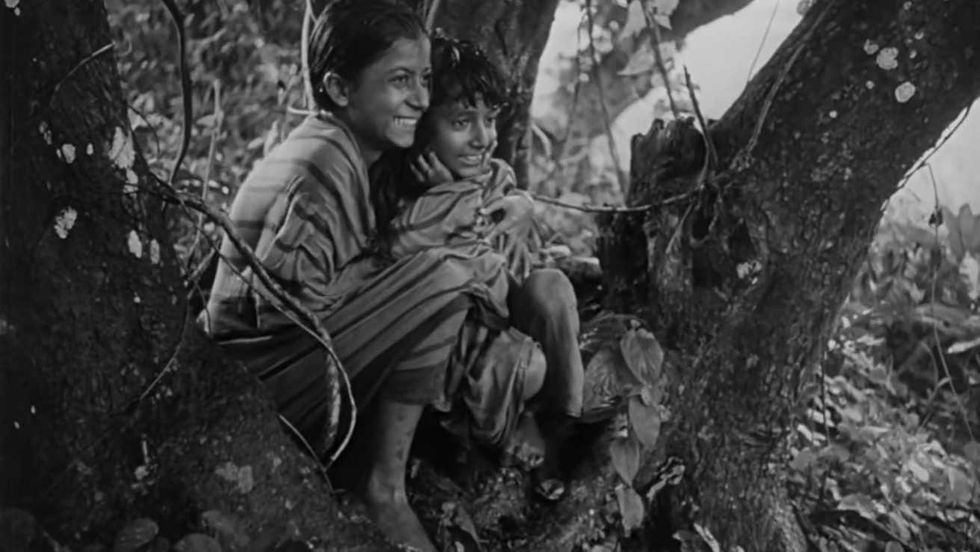 Pather Panchali (1955)Credit: Edward Harrison
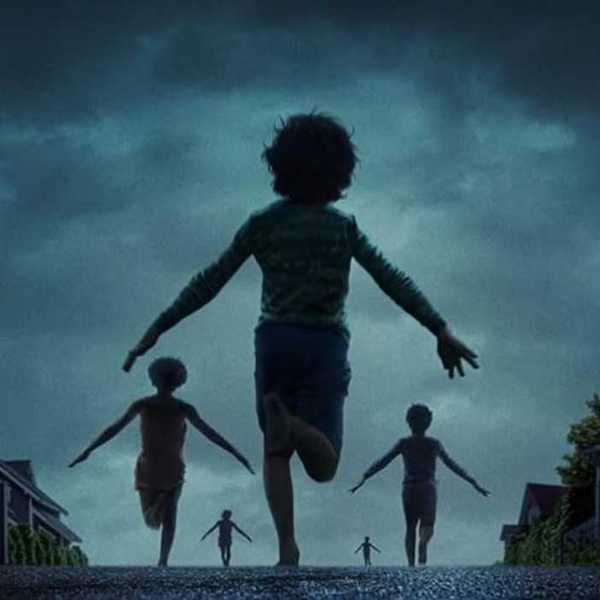
As the monsoon rain completely soaks them, Apu (Subir Banerjee) and Durga (Uma Das Gupta) dash out into the open fields, laughing and dancing. These kids view the rain as a celebration rather than an issue, a respite from their struggles, and a brief period of unadulterated freedom.
The scene has a strong emotional and cultural foundation. Rain was a symbol of rebirth, survival, and happiness in rural Bengal. Ray employs the monsoon as a metaphorical reprieve from the burden of poverty in addition to using it as a natural setting. A simple act—children frolicking in the rain—becomes poetic on screen thanks to the black and white cinematography that creates a shimmering effect in the falling water.
3. The Kiss in the Rain (Breakfast at Tiffany’s, 1961)
Written by: Truman Capote (novel), George Axelrod (screenplay) | Directed by: Blake Edwards
Paul Varjak (George Peppard) confesses his love for Holly Golightly (Audrey Hepburn) after he chases her down in a taxi. Holly’s cat wriggles between them as the two finally embrace in a kiss in the rain. In one iconic shot, the resolution scene unites tenderness, chaos, and love.
The catharsis is enhanced by the rain. The kiss is messy, wet, and full of vulnerability; it’s not a polished one. The scene wouldn’t feel nearly as alive without the storm. Holly’s journey from a woman who is always running away to one who ultimately decides to connect is symbolized by the water.
4. Roy’s Rooftop “Tears in Rain” Confession (Blade Runner, 1982)
Written by: Hampton Fancher & David Peoples | Directed by: Ridley Scott
At the climax, Roy Batty (Rutger Hauer) gives Deckard (Harrison Ford) his well-known “Tears in Rain” monologue just before he passes away. Neon lights flicker through the storm as the action takes place on a wet rooftop.
Roy’s mortality is reflected in the rain, which is fleeting, ephemeral, and beautiful in its impermanence. The storm highlights his humanity, even as he saves Deckard instead of killing him. It was no accident that Ridley Scott chose to have this confession in the midst of a downpour; it served to emphasize the contrast between the organic, uncontrollable forces of nature and a man-made replicant.
5. T-Rex Paddock Attack (Jurassic Park, 1993)
Written by: Michael Crichton & David Koepp | Directed by: Steven Spielberg
During a torrential storm, the T-Rex escapes its paddock and turns a peaceful moment into one of the scariest scenes in movie history. Tim (Joseph Mazzello) and Lex (Ariana Richards) rush for cover as the rain beats down on the vehicles.
Here, the chaos is exacerbated by the rain. It makes everything slick, distorts vision, and makes an already deadly situation into a nightmare. Spielberg used the storm to highlight suspense—the mix of hydraulic dinosaur effect, flashing lightning, and pouring water creates a sense of helplessness no dry set could deliver.
6. Andy’s Escape to Freedom (The Shawshank Redemption, 1994)
Written by: Frank Darabont | Directed by: Frank Darabont
Andy Dufresne (Tim Robbins) escapes prison by crawling through miles of sewage before collapsing into the rain after emerging from a drainage pipe. Bathed in lightning and water—both rain and sewage—he lifts his arms to the sky. This is the time of total freedom.
Here, rain is the rebirth—washing away filth, fear, and captivity. The thunderstorm adds drama but also practicality: it conceals Andy’s escape. Darabont frames the shot with biblical imagery, transforming rain into both narrative necessity and spiritual metaphor.
7. The Upside Down Kiss (Spider-Man, 2002)
Written by: David Koepp | Directed by: Sam Raimi
Spider-Man (Toby Maguire) hangs upside down in an alley after rescuing Mary Jane (Kirstin Dunst) from assailants. In the pouring rain, she barely removes his mask—just enough to kiss him. The sequence turned into one of the pivotal moments in 2000s superhero films.
The kiss is memorable and tactile because of the rain. It wouldn’t have the same sensuality without her hair stuck to her face and the water trickling off his mask. Raimi literally soaked it in atmosphere, turning what could have been a straightforward kiss into a landmark of pop culture.
8. Neo vs. Smith Final Showdown (The Matrix Revolutions, 2003)
Written by: The Wachowskis | Directed by: The Wachowskis
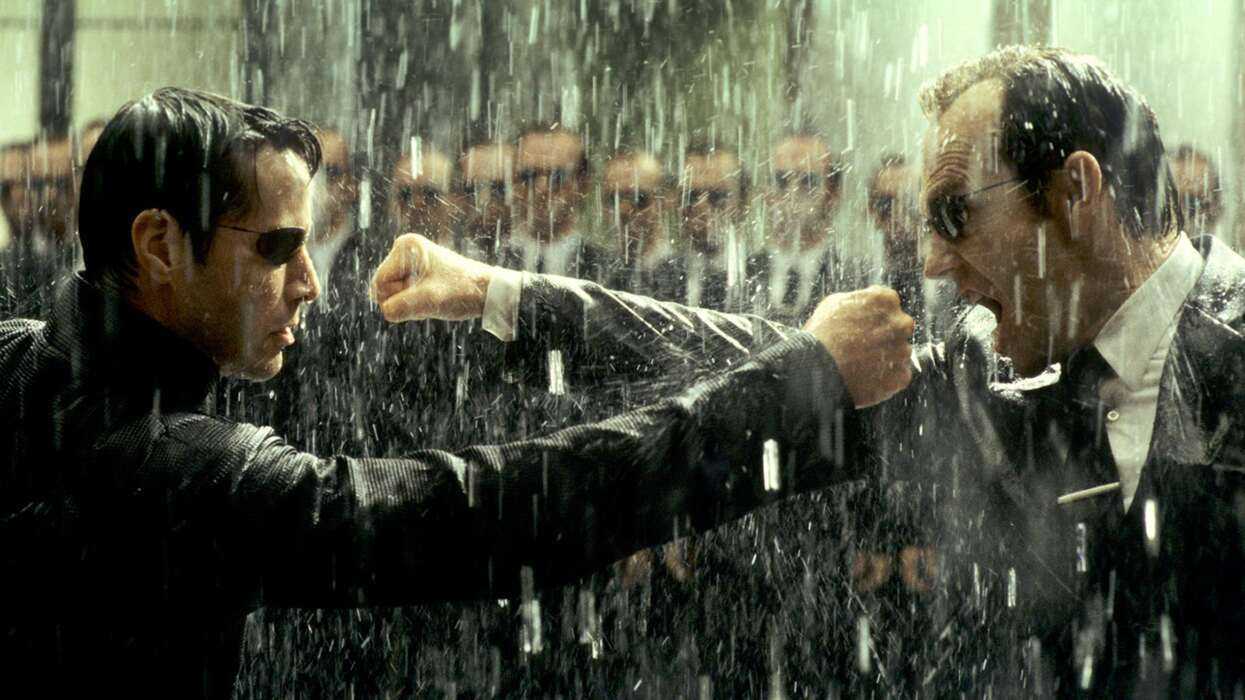
Neo (Keanu Reeves) and Agent Smith (Hugo Weaving) engage in combat in the film’s climactic scene, which takes place in a soggy urban setting. Water sprays from every punch, and the raindrops nearly take on the role of characters.
Rain, in this scene, does double duty: it adds weight and texture to the fight while symbolizing the oppressive, overwhelming system Neo is up against. The Wachowskis staged the scene like an anime come to life, using every drop of rain to amplify the spectacle and emotional intensity.
9. The Downpour and Flood (Parasite, 2019)
Written by: Bong Joon-ho & Han Jin-won | Directed by: Bong Joon-ho
When the Kim family gets back to their semi-basement house, they discover it is completely flooded by the intense rain. The disparity between their lives and the Parks’ opulent estate becomes painfully evident as they struggle through sewage and hopelessness.
Rain is so much more than just weather here—it’s class commentary. Bong Joon-ho uses the storm as a brutal equalizer that exposes economic fragility. The sequence visually drowns the Kims’ illusions of climbing the social ladder, reminding viewers how natural forces often hit the poor hardest.
Conclusion
From musical joy to dystopian despair, rain has shaped cinema in ways few other natural elements have. It’s the great equalizer, able to reveal realities that the sun cannot reach and transform everyday events into legendary moments. Rain turns landscapes into experiences, whether it is purifying, oppressive, or just dazzling.
Filmmakers have used storms as a source of meaning and spectacle in a variety of genres and eras. In turn, viewers recall these soaked moments as some of the most impactful in film history.
In the end, rain in cinema isn’t about weather—it’s about the truth that the downpour reveals.
- Why Is It Always Raining in David Fincher Movies? ›
- Does Your Scene Call for Rain? Here's How to Shoot in It ›
- 5 Things to Keep in Mind Before Filming in the Rain ›
- 10 Most Iconic “Vaporwave” Movies of the ‘80s ›
- The Sci-Fi Classic Movie That Flopped, Then Became a Masterpiece ›
- The Hidden Meaning Of Rain In Movies - When And Why Filmmakers Use It ›
- The Best Camera Move You Missed in 'Singin' in the Rain' ›