10 Most Iconic “Vaporwave” Movies of the ‘80s
These films capture the neon-lit melancholy, retro futurism, and synth-soaked atmosphere that define the “Vaporwave” aesthetic of the ‘80s.
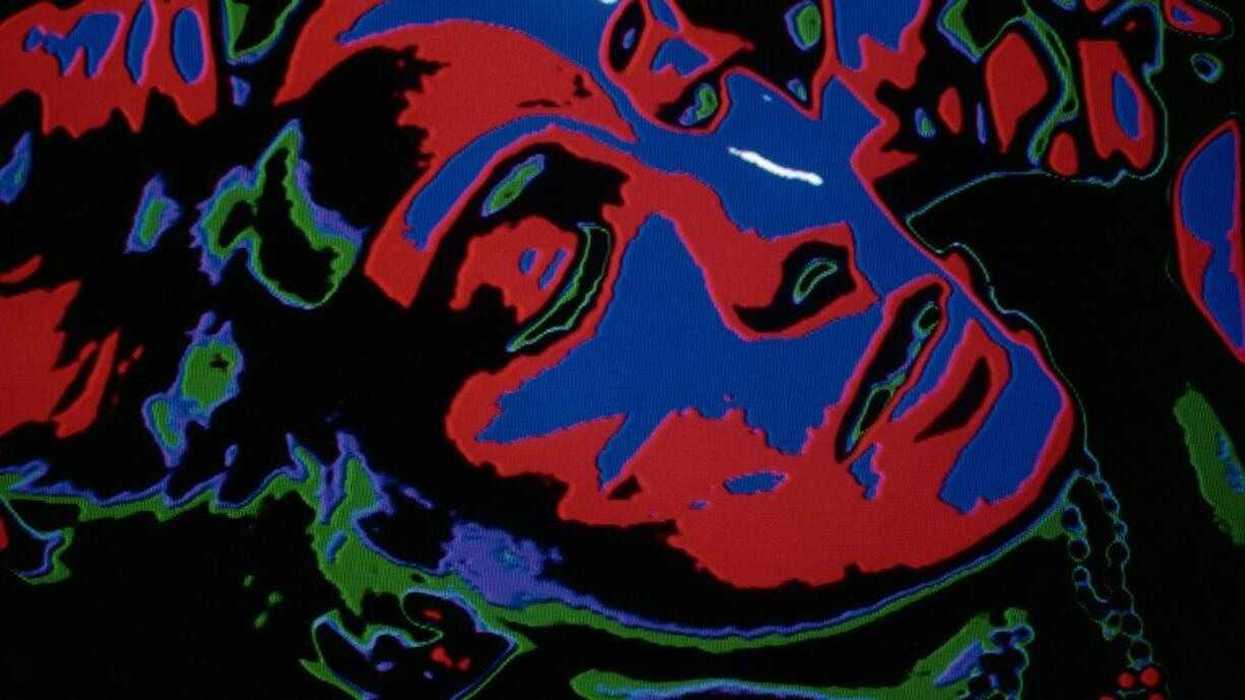
‘Liquid Sky’ (1982)
Imagine you’re made up of a series of 1s and 0s. You step into a digital sunset and breathe in the air that smells like ozone and cherry soda. Or, you peep through a cracked CRT monitor and see a world where Greek statues wear mirrored sunglasses and the tropical breeze feels like static electricity.
That, my friends, is the texture and vision of “Vaporwave.”
While technically a microgenre of electronic music (examples: Vektroid, James Ferraro), and the one that emerged decades later, in the late 2000s, its soul was forged in the high-contrast laboratories of 1980s cinema. These are the films that captured a dream of the future that felt both glossy and strangely lonely. A visual click might give you an idea: marble statues, wireframe grids, endless shopping malls.
These films told stories but also curated a specific, moody texture. Their aesthetic thrives on a specific brand of retro-futurism. It relies on the glow of CRT monitors and the haze of humid Miami nights.
Now, you must remember, in the 1980s, vaporwave didn’t exist as a defined genre, but its building blocks were already falling into place through the films of that era. The movies on this list aren’t officially “vaporwave films.” Instead, they are the visual and thematic influences that helped shape what vaporwave would later become.
What “Vaporwave” Means in an ‘80s Context
In a nutshell, vaporwave is an aesthetic trend, rather than a formal genre, which is characterized by the ‘80s and ‘90s cyberpunk nostalgia, neon-drenched visuals, and a surreal, dreamy tone. They often critique consumer capitalism by utilizing, slowing down, and distorting the imagery of malls, retro technology, early 3D graphics, and Japanese corporate culture. Ultimately, it creates a melancholic yet ironic atmosphere.
Key Characteristics and Elements
- Visual Aesthetics: Neon, pink/cyan palettes, VHS filters, 3D-rendered objects, Greek busts, palm trees, and Japanese characters
- Atmosphere: Surrealism, nostalgia for a “future that never happened,” and the feeling of liminal spaces like abandoned shopping malls
- Thematic Focus: Irony, satire of corporate culture, and the “dead” aesthetics of the recent past
10 Vaporwave Movies of the ‘80s That Defined a Mood
1. The Shining (1980)
Written by: Stanley Kubrick, Diane Johnson | Directed by: Stanley Kubrick
Based on Stephen King’s novel, the film follows Jack Torrance’s (Jack Nicholson) mental collapse as the hotel’s wicked influence breaks his psyche. The movie is as much known for its visual design as it is known for its insidious, slow-burning dread. Vaporwave’s obsession with the “liminal space” comes from the films’ symmetrical halls, floral carpets, and eerie ballroom luxury. Kubrick uses stark, cold lighting and vast, empty interiors to create a sense of haunting, consumerist isolation. You can look for the vaporwave aesthetic in the film’s stillness and the ghostly, distorted echoes of a bygone golden age.
2. Blade Runner (1982)
Written by: Hampton Fancher, David Peoples | Directed by: Ridley Scott
Set in the future, the protagonist, Rick Deckard (Harrison Ford), hunts bioengineered humans in the futuristic L.A. This movie features the most bang-on cyberpunk visuals that inspired the vaporwave aesthetic. Scott achieved this style by using thick fog, rain, blue-tinted shadows, and massive neon advertisements; all these created a decaying world of the future. This melancholic atmosphere is further highlighted by the sweeping synth score by Vangelis.
3. Tron (1982)
Written by: Steven Lisberger | Directed by: Steven Lisberger
Computer programmer Kevin Flynn (Jeff Bridges) is transported into a software world, which is a literal manifestation of the wireframe grid and glowing vector graphics—the digital side of vaporwave. Its high-contrast visuals and primitive CGI landscapes evoke a sense of early computer nostalgia. The glowing lines and geometric simplicity represent the “virtual reality” dream that the aesthetic continues to celebrate today.
4. Liquid Sky (1982)
Written by: Slava Tsukerman, Anne Carlisle, Nina V. Kerova | Directed by: Slava Tsukerman
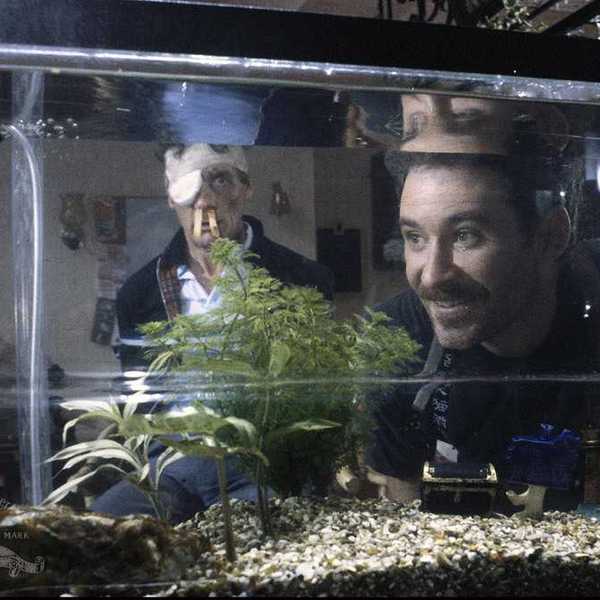
A small UFO lands in New York, and the aliens in it try to feed on humans’ brain chemicals, which they produce during orgasm and heroin use. This movie is literally a fever dream painted in fluorescent colors. Along with its thematic elements of New Wave fashion and avant-garde synth pop, its heavy use of color filters and “glitchy” visual effects align with the distorted, DIY spirit of vaporwave art. This film might make you feel like you found a VHS tape in a neon-lit basement. It’s full of raw, rebellious energy.
5. Videodrome (1983)
Written by: David Cronenberg | Directed by: David Cronenberg
In this sci-fi body horror, Max Renn (James Woods), a sleazy cable TV executive, searches for “extreme” content but discovers a strange, ultraviolet pirate broadcast signal that alters reality. The film is basically an exploration of our compulsive media consumption, except that it stretches it to the level where humans merge with television hardware. The fuzzy scan lines and tactile nature of magnetic tapes, which are the heart of vaporwave’s love for “dead” technology, are central to the film’s visual storytelling. In the world of Videodrome, screens are not just screens, but they’re portals and underscore the surreal, hypnotic power of the 1980s broadcast media.
6. Risky Business (1983)
Written by: Paul Brickman | Directed by: Paul Brickman
While this is a comedy, where Joel Goodson (Tom Cruise), a high-school student, practically turns his house into a brothel while his parents are away, its visual style is incredibly smooth and moody. For example, the blue-lit interiors and the famous Tangerine Dream score create a sophisticated, dreamy atmosphere. You might call it the “yuppie” aesthetic of the decade, which is sleek, healthy, and kinda detached. If you feel like it’s a luxury car commercial—thanks to the expensive decor and late-night driving sequences—who’s gonna blame you?
7. Scarface (1983)
Written by: Oliver Stone | Directed by: Brian De Palma
Hot-headed Tony Montana (Al Pacino), a Cuban immigrant, builds a drug empire in Miami, which finally leads to his tragic but inevitable downfall. If you think the visual style of “Mallsoft” or Macintosh Plus’ “Floral Shoppe”—think pink sunsets, palm trees, and opulent art deco mansions filled with marble—feels reminiscent of Scarface, that’s probably because it is inspired by it. Not directly, but in its generic essence. De Palma uses a saturated color palette that brings out the excess of the era: tropical, sunny, but also sinister.
8. Top Gun (1986)
Written by: Jim Cash, Jack Epps Jr. | Directed by: Tony Scott
A brash F-14 fighter pilot, Maverick (Tom Cruise), is sent to the Navy’s elite fighter school, where he must battle his ego, a tragic accident, and rivalry. The film is famous for its “Golden Hour” cinematography and heavy use of filters. You can notice a warm, orange glow or a deep, nocturnal blue in every shot. The film feels like a sleek, commercialized version of reality, thanks to the fast editing and the manic energy of the synth-pop soundtrack. You can often find vaporwave parodying the film’s glossy, patriotic optimism.
9. Manhunter (1986)
Written by: Michael Mann | Directed by: Michael Mann
The film follows Will Graham (William Peterson), who pursues a serial killer with the help of Hannibal Lecter (Brian Cox). Among all filmmakers whose films have influenced vaporwave, Michael Mann stands tall. Particularly in the case of this movie, with his use of sterile white rooms coupled with neon highlights and a jarring electronic score, you may feel like every frame is a high-end photography magazine from the ‘80s. Style and mood take precedence over traditional grit. And the result? The investigation looks like a cold, synthetic dream.
10. Akira (1988)
Written by: Katsuhiro Otomo, Izo Hashimoto | Directed by: Katsuhiro Otomo
In this seminal, post-apocalyptic cyberpunk anime, a military project turns Tetsuo (Nozomu Sasaki) into a living (and psychopathic) weapon, and his friend, Kaneda (Mitsuo Iwata), tries to save him. Iconic and critically acclaimed, Akira is the ultimate “Late Night Lo-Fi” vibe. The sprawling cityscapes, glowing light trails from motorbikes, and detailed urban decay are staples of this aesthetic. It perfectly captures the “Future Funk” and cyberpunk elements that vaporwave thrives on. The vibrant night colors and intricate mechanical design of Akira remain a lasting influence on modern digital artists.
- The 80s Film That Saw the Future of the Digital World ›
- Drenched in Drama: The Best Rain Scenes in Movie History ›
- Cyberpunk Movies: The 7 Greatest Films You Must Watch ›
- I’ll Beat It Out of You: The Story Behind the Toughest Line in ‘Code of Silence’ ›
- Icons of an Era: 9 Actors Who Dominated the ‘80s ›
- 9 Best Movies by David Cronenberg: Ranked ›
- 3 Directors Who Defined the Movies of the 1980s ›
- Summer 1982 Sci Fi Movies ›