The Sci-Fi Classic Movie That Flopped, Then Became a Masterpiece
This article explores the disconnect between Blade Runner’s 1982 box office failure and its eventual status as a genre-defining staple.
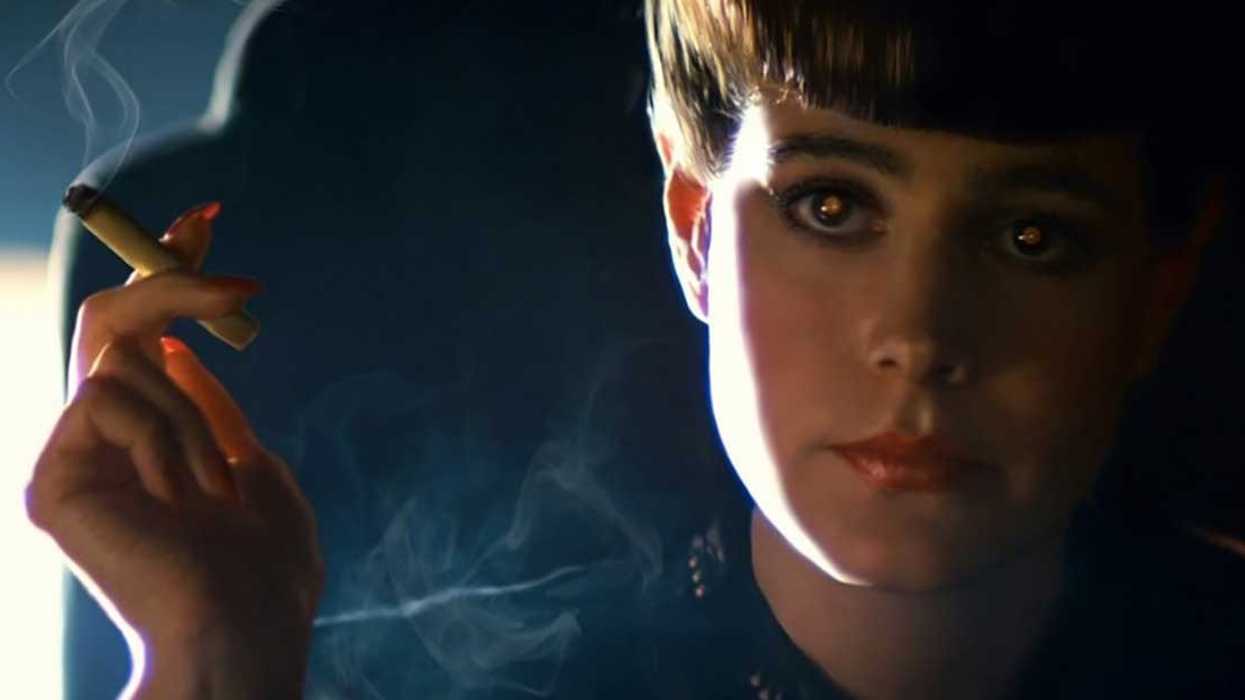
'Blade Runner'
Imagine a party. A pretty girl has grabbed everyone’s attention. Her slinky dress, hugging her curves, flirts with you as much as her coquetry. Her moves on the dance floor remind you of Gaynor Fairweather. Everyone wants to date this charming, easygoing girl.
And in that “battle of wills,” no one notices a nerdy girl entering the party. She is wearing cute little glasses. She is pretty (one might say unconventionally) and looks kinda intellectual. Maybe a bit intimidating. She goes and sits in a corner, where she stays for the rest of the evening. Alone.
Do you need me to spell out who goes home with a date and who doesn’t?
Now, let’s bring this “party” to the 1982 box office. Here, the vivacious, pretty girl is E.T. the Extra-Terrestrial—the irony isn’t lost on me, but stay with me on this analogy, won’t you?—and the quiet, nerdy one is Blade Runner. That should pretty much sum up the core of today’s discussion.
Blade Runner, released on the heels of E.T., was like a neon-soaked, philosophical puzzle dropping into a summer crowd expecting high-speed laser chases and fairy-tale dreams. The popcorn-movie era was too preoccupied to notice this moody cloud of smog drifting across.
In my opinion, this masterpiece was essentially a vibe that arrived 40 years too early. It asked, “What is human?” when the box office only cared about “Who’s the hero?” And this disconnect was responsible for turning this visual masterpiece into a financial ghost.
Today, it has become a digital scripture, but back then, its birth was viewed as messy, misunderstood, and uneventful. It wasn’t embraced or debated and was neither lauded nor widely rejected. Just like the nerdy girl at the party, it came and left, unnoticed.
The Summer of Optimism vs. the Rainy Future
The Spielberg Shadow and E.T. Dominance
Blade Runner had the misfortune to release just two weeks after the “big bang” release of E.T. the Extra-Terrestrial. The atmosphere was teeming with E.T.’s magic, and the audience was completely in awe of the wonder, the flying bicycles, and heart-tugging reunions.
Against this glow was a film about a weary detective hunting for sad robots. I don’t mean to undermine it, but against the Spielbergian wonderment, it felt like a total buzzkill. The mood of the hour was friendly, romantic, and funny. Even a sex comedy, Porky’s, made it to the top 5. There was just no space (or mental bandwidth) for a gritty, rain-slicked cynicism to find its rooting.
Marketing Noir as an Action Thriller
The film’s promotion heavily relied on Harrison Ford’s “Han Solo” energy and promised a fast-paced adventure. When the viewers sat down for the movie, what they got was a slow-burning detective story with obvious impressions of 1940s film noir. The genre itself wasn’t disappointing, but the bait-and-switch strategy confused them for sure. They were practically expecting “Indiana Jones in space,” but instead met a protagonist who spends a lot of time staring at photographs in his dull, dark apartment.
Philosophical Weight in a Fast-Food Era
The ‘80s in Hollywood
Now, this is not an undisputed argument, but many critics argue that the ‘80s marked a shift away from the creative innovation of the ‘70s Westerns and the “New Hollywood” era and moved toward a more commercial, spectacle-driven model. It saw the rise of corporatization and consolidation, where studios prioritized marketing and box-office returns over directorial freedom. It led to “polished and safe fare” rather than raw, edgy storytelling. Some describe the ‘80s output as having a high “cheese” factor, which made it entertaining but also mediocre. In short, the ground was pretty infertile for a niche crop like Blade Runner.
High-Concept Fatigue and the Voiceover Fix
Initial testing indicated that the audience found the plot incoherent. Panicked, the studio forced a spoon-feeding attempt: having Harrison Ford deliver a clunky, bored-sounding narration. The plan was to make the plot easier to comprehend, but it backfired. This is the same as a comedian having to explain his jokes. That’s a huge “Yikes” factor. The narration not only didn’t help those who still found it confusing (as they were expecting an “action-thriller spectacle in space”), but also insulted the intelligence of those few who were actually vibing with the visuals. A perfect Catch-22.
Labyrinthine Narrative
Despite the voiceover/narration by Ford, the story essentially remained too complex for the majority of the audience. The “clean explanation” was not a part of Ridley Scott’s directorial vision, so motivations remained murky. The deeper themes of identity and humanity were left open for interpretation. As I mentioned before, the voiceover only made the experience more disjointed. Since the audience was showing up expecting not to use their brains and enjoy the sheer extravaganza, the makers’ expectation to analyze and interpret the story proved too much for the audience. It reflected on the film’s box office performance.
The Antagonist as the Moral Compass
While not as jarring as the others, the antagonist also proved to be a reason why the audience took a dim view of the film. Just as they (the audience) were expecting a space action film, they were also expecting a “proper” baddie, someone like Darth Vader or Dracula. Instead, they got Roy Batty (Rutger Hauer). Roy was a far cry from downright evil and was more of a desperate and tragic figure. With the “Tears in the Rain” monologue, he even proved to be profound and poetic.
The audience’s call for “black-and-white characters” and “clear-cut victories” was answered by “moral ambiguity.” Roy’s contemplation of the “fleeting nature of memory and life” frustrated them.
Conclusion
It’s been 44 years since Blade Runner dropped. Since then, it has risen phenomenally in its critical evaluation and is now considered a legitimate classic. But this is not just any flop that became a cult classic. Even back then, it didn't fail because it lacked vision. It failed because we lacked vision. It failed because it refused to adjust (read lower) its vision for that moment. It failed because it asked a lot of questions, while we showed up expecting to be served all the answers on a platter.
It was the right girl who showed up at the wrong party.
- 10 Greatest Sci-Fi Movie Characters to Ever Grace the Screen ›
- The 8 Best Westerns of the ‘80s: Ranked ›
- ’80s Movies: The Ultimate 18 Films of the Decade ›
- The 14 Greatest Movie Endings Ever Filmed ›
- 8 Legendary Movie Scenes That Survived Studio Interference ›
- Photo Reveal: The Most Misunderstood Scene in ‘Blade Runner’ ›
- Drenched in Drama: The Best Rain Scenes in Movie History ›