How Should We Judge a Director’s Career: By Their Hits or Their Flops?
I want to live in a world where great artists are afforded the chance to try and to fail.
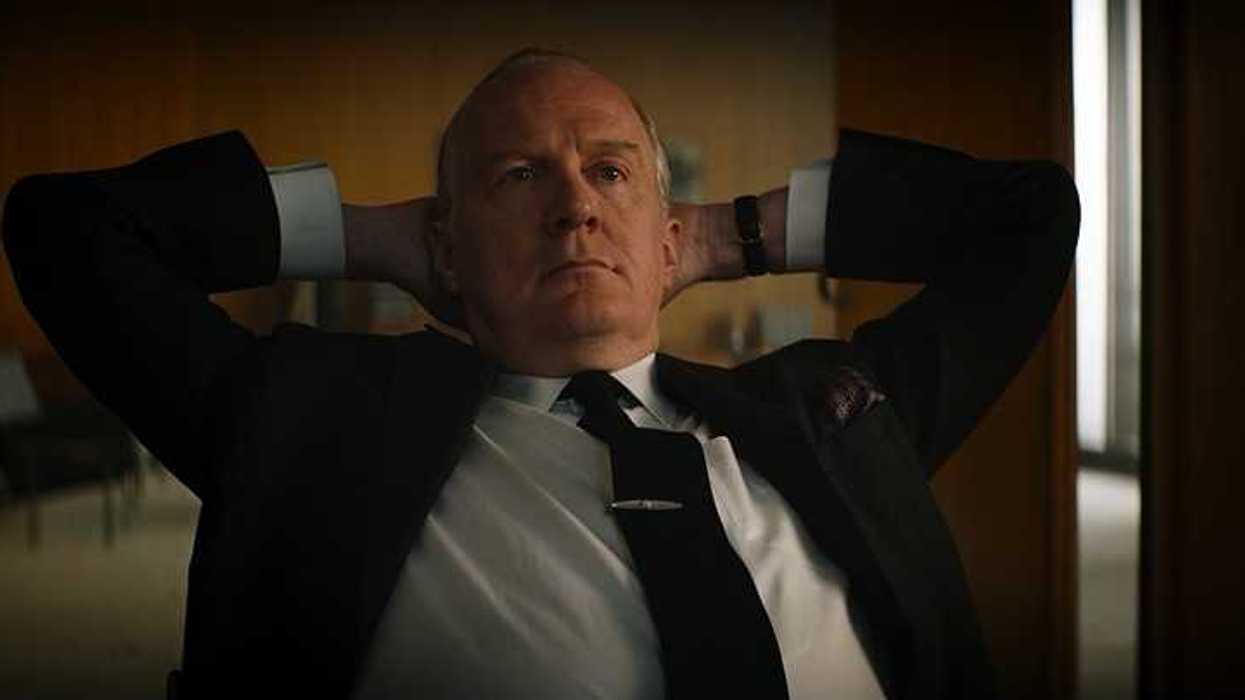
'Ford v. Ferrari'
Hollywood is not a fair place. The entertainment industry, in general, is not a fair place. I hate to break it to you, but life is not fair either.
It's frustrating because this lack of meritocracy, I think, costs us many great careers and stops great artists from taking chances. Because if you fail, you could feel it all slip away.
That's the reality I want to make sure we all understand as I approach this great video clip from The Big Picture Podcast episode with Tracy Letts.
In that episode, this particular clip caused a debate I wanted to bring to No Film School.
The basic gist is: When evaluating a director, writer, or actor, do you judge them by the height of their best work, or do you factor in their worst misfires?
Let's dive in.
- YouTube www.youtube.com
The Case for Judging Artists by Their Masterpieces
I think we can all agree, as Letts and host Sean Fennessy do, that making a movie is a miracle, especially in today's highly competitive Hollywood.
I mean, we don't have to go deep into it, but just getting financing for a script is like a minor miracle in today's world.
The general point is that when a director manages to wrangle hundreds of crew members, cast the right actors, hit the exact tone, and create something genuinely great, it’s an achievement against all odds.
That's why Letts argues that you should judge a filmmaker by their wins, not their losses. You never know what was going on behind the scenes, and you also want a world where filmmakers feel like it's okay to try something, because they can carry those lessons onto the next film and maybe make something great.
"It takes a failure to get to a success... If you make one great movie and it took you nine bad movies to get there." — Tracy Letts.
"I don't like to spend too much time on the films that don't work." -- Sean Fennessy
Think about legendary directors who have undeniable missteps on their filmographies.
I mean, Francis Ford Coppola made The Godfather, The Godfather Part II, and Apocalypse Now, and then in the 90s he also directed Jack.
You have someone like John Boorman, who directed the iconic thriller Deliverance and also made Exorcist II: The Heretic.
And we've gone over Steven Spielberg on here a ton, but in his massive list of films he's directed, he has a few that don't hold up, like 1941 and The BFG.
In a just and fair world, we understand that directors want to try new things, explore genres, or work with someone, and they may not give us an instant classic, but we, the audience, need to forgive that because the best artists just need chances to make art.
Why the Flops Still Matter for Filmmakers
Like I said at the top, the flops matter in Hollywood because this is a blend of art and commerce, and if you're not making anyone any money. They're going to silence you real quick.
In a perfect world, we just let the flops lie, but we don't live in a perfect world. And we have to acknowledge the flop for other reasons, as well.
Agency and Creative Choices
I like when Sean makes the point that when you're making a Hollywood movie, as many of the most powerful directors are allowed to, you have agency. You are picking the project and have creative agency, budget, and power.
So we have to look at the flop to see where they went wrong. Was it ego? Poorly spent money? Clashes with the studio?
You look at the flops for lessons you can glean on the craft.
Unflattening Cinema History
I also think it can get kind of boring to only talk about the hits. Sometimes, you want to watch a movie that doesn't quite work to inspire you. Or understand that all artists have flaws.
You want to dispel the false narrative that great directors simply step onto a set and produce genius out of thin air.
Flops can show a voice and visual style being discovered. They can humanize our favorite artists and get us to understand they're just people searching for the same things we are. To me, that humanization
Summing It All Up
So, how do you judge your favorite filmmakers? Do you forgive the rough spots, or do bad movies drag down a director's legacy? Let us know in the comments below!