Being a writer is hard, right? Hopefully you're passionate about the story and building interesting characters and doing all the little things you have to do to make a strong script.
And then you have to send it out. To actors. Gulp.
And actors read a lot of scripts, which is one of the best forms of storytelling education you can get. So they know ball. They can feel when a character leaps off the page, or a story feels alive. So impressing an actor with your work can be a worthy goal, especially because you need to actually attract talent to get something made.
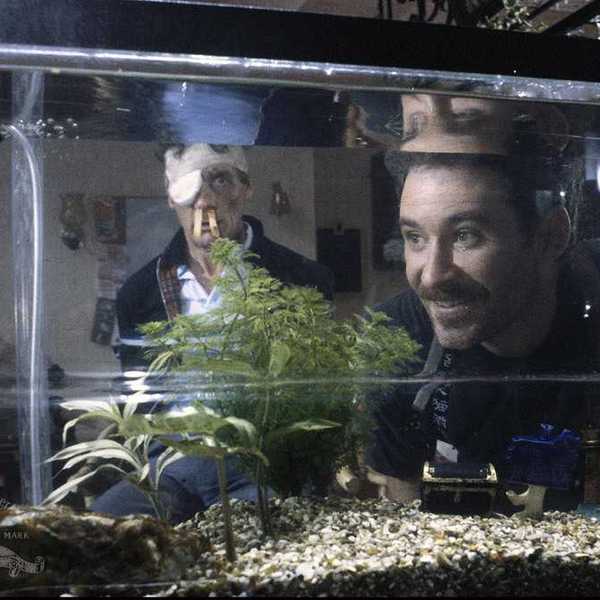
Rich Ronat has felt that, and he has some experiences we can learn from today. He's a genre screenwriter with over a decade of produced credits with Lionsgate and Millennium. He wrote a Nicolas Cage/Kelsey Grammer thriller, Grand Isle, American Sicario for Danny Trejo, war movie The Rising Hawk, and Crescent City, which starred Alec Baldwin, Terrence Howard, and Esai Morales.
He recently spoke with Film Courage and told a story about Grammer that might help aspiring writers focus their screenplays. Let's call it "the Kelsey Grammer Rule."
- YouTube www.youtube.com
What Is the Kelsey Grammer Rule?
While working on Grand Isle, Ronat says in the interview, the actor invited him over to run lines before shooting. Over gin and tonics, Grammer told him what he was looking for in a screenplay.
"Look, I can read a scene once and know if it's the writing's good."
He told Ronat that he should be able to memorize a scene after just one read. If he can't, the writing needs work.
On this night, the scene they looked at spanned four pages and included a long monologue for the actor. Grammer read it once.
They ran the scene, and Grammer gave his verdict.
"Okay, your writing's good."
Why It Works
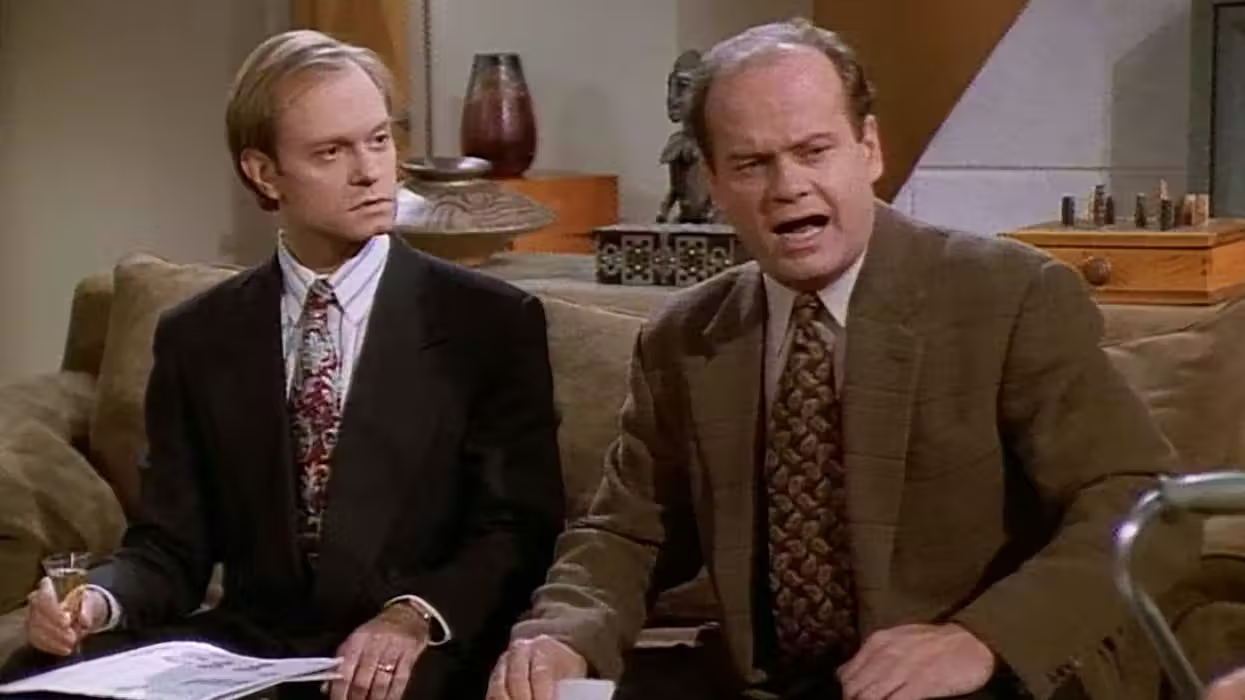
What a compliment! Granted, this is an extremely experienced actor with decades of theater and television experience under his belt. He was Frasier, for goodness sake. He's done Shakespeare. So he probably has some unique talents that allow him to memorize quickly like that. (Because four pages is kind of bonkers.)
But still, there's also probably some well-structured dialogue on the page that he's able to absorb quickly. If the dialogue is unfocused or outside the character's voice, maybe the writing doesn't track for him, and he can't save it with his performance.
Ronat paraphrased what Grammer was looking for in the writing after a first read. Does it have rhythm, flow, a clear character goal, an obstacle, an event in the scene, a clear beginning, middle, and end? And can you feel all of that quickly?
There are many scene elements here. Objective, obstacle, event, structure. If all those live in the framework, dialogue should fall pretty naturally into place, which makes it easier for an actor to follow.
Every scene should build tension or pay off tension. Learn more about writing dialogue for great scenes.
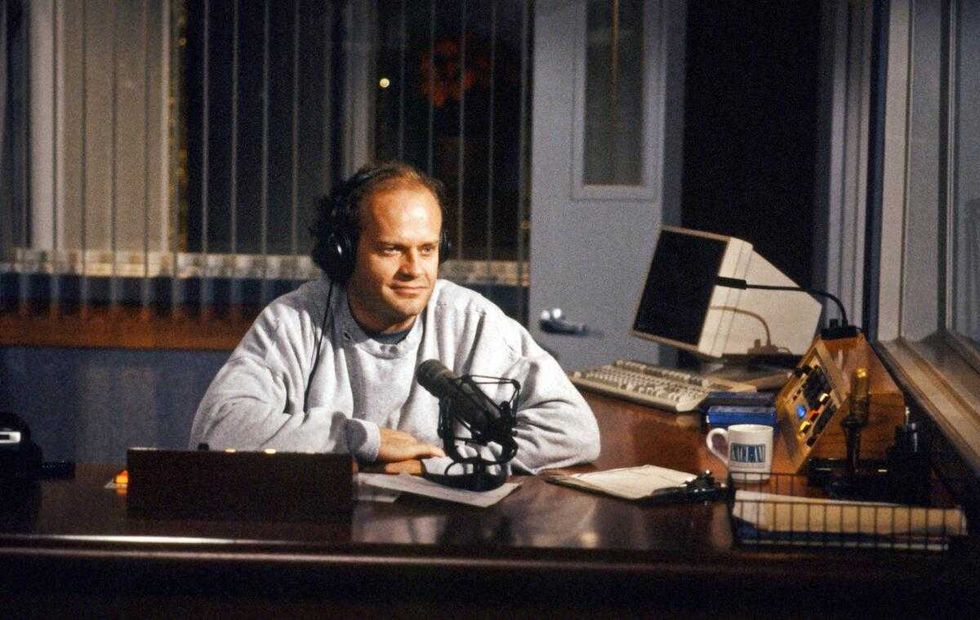 'Frasier'Credit: NBC
Testing the Rule
Try it with your own pages, either alone or with a friend who may or may not be an actor. (Kelsey Grammer not required.) Take a scene, read it once, and try to run it a second time without looking. Beats should cue each other, and lines should transition naturally. That's your rhythm and structure.
You might not have the exact wording down, but can you convey the big beats and emotions of the scene?
Even Ronat admits that not every actor can run back four pages immediately, even if it's the best writing of all time.
"I would say 99.9% of actors don't have that," he says.
Good dialogue should move like music. It needs peaks and valleys, contrast in speed. Any strong actor can identify those rhythms.
Remember That Dialogue Is Action
Grammer's desire to see objectives, obstacles, and events in dialogue reminds us of what we heard from Glenn Gers recently, too. Stop treating dialogue as information delivery and exposition, and start treating it more like action. Every line should do something, whether it's a character deflecting, stalling, pushing, or revealing.
When every line has an action, the rhythm of it all emerges naturally, because you're thinking about moves in a scene and not just sentences that fill time. That will also give you the beginning, middle, and end that all scenes should have.
Every scene should move the story forward in some way. Dialogue should contribute to that, obviously. Don't have characters just say mindless things or tell jokes. This will also help you keep the audience hooked.
What If the Writing Works, but the Movie Doesn't?
I say it all the time. Making movies is hard. A ton can go wrong.
So you can start with something really good on the page, but by the time audiences see it, tiny production factors and concessions can alter the story you actually wanted to tell. And the thing that reaches the screen might not be the thing you envisioned.
Ronat is honest in this conversation that Grand Isle didn't do well with critics. It has a 0% rating on Rotten Tomatoes and a 39% audience score. So it goes. You never really know, as an audience member, how a project ultimately came together or all the choices that led to what was released. And sometimes that final product just doesn't gel.
Ronat was obviously disappointed by these reviews. He said Grammer pulled him aside at a party later and told him not to take reviews too personally. If you ask 10 people for feedback, they'll all say 10 different things. And yeah, that's all part of it.
He told Film Courage that Cage perhaps understood his script best, but not everyone got it.
"Nic Cage brought a certain kind of dark humor that he only understood that I wrote and nobody else really did. Even the director just didn't really see the tone of what was in there."
Tonal issues are a whole other topic we don't have room to touch on here. But maybe one lesson to take away is that even if your dialogue is structurally good, do one specific pass with tone in mind.