5 Steps to Writing Better Dialogue
Just remember this one thing...
'Whiplash'
Tucker Berke is a screenwriter and coach who likes to keep the advice simple and straightforward. Rather than focusing on the big, standard tips like the importance of three-act structure or the hero's journey we all know, Berke zeros in on the mechanics that separate good scripts from the rest.
In one video, he focuses on dialogue and breaks down a five-step process he calls the "iceberg method." It's not flashy. But it fixes a problem that kills some scripts.
Does your character have an intention in every scene? Do they want something? Does their dialogue indicate that? If not, your dialogue likely feels overwrought rather than lived-in, forced rather than natural. But when you know what your character is trying to do in a scene, the dialogue practically writes itself. It becomes authentic because it emerges from want, not from what you need to happen "just because."
Check out Berke's video here.
- YouTubewww.youtube.com
Stop Writing Exposition
I understand, I really do, that writing dialogue is hard, especially when it's carrying such a huge load in your screenplay. It's revealing character, it's moving action forward, it's giving the audience information about the world and character backgrounds and desires. You're thinking about voice and making sure every character speaks differently.
But if you're super focused on all that, the dialogue probably won't sound like a real person talking. That kind of dialogue is just doing a job rather than living in the moment.
Imagine this. Your character walks into a room and says, "I'm a construction worker," when the audience has no reason to know his job yet. That's weird. You have to make sure you create the context that validates this information being shared, and you might want to give him a more creative way of saying it.
In Goodfellas, Henry tells a stranger exactly this. "I'm in construction."
He's on a date, so this information would get brought up organically. But the subtext is everything.
We know Henry is a gangster. We know he kills people. We know he steals. So that single line tells us he doesn't trust this person yet, so he's feeding them a normal-sounding job instead of the truth.
There's weight behind it. The audience figures it out on their own, and it feels like a real conversation rather than exposition. This is what separates serviceable dialogue from dialogue that sings.
5 Steps: The Iceberg Process
Berke's approach breaks down into five steps, but they're not separate exercises. They build on each other.
The first step is giving yourself permission to write badly. Get the surface-level version down without worrying about subtext or cleverness. Vomit draft! Just write what your characters would talk about on the most basic level. Nobody sees this but you, so it doesn't need to be great yet.
Once you have that rough dialogue, figure out what the scene is actually about. Of all the talking happening, one detail matters. Everything else revolves around that single truth.
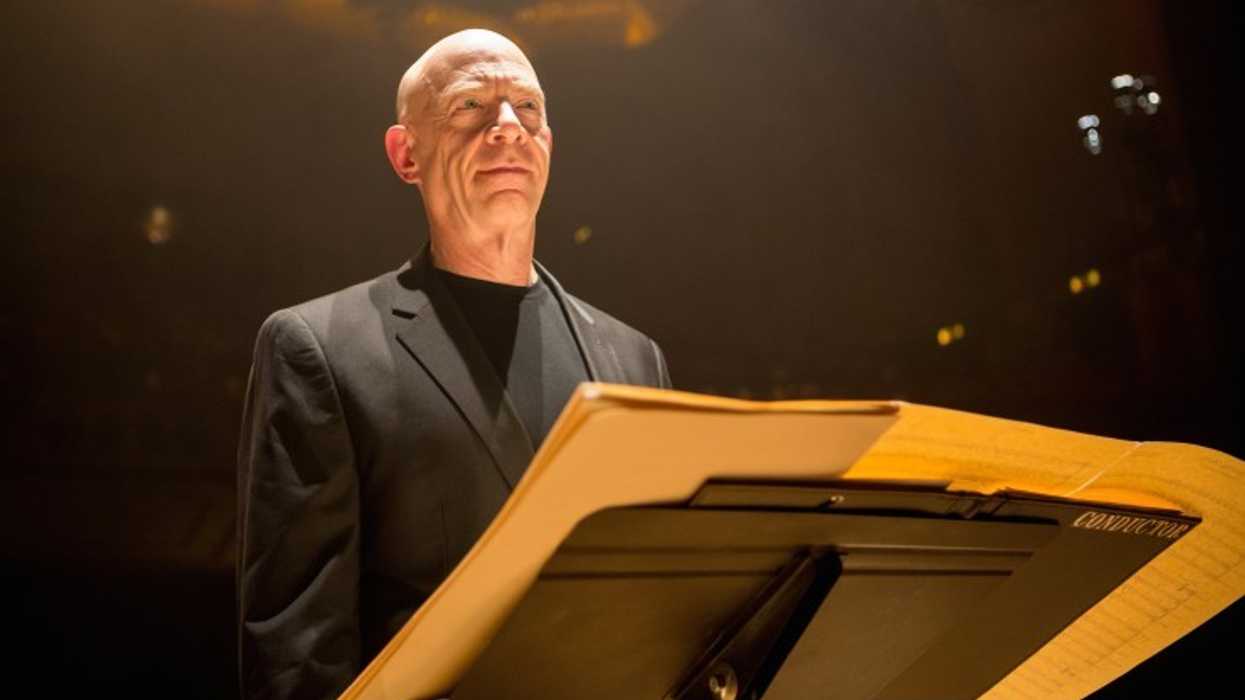
Near the end of Whiplash, Fletcher sits down with Andrew and tells him he got fired. The conversation sounds like it's about employment, but the real purpose is to convince Andrew they're on good terms so Andrew will rejoin his band. When you know that purpose, every line becomes a tool to achieve it.
- YouTube www.youtube.com
Now we think about character goals, and this is the make-or-break step.
Every character needs one. Not just the protagonist. A goal could be external (winning the business deal) or internal (avoiding humiliation, earning respect, feeling safe).
In Good Will Hunting, Will asks a character, "Do you like apples? Well, I got a number. How do you like them apples?" This isn't filler, although it kind of sounds like it. He's asserting dominance over a guy who didn't get a girl's number. That's his goal in the scene.
Without a clear goal in every scene, conflict disappears, and dialogue feels empty.
Even Pulp Fiction's famous "Royale with Cheese" conversation has a goal. The goal is for Vincent and Jules to be coping. They're about to kill people, something deeply disturbing, no matter how many times you've done it. So they talk about Paris and burgers until the second they open the door and switch into hitman mode.
Next, let personality determine how they pursue that goal. In Whiplash, Fletcher wants Andrew to think they're on good terms. But Fletcher is angry and smart, so he doesn't just say, "Hey, let's be friends." He manipulates him.
A different character might pursue the exact same goal completely differently. Maybe through threats or blackmail. Maybe they just blurt out the truth.
Imagine a character is trying to play a prank on an office coworker. Maybe they break their chair (Chair Company, anyone?).
But then the wrong person, maybe their crush, starts to sit in that chair. How would the character stop their crush from sitting down? Would they try to distract them with a joke? Would they make an emotional appeal? Would they be honest about the situation? Would they just boss the other character around? Would they say nothing at all? Each reaction is a totally different character, and there are a dozen ways for you to approach each response.
The last step in the iceberg is refinement. Remove anything that doesn't serve the character's goal. Does this line help them get what they want? Is this how my character would pursue it? If it doesn't meet both criteria, it goes. This is where you polish without rewriting from scratch.
The Subtext of It All
Because you know what your character wants internally and externally in every scene, you can understand what they're really trying to say. You know what's driving every word and pause and interruption.
In reality, we don't always go into conversations with a goal. Sometimes you just want a mindless chat with a friend. But even then, it is going to be really, really rare that two people are just saying exactly what they're feeling and thinking.
So go outside and listen to how people talk around topics. Get inspired. And write better dialogue.
- Tarantino's Trick for Learning to Write Dialogue ›
- 10 Tips for Writing Dialogue for Film and TV ›
- Learn How to Write Dialogue for Film and TV ›
- The 3 Things Every Line of Dialogue Has to Do ›
- The Editing Process Behind Dialogue-Driven Drama 'The Revisionist' | No Film School ›
- The Kelsey Grammer Rule for Writing Better Dialogue | No Film School ›