Tarantino's Trick for Learning to Write Dialogue
One of the masters of strong dialogue shows us where he started.
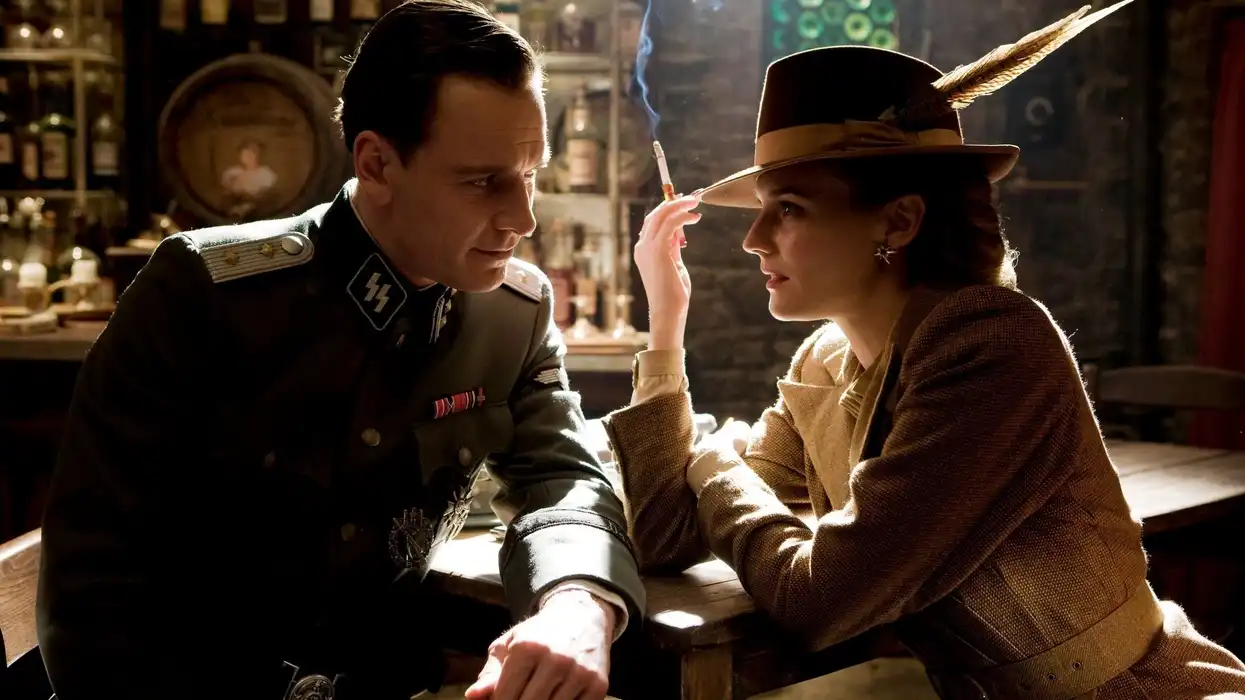
Inglourious Basterds
If you're a writer, you know we're all aspiring toward great dialogue. Dialogue that's tense, exciting, melodic, and full of subtext, or maybe punchy and raw.
Many will point to writer/director Quentin Tarantino as an aspirational example, especially because his films have some of the most tense and heavy dialogue scenes in cinema.
A few years back, Tarantino sat down for a town hall-style discussion with SiriusXM in which he discussed his writing and filmmaking. One participant asked about Tarantino’s influences in dialogue, which led him to discuss how he got started as a writer and where his style of dialogue comes from.
Check it out.
- YouTube www.youtube.com
Tarantino said his acting background led him to a grasp of writing dialogue.
“I used to be an actor, and I'd be in acting classes. Part of your thing in acting classes is to drum up scenes to do. I always wanted to do scenes from movies and stuff, and I didn't have access to any scripts or anything like that, so I would go and watch a movie. And then I could remember—I had a good memory—so I'd remember the scene. I'd go home and write the scene down, and whatever I didn't remember, I would just fill in the blanks myself. Well, little by little, I would just start filling in more blanks and more blanks and just kind of go off and do my own things and add to the scenes. That was my first attempt at writing dialogue with stuff like that.”
Tarantino wrote out a scene from Marty from memory, adding a monologue about a fountain that wasn't in the original script. His acting classmate, Ronnie Coleman, who had the original script, pointed this out and said Tarantino was "as good as Paddy Chayefsky."
So it sounds like Tarantino, as an actor, would hone in on the scenes he wanted to perform because the dialogue was already strong.
But through his process of remembering (and essentially rewriting) the scenes, he learned what he liked on the page well enough until he was able to branch out and start writing his own scenes.
Being an actor is certainly helpful in knowing what dialogue works rhythmically and realistically. That's why you'll often hear writers get told to take an improv or acting class.
If you're not able to do that, there's still value in reading your work aloud. You can also stage a table read.
This also highlights the value of reading and watching a wide range of excellent work. Sometimes, through osmosis, you get a feel for what resonates with you and start absorbing those skills for your own writing.
Let us know your thoughts.
- Exploring How Quentin Tarantino Uses Violence in His Films | No ... ›
- The Quentin Tarantino Approach to Becoming a Successful ... ›
- Quentin Tarantino's Super Old-School Writing Habit | No Film School ›
- Dialogue Does Not Have to Sound Natural... It Has to Sound Good ... ›
- How Do You Balance Dialogue and Action in Screenwriting? | No ... ›
- 9 Iconic Lines From Martin Scorsese Movies ›
- 7 Best Lines From ‘No Country For Old Men’ – Ranked ›
- The Three Things Every Line of Dialogue Has to Do ›
- 7 No-Nonsense Quotes That Made Gene Hackman A Legend ›
- 5 Incredible Movies Quentin Tarantino Helped Create But Didn’t Direct ›
- Five Steps to Writing Better Dialogue ›
- The Kelsey Grammer Rule for Writing Better Dialogue | No Film School ›