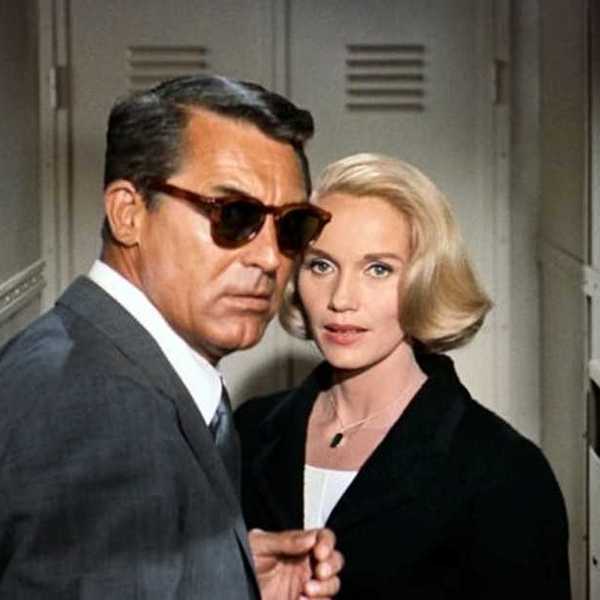
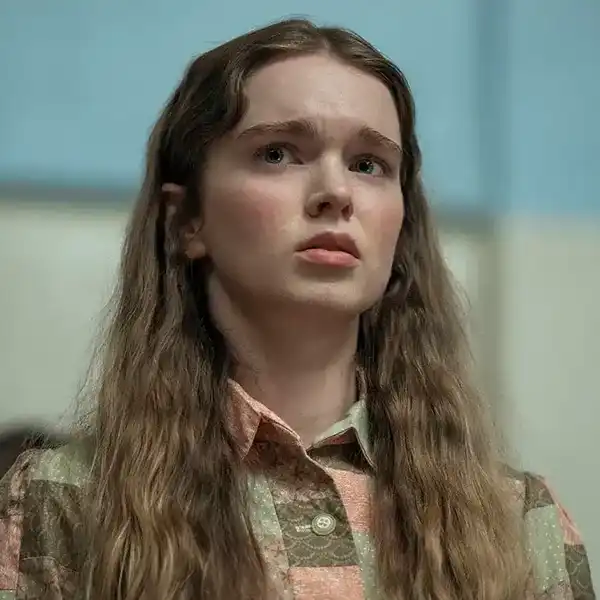
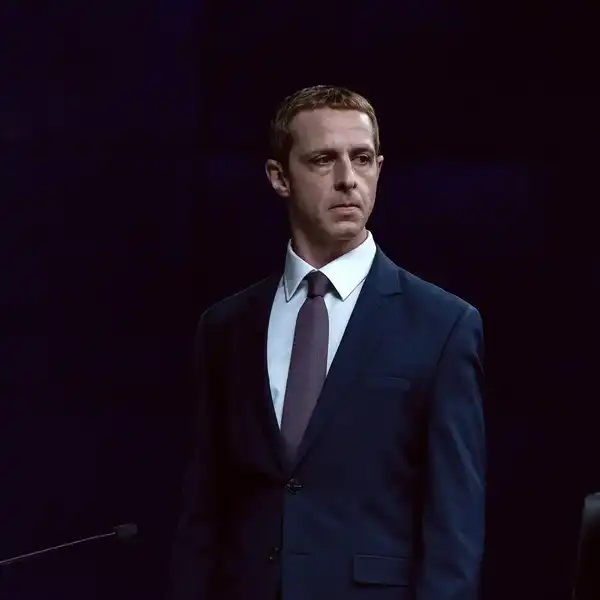
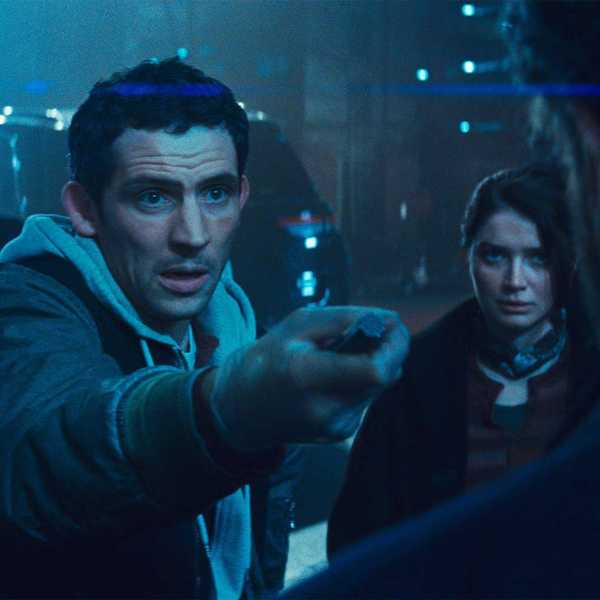
What's the hardest decision you've ever had to make? Was it ever choosing between two lovers? I don't think I've even been that lucky, but a guy can dream.
As it turns out, I think everyone loves dreaming about being caught in a love triangle, because they're all the rage on TV and movies right now.
Look at what's hitting right now: the high-stakes psychodrama of Challengers, the fandom-fueling tension of The Summer I Turned Pretty, the courtly conflict in Bridgerton.
The love triangle is alive and well across media.
Let's dive in.
- YouTubewww.youtube.com
Love Triangles Are Conflict Generators
I've been watching a lot of The Summer I Turned Pretty (my wife loves it), and I have to admit, having two different guys to pick from or root for is very fun. Despite the lead character being from Philadelphia and not having an accent or wearing any team gear, and for some reason going to Cape Cod and not the Jersey Shore, I find it to be sweet.
But my screenwriter brain unpacks every episode structurally, and I am endlessly impressed by how much conflict gets imbued on every page.
Story is conflict, and the love triangle is a conflict machine that runs on two parallel tracks: internal and external.
- Internal Conflict: Your protagonist is torn. This isn't just about who to date; it's about who they want to be. In The Summer I Turned Pretty, each suitor represents a different path, a different future, a different version of themselves. And because they're brothers, you also have to pick how each of them makes you feel and how it will affect the others. That indecision is pure, character-driven drama.
- External Conflict: Now you have two other characters actively pursuing a single goal. This creates immediate scene-level tension. You get jealousy, rivalry, miscommunication, secret alliances, and public confrontations. It gives you a reliable source of dynamic scenes that can carry you through a sluggish second act. The plot isn't just happening to your characters; it's being driven by their competing desires.
Love Triangles Create Character Arcs
A love triangle is the ultimate crucible for character development and character arcs. The central choice shouldn't be easy, because a hard choice reveals character.
When you have a protagonist trying to choose between two people, you create an incredibly hard choice. And you give all the side characters hard choices as they make their romantic pleas.
Think of the two suitors as thematic mirrors.
They reflect different facets of your main character's personality and force them to confront their own needs and flaws.
The journey of navigating the triangle is the journey of self-discovery, and it has a tangible end: they have to pick someone, or no one
No matter what, they aren't the same person at the end of the triangle as they were at the beginning.
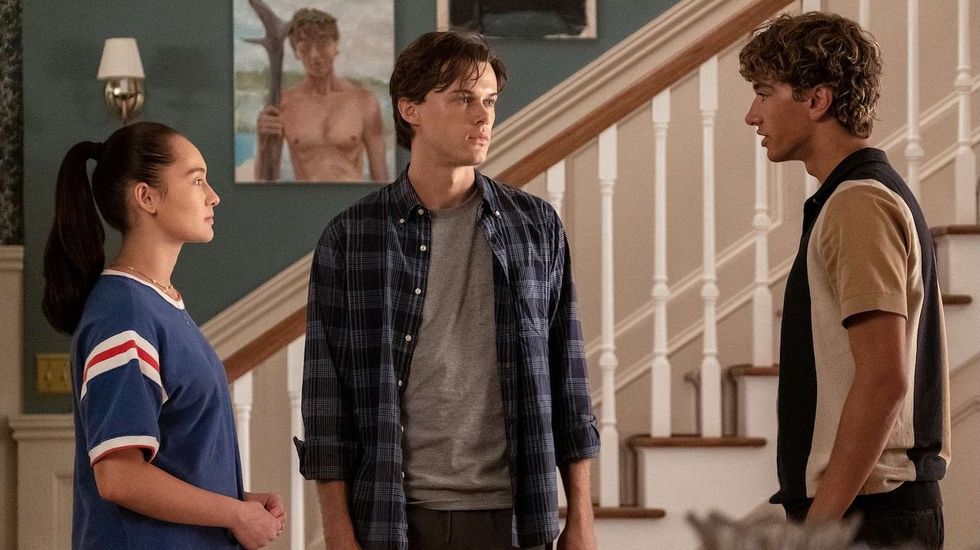 'The Summer I Turned Pretty'Credit: Amazon
How to Write Love Triangles Without the Cringe
At this point, you're probably thinking of all the cringy love triangles that feel like tropes or feel like they don't have real stakes.
But this trope only feels cheap when it's lazy.
So, here's some advice to supercharge your love triangles on the page.
- Make Both Choices Genuinely Viable. The biggest mistake is creating an obvious "right" choice and a "wrong" one. If one suitor is a perfect gentleman and the other is a toxic jerk, there’s no tension. We're just waiting for the protagonist to catch up. Both suitors need compelling strengths and realistic flaws. The audience should be just as torn as your hero.
- The Choice Must Represent More Than Romance. The decision can't exist in a vacuum. It has to be tied to the story's central theme. In The Hunger Games, the choice between Peeta (hope, humanity) and Gale (rebellion, rage) is a choice about what kind of future Katniss wants to build after the war.
- Give Everyone Agency. Your protagonist can't be a passive pawn bouncing between two people. They need to make active choices (even wrong ones) that drive the story. Likewise, the two suitors shouldn't just be archetypes; they need their own goals, motivations, and lives outside of their pursuit of the protagonist.
Summing It All Up
Love triangles are one of those things I think more writers should employ. It’s a narrative engine that can inject instant conflict and hook your audience. It gives you something to root for and a reason to tune into a TV show or movie.
Let me know what you think in the comments.
- 'Miller's Crossing,' the Coens' Forgotten Gangster Epic, Turns 30 ›
- What Steven Spielberg Note Changed the Ending of 'Twisters'? ›
- How Does 'Brooklyn' Create the Perfect Love Triangle? ›
- What We Know So Far About the 'Summer I Turned Pretty' Movie | No Film School ›
- Film Quote of the Day: The Funniest Last Line from One 1959 Hollywood Classic | No Film School ›