Nothing in the world feels better than typing FADE OUT on your brand new pilot screenplay. As soon as that happens, I suggest you reward yourself and spend an afternoon dreaming, because the rewrite will be maddening.
I know how it feels, you're going through beat by beat to make sure the script is perfect before sending it out.
You know the serial killer, a quirky best friend, and a monologue about late-stage capitalism are all working but something is amiss.
Before you upload it to the Black List or your favorite screenwriting competition, you know it has to feel perfect.
So what do you do?
Today I want to go over some of the most common things I've found are wring with TV pilots and help you go over you own to figure out what you need to fix.
Sound good? Let's dive in.
Your TV Pilot Has Something Wrong With It
I want to jump in early and tell you that I am not a perfect writer. I get things wrong all time time, and I am the king of rewriting. But that rewriting is where I unlock my best voice and what makes my stuff good...eventually.
Look, writing a pilot is the hardest thing to write in Hollywood. Why? Because it’s not a movie. It’s not even an episode of television. A pilot is basically a sales pitch for a 100-episode machine that can last years and capture hearts and minds.
Most pilots that cross my desk aren't "bad." They're just missing something.
Maybe They're all setup and no delivery. They're a first act, not a complete story. They have a plot that works but characters who don't grab me.
So, before you hit send on that PDF, let's run the diagnostics. Here’s what’s probably missing from your TV pilot script.
I know these things because they're what's missing from most of mine.
 'Bel-Air' CREDIT: Peacock
1. The Engine
I will scream this from the top of the Hollywood sign until I am arrested: Your pilot must introduce the series engine.
We call this having an idea with legs, aka an idea that can carry multiple episodes and seasons of a story.
The engine is the self-sustaining conflict. It’s the "thing" that creates new problems every single week, long after your pilot story is over.
It’s the "Why" of Season 1, Episode 2.
- In Breaking Bad, the pilot story follows a mild-mannered teacher decides to cook meth. The engine is: How does a good man maintain a secret criminal empire, provide for his family, and survive the monsters he’s now in business with? That engine can generate many seasons of conflict.
- In The Good Place, the pilot follows a bad person gets into heaven by mistake. The engine is: How does a selfish person learn to be good while hiding in plain sight from a celestial being who knows she doesn’t belong? We understand that she has to be working at this every episode along the way.
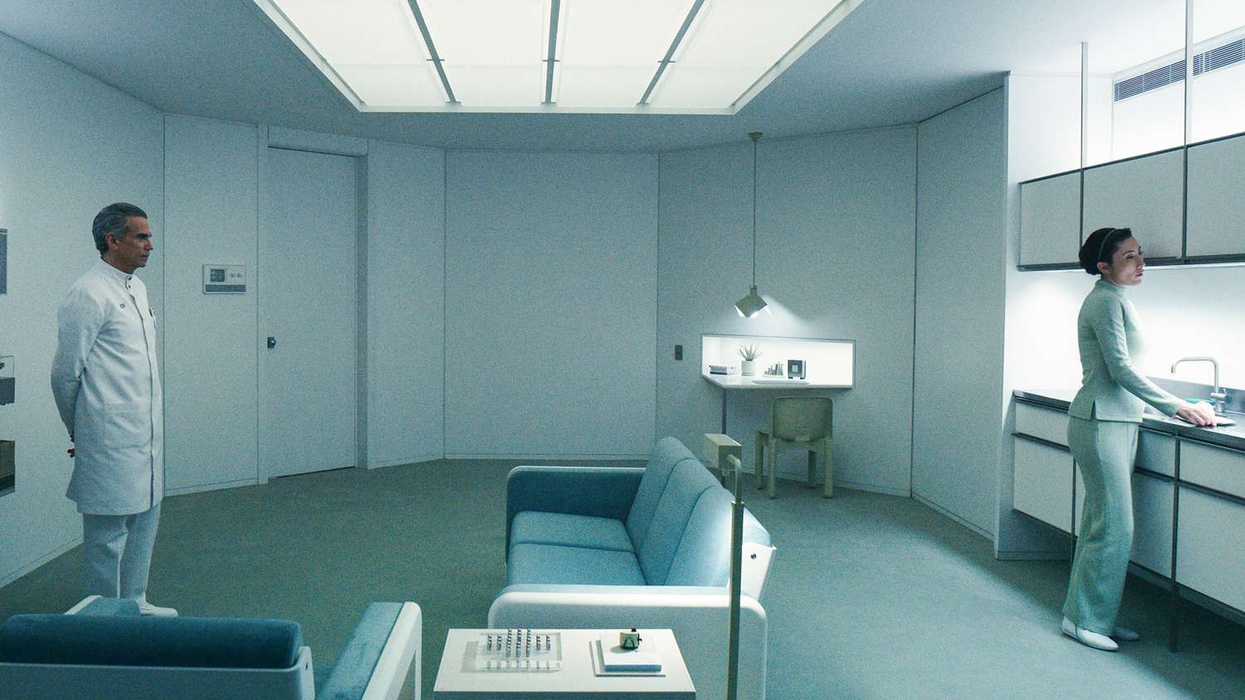
- In Severance, the pilot follows a new employee completes her "severance" procedure. The engine is: How do these "innies" figure out who they are and what their "outies" are doing, all while under the thumb of a mysterious corporation?
If your pilot solves the central problem, you didn't write a TV show. You wrote a short film. A pilot introduces the problem and proves to the audience that this problem will continue to occur and deepen as long as they're watching.
 'Breaking Bad' Credit: AMC
2. Exposition But No Plot
I often read pilot scripts that spend 30 pages introducing the hero, her annoying boss, her childhood trauma, her ex-boyfriend, and the way she likes her coffee. But the real story doesn't even start until the last ten pages.
It feels like someone who has totally figured out their character but not the reason why we're going to be with them in this TV show. Your pilot can't just be a resume for your characters. It needs to have a story: A beginning, middle, and end for this episode.
Don't tell us your hero is a brilliant-but-troubled detective. Show us him solving a case today in a brilliant-but-troubled way. That's the episode.
 'Community' CREDIT: NBC
3. A Teaser That's a Promise
The first ten pages of any screenplay are really important, They have to set the tone for everyone and everything to follow. And for a pilot, you really want to grab the reader right away.
The first 2-3 pages of your script are the teaser. They must do one of two things:
- Introduce the central question/conflict of the series.
- Introduce the unique, undeniable tone of your world.
Think about the teaser for Lost. A man in a suit wakes up in the jungle. He's confused. He finds a dog. Then... chaos. Fire. A plane crash. Screaming. We are IN. The tone is mystery and survival. The question is "Where are we?"
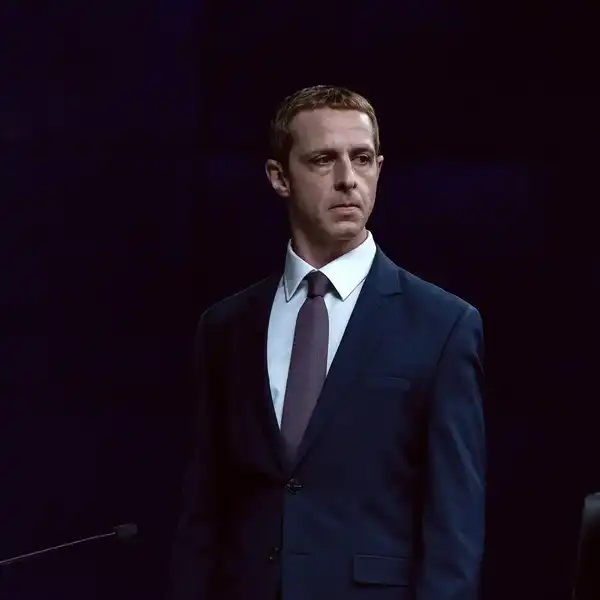
Think about the teaser for Succession. Kendall Roy, blasting rap, shadow-boxing in the back of a luxury car, ready to close the deal of his life... only to have his father, Logan, walk in and pull the rug out from under him. The tone is a savage corporate comedy and we want to know who will win.
Your teaser is your first, best shot. Don't waste it on an alarm clock going off.
 'Succession' Credit: HBO
4. A 'Why' for Your Protagonist
Why are we following this protagonist right now? What is it about your hero's deep, internal, fatal flaw that makes them the only person who can (or, more interestingly, the worst person who must) be the star of this show?
This isn't just for readers, but it's also important for an actor to know what's happening and why they're in the mix.
The best pilots are an external conflict that brings out an internal conflict.
- In Fleabag, the "plot" is minimal. But the character—her grief, her guilt, her chaotic energy, and the people in her life—is the show. We understand she's going through this thing right now and we're going to follow her.
- In Ted Lasso, the plot is "American coach goes to the UK." The show is about what happens when relentless, radical optimism (Ted's internal state) slams into British cynicism around him knowing how to coach a team(the external conflict).
We need to know why we should care about the person it's happening to and what they're going to do about being in this situation.
 'Fleabag' CREDIT: Amazon Prime
Summing It All Up
If you do, then it's time to take it out into the world. If not, then it's time to go back to the writing table and get more ideas down.
The world has enough "meh" TV. Go make something undeniable.
Let me know what you think in the comments.