One of the best things about Netflix is that they're super open with all their policies. And when it comes to using AI in your projects, you want to make sure you have things totally clear.
AI is one of those hot-button issues that's both controversial and inevitable. It's here, and we have to deal with it. But it doesn't mean we have to use it, and it doesn't mean we don't have to follow the rules.
That's because most companies are setting very specific instances where AI can be used, and Netflix is no different.
Let's take a look at their rules.
Netflix's AI Rules
Netflix released this document, which dictates how creators can use AI in tandem with this platform.
In the doc, Netflix highlights five guiding principles that filmmakers should be aware of when making things for Netflix:
- The outputs do not replicate or substantially recreate identifiable characteristics of unowned or copyrighted material, or infringe any copyright-protected works
- The generative tools used do not store, reuse, or train on production data inputs or outputs.
- Where possible, generative tools are used in an enterprise-secured environment to safeguard inputs.
- Generated material is temporary and not part of the final deliverables.
- GenAI is not used to replace or generate new talent performances or union-covered work without consent.
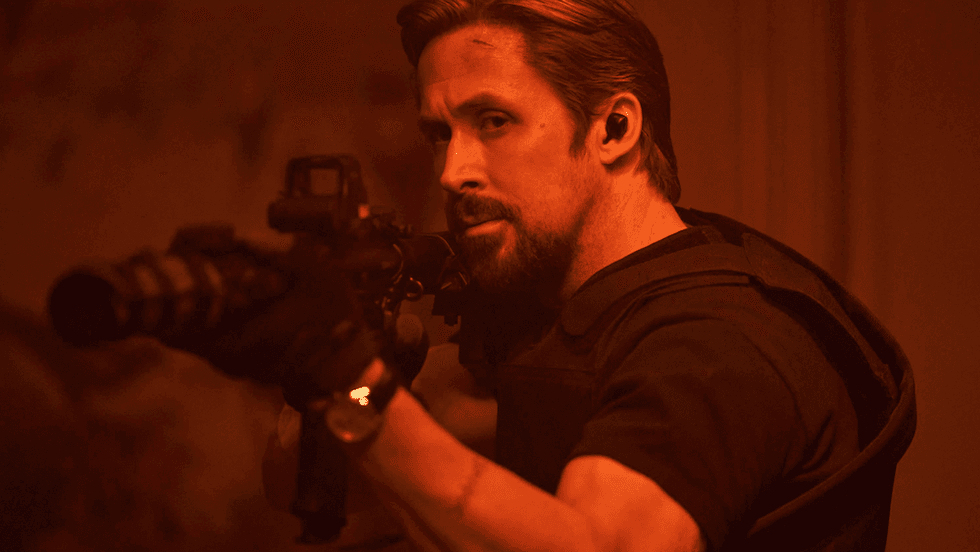 'The Gray Man' CREDIT: Netflix
Generative AI
It's clear that Netflix is worried about generative AI. Over and over, they say they do not want anyone using their content for generative AI, and also want anything made by AI to be at risk for losing copyright or for them being sued.
They're also very particular with AI when it comes to people; they want all AI replicants to have clearances, and even if you're changing actors' voices or parts of their performances, they want legal paperwork, and they want to make sure you follow all union rules.
Netflix explicitly states: "GenAI should not be used to generate main characters, key visual elements, or fictional settings that are central to the story without written approval. Examples: GenAI is used to generate a second killer doll to play the red light/green light game with Young-hee in Squid Game."
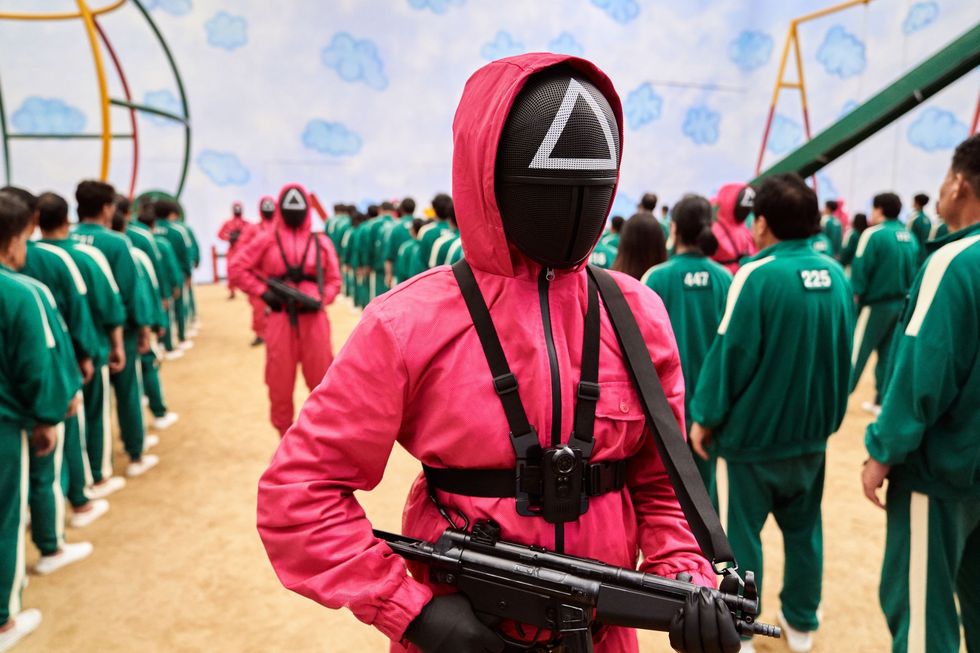 'Squid Game' CREDIT: Netflix
Summing It All Up
Netflix is at the forefront of major streaming services by openly using AI in its final productions. CEO Ted Sarandos celebrated this by noting how AI helped create a visual effects sequence for the show The Eternaut ten times faster and within budget.
But the company has also faced backlash, particularly for using AI-generated images in the documentary What Jennifer Did, which undermined the film's commitment to truth.
Netflix is very carefully balancing the financial advantages of AI against the risk of controversy. And since they released their rules first, they are kind of setting an industry-wide standard for how this technology is used.
Let me know what you think in the comments.
- Did This True Crime Doc Use AI Images? ›
- Why Netflix Is Using Machine Learning To Train AI To Do Match Cuts ›
- Netflix's Ted Sarandos Offers an Interesting Perspective on AI Use ›
- Netflix Begins Using AI-Generated Ads ›
- Netflix Acquires Ben Affleck-Backed Start-Up Which Promises to Provide AI-Powered Tools for Filmmakers ›
- Netflix is Building an AI Animation Studio... Should We Be Worried? ›