Film Quote of the Day: The 'Old Henry' Line That Proved Appearances Can Be Deceiving
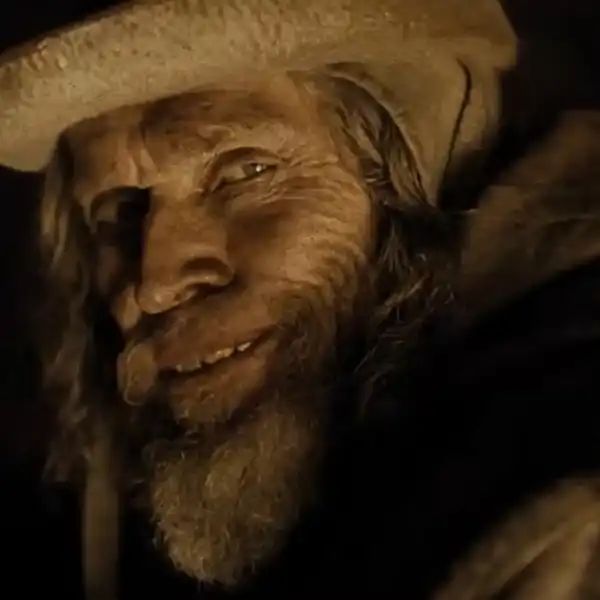
"It can be hard to tell who and what a man is, he's got a mind to convince you otherwise."
'Old Henry'
We tend to think of Westerns as a genre that comes from the past, but with Spielberg saying he wants to do a Western next and the robust state of television taking on this genre, I think it may be making a comeback.
That brings me to a cool indie film I caught on Netflix called Old Henry. It's a Western with a great cast that subverts some old tropes and has a few screenwriting lessons to boot.
And it's in the Netflix top 10 right now, so I think people are catching on.
Writer/Director Potsy Ponciroli put a lot of effort into getting a massive twist to land via misdirection he hid in plain sight with one line.
Let's dive in.
- YouTubewww.youtube.com
The Scene In Question
Go watch Old Henry. As I said at the top, it's in the Netflix top 10, and I think that maybe signals that people are looking for Westerns. It might be time for a big revival of the story and genre.
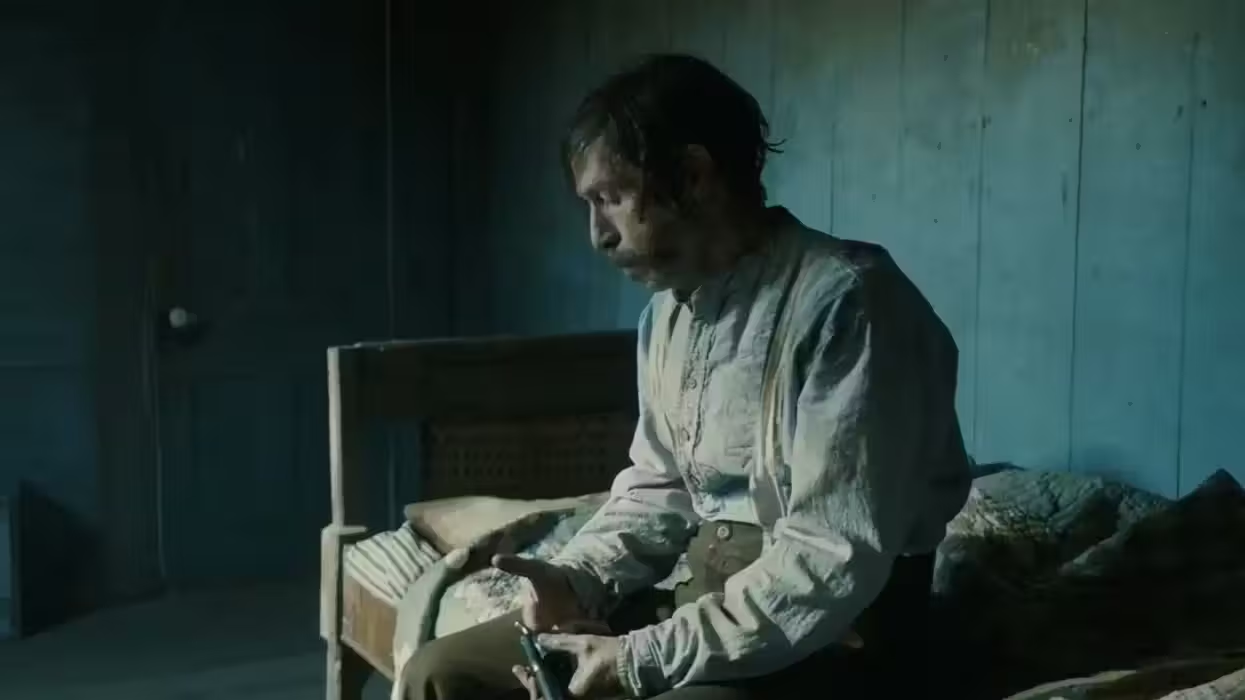
It's a story about an old farmer named Henry (played by the awesome Tim Blake Nelson) trying to raise his son on an isolated patch of land in 1906 Oklahoma.
Henry and his kid have this predictable, mundane life that you know is about to be interrupted by something big.
Those story tropes ease you into the story, which seem familiar, until they're not. Early in the film, Henry drops this bit of dialogue via voiceover.
"It can be hard to tell who and what a man is, he's got a mind to convince you otherwise."
That line winds up setting up the plot of the rest of the film.
Weaponizing Subtext for the Twist
On first viewing, it sounds like standard, philosophical cowboy wisdom that rolls into the star of a film. We're getting a perspective and a philosophy shaped by travels.
But underneath that line is a blueprint for the movie's plot twists. The subtext tells you exactly what the movie is actually about.
Okay, back to the story-Henry and Wyatt's lives change when they discover a wounded man named Curry on their property with a pistol and a satchel overflowing with stolen cash.
Henry helps Curry until a three-man posse led by a menacing figure named Ketchum arrives at the farm. They claim that they're lawmen and want the money this guy disappeared with.
It's here we get the central question of the movie that's summed up in the line of dialogue from the star...who are these men, good or bad? And will they reveal themselves to be one or another to Henry before things get violent?
This is a Western, so you know it all escalates.
The homestead comes under siege, and we get the quote twists, and we learn Old Henry isn't some loser farmer, but a killer these guys have poorly judged as well, and he begins to kill them one by one.
That's when we learn Old Henry isn't who we think, but actually the legendary, long-presumed-dead outlaw Billy the Kid.
You should watch the movie for the rest of the story.
The Takeaway for Screenwriters
For screenwriters, this line is an impeccable display of misdirection. We have this decoy character who then rises to become a legend, giving himself one last chance at redemption, defending his farm and son from outlaws who may have been just like him back in the day.
For writers, you learn that if you want to hide a character’s true nature, you can't just lie to the audience; you have to show them the truth disguised as something else.
This is a fun example of visual storytelling and planting and paying off certain traits and stories we've seen the whole time.
Here are a few strategies you can pull from this setup:
- Don't over-explain your themes: Trust that a line of dialogue can deliver the entire narrative retroactively once the twist lands.
- Let the action validate the setup: Once you've planted the seed in the dialogue, let the cinematography and character actions do the work of revealing the truth s that the truth feels earned for the audience.
Summing It All Up
This was a modern Western that I think was a fun watch. I'm hoping its success on Netflix shows more people that making these kinds of films shouldn't be a lost art, and that there's a healthy market for these kinds of stories.
What did you think of how Old Henry handled its identity twist?
Let me know in the comments below.