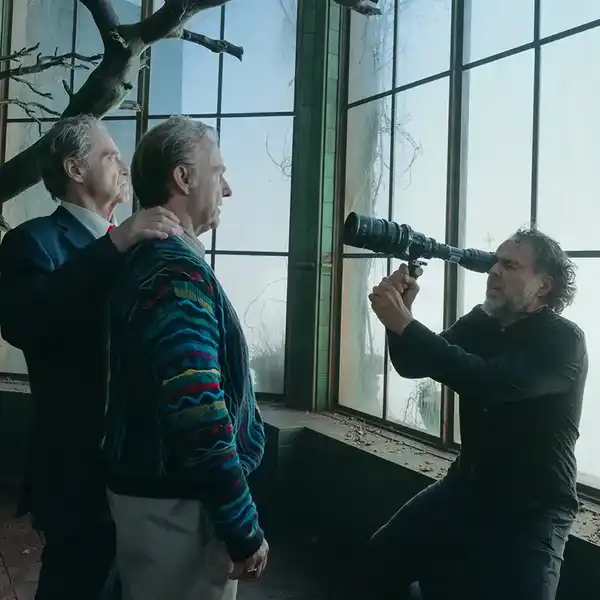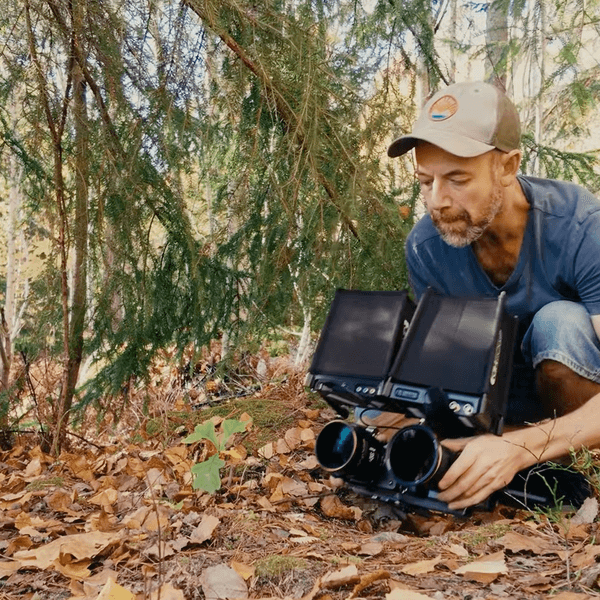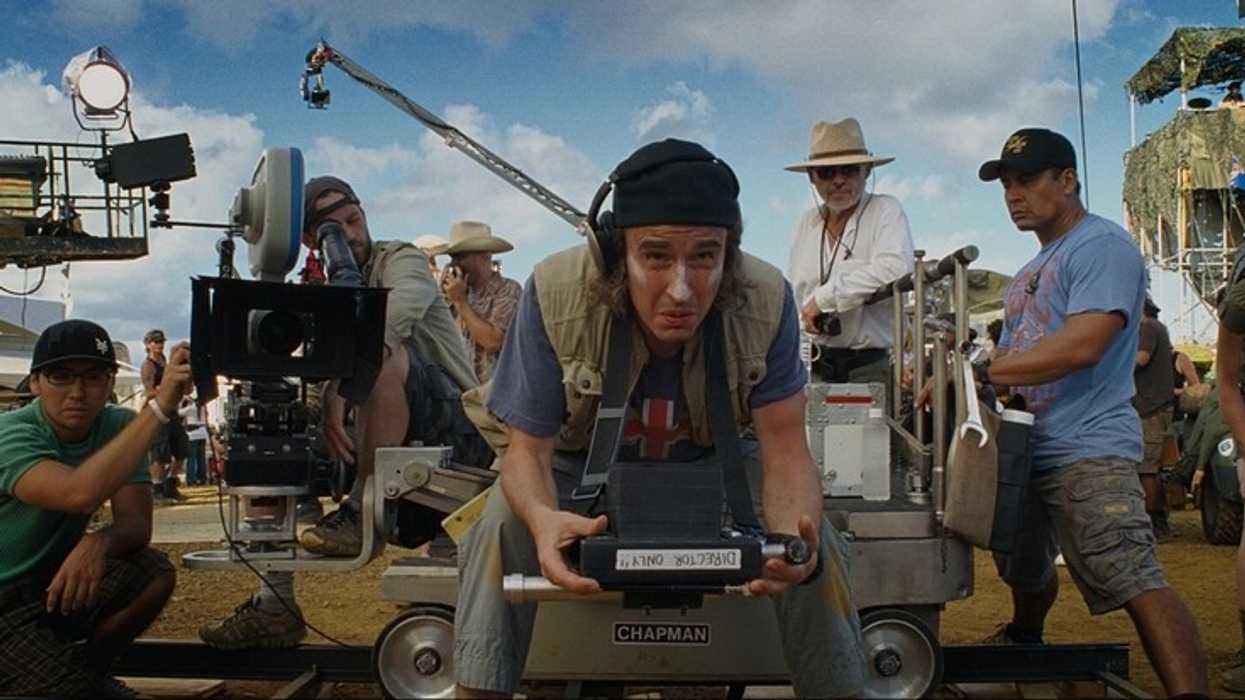
When I started working in Los Angeles, I started as a PA on film and commercials sets, and then worked as an assistant, and now, somehow, I'm a writer.
But I really liked my days as a set PA, running around, closing roads, carrying coffees, and just being enveloped by making movies and TV in Hollywood.
Today, I wanted to put together a glossary that every young PA can use to learn the terms they'll hear on film sets and fit in with everyone.
Let's dive in.
The Production Assistant Glossary
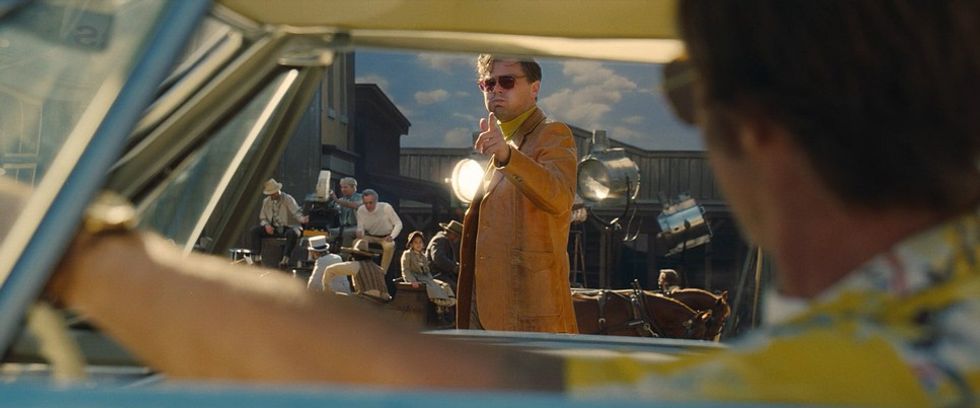 'One Upon a Time in Hollywood' CREDIT: Sony
 We broke this down into various sections to help make your first film set experience a little smoother. The more relaxed you get as a PA, the more you can move up the ladder and get other jobs.
But this is a great place to start.
Walkie Talkie Lingo
Before diving into the full glossary, you must master the walkie-talkie. It's your primary communication tool.
- "Copy": "I understand."
- "What's your 20?": "Where are you?"
- "Go for [Your Name]": "I'm here and listening. Go ahead." (Used when you hear your name called).
- "Stand by": "I hear you, but I'm busy. Please wait."
- "10-1" or "Flying In": "I need to use the restroom."
- "Going off walkie": "I'm taking off my earpiece and won't be able to hear radio traffic." (Only do this with permission!).
- "Keying the mic": Accidentally pressing the "talk" button, transmitting background noise. Avoid this!
The A-Z Glossary for PAs
A
- 1st AD (First Assistant Director): The AD runs on-set operations and scheduling. They are your boss on set.
- 1st AC (First Assistant Camera): The "Focus Puller." This person is responsible for keeping the camera's focus sharp. Do not stand in their line of sight to the actors.
- 2nd AD (Second Assistant Director): Helps the 1st AD. Creates the call sheet and schedules actors. Often manages the PAs.
- 2nd AC (Second Assistant Camera): Operates the slate (clapperboard), loads media, and maintains camera paperwork.
- Abby Singer: The second-to-last shot of the day. Named after a production manager who famously called it early.
- ADR (Automated Dialogue Replacement): Re-recording actor dialogue in a studio to replace unusable on-set audio.
- Apple Box: A wooden box used by grips to prop up or elevate equipment, furniture, and even people. They come in standard sizes: Full, Half, Quarter, and Pancake (or Eighth).
- Art Director: Works under the Production Designer to execute the look of the set.
B
- Background (or Extras): The non-speaking performers in a scene. PAs are often tasked with wrangling background actors.
- Backlight: A light that hits an actor or object from behind, separating them from the background.
- Barn Doors: The metal flaps on the front of a light that are used to shape the light beam.
- Basecamp: The central hub for a production, where the trailers, catering, and various department trucks are located.
- Best Boy: The chief assistant to either the Gaffer (Best Boy Electric) or the Key Grip (Best Boy Grip).
- Blocking: The process of rehearsing the actors' movements and the camera's position for a scene.
- Boom Operator: The crew member who holds the microphone on a long pole (the "boom").
- Bounce Board: A large white card or board used to reflect light, typically to act as a soft fill light.
C
- Call Sheet: The daily schedule and contact list for the entire production. This is the most important document of the day.
- Camera Operator: The person who physically controls the camera during a take.
- C-47: A wooden clothespin. Used by grips and electrics to attach gels to lights or for a million other things.
- C-Stand (Century Stand): A heavy-duty metal stand used to hold flags, scrims, and other equipment. (Watch out for these; they can be dangerous if not handled properly.)
- Checking the Gate: The 1st AC's final check of the camera's aperture for any dust or debris that could ruin a shot. Done after a particularly important take or series of takes.
- Company Move: When the entire production packs up and moves to a new location.
- Coverage: The collection of different shots (angles, sizes) filmed for a single scene to be used in editing.
- Crafty (Craft Services): The snack and drink table, available to the crew all day. A PA is often assigned to help manage it.
- Crane Shot: A shot achieved by mounting the camera on a large crane to get high-angle, sweeping movements.
- CTB (Color Temperature Blue): A blue gel placed over a light to make it match the cooler temperature of daylight.
- CTO (Color Temperature Orange): An orange gel placed over a light to make it match the warmer temperature of tungsten indoor lights.
- Close-Up (CU): A shot that tightly frames a person or object.
D
- Dailies (or Rushes): The raw, unedited footage from the previous day's shoot.
- Day Player: An actor or crew member hired for a single day.
- Deal Memo: A contract outlining the terms of employment for cast and crew.
- DGA (Directors Guild of America): The union for directors and members of the directing team (including ADs).
- Diffusion: A translucent material placed in front of a light source to soften its quality.
- DIT (Digital Imaging Technician): The crew member responsible for managing and backing up all the digital data from the camera.
- Dolly: A cart with wheels that the camera is mounted on, used to create smooth, horizontal camera movements.
- Dolly Grip: The grip in charge of operating the dolly.
- DP / DoP (Director of Photography): Also called the Cinematographer. The head of the camera and lighting departments, responsible for the visual style of the film.
E
- Establishing Shot: A wide shot at the beginning of a scene that shows the location and setting.
- Eyeline: The specific direction an actor is looking in a shot. It's crucial for continuity.
F
- Fill Light: A light used to fill in the shadows created by the Key Light.
- Fire Watch: When a PA is assigned to watch the set and equipment during lunch break to ensure nothing is stolen or damaged.
- First Team: The principal actors. When the AD calls for "First Team," it means they are needed on set for the shot.
- Flag: A black fabric panel on a metal frame used by grips to block light and create shadows.
- Focal Length: The distance (in mm) between the lens's optical center and the camera's sensor. It determines the field of view (wide vs. telephoto).
- Foley: The art of creating sound effects in post-production that are synchronized with the images on screen (e.g., footsteps, rustling clothes).
G
- Gaffer: The head of the electrical department, responsible for designing and executing the lighting plan.
- Gel: A colored plastic sheet placed in front of a light to change its color.
- Genny (Generator): The portable generator that provides power for the production on location.
- Grip: A crew member responsible for rigging and setting up non-electrical equipment on set.
H
- Hero Prop: A specific prop that is central to the story and often handled by the main actors.
- Holding: The area where background actors wait between scenes.
- Hot Points: A warning shouted when carrying something long and dangerous (like a C-stand or lumber) through the set.
- Hot Set: A set that is currently in use or has been prepared for shooting. Never touch or move anything on a hot set.
I
- IATSE (International Alliance of Theatrical Stage Employees): The union that represents most of the below-the-line crew members.
- Insert Shot: A close-up shot of an object or detail, often used to emphasize something important.
J
- Jib: A camera crane with a counterweight system that allows for smooth, sweeping camera movements.
K
- Key Grip: The head of the grip department.
- Key Light: The main and most powerful light source in a scene.
L
- Last Looks: The final chance for hair, makeup, and wardrobe to touch up the actors before the camera rolls.
- Lavalier Mic (Lav): A small microphone that can be clipped onto an actor's clothing.
- Lens: The optical element of the camera that focuses light onto the sensor.
- Lock It Up: A command from the 1st AD telling PAs to secure the set and prevent anyone from walking into the shot. This is a crucial PA duty.
M
- Martini Shot: The final shot of the day.
- Master Shot: A wide shot that captures the entire scene from start to finish. All the other coverage is cut into it.
- MOS (Mit Out Sound): A shot filmed without sound. The term is rumored to have come from a German director who would say "mit out sound."
- MOW (Movie of the Week): A feature-length film made for television.
N
- ND Filter (Neutral Density): A filter placed on the lens that reduces the amount of light entering the camera without affecting the color.
O
- On the Move: The call to announce that the entire production is moving to the next set or location.
P
- PA (Production Assistant): An entry-level crew member who does a little bit of everything. The backbone of the production!
- Per Diem: A daily allowance paid to crew members for living expenses when shooting on location.
- Picture's Up!: The warning shouted right before the camera starts rolling to let everyone know filming is about to begin.
- Prime Lens: A lens with a fixed focal length (it cannot zoom).
- Prop: Any object that an actor handles or uses in a scene.
- Prop Master: The head of the props department.
R
- Rolling: The camera is recording. Be silent.
- Room Tone: The ambient sound of a location, recorded without any dialogue. It's used in post-production to smooth out the audio track.
S
- SAG-AFTRA (Screen Actors Guild - American Federation of Television and Radio Artists): The union representing actors and other performers.
- Scene: A unit of action that takes place in a single location and time.
- Script Supervisor: The crew member who tracks continuity, dialogue, and camera coverage to ensure it will all cut together in post-production. Also known as the "Scripty."
- Second Team: The stand-ins for the principal actors. They are used on set while the crew sets up lighting and camera angles.
- Sides: Small, printed copies of the scenes being shot that day. PAs are often responsible for distributing these.
- Silk: A large piece of diffusion fabric used to create a very soft light source.
- Slate (or Clapper): The board used to mark the beginning of each take with the scene, shot, and take number. The "clap" provides a sync point for audio and video.
- Sound Speed: The call from the sound mixer confirming that their equipment is recording.
- Speed: The response from the camera operator confirming the camera is recording. This is the cue for the director to call "Action!"
- Stand-in: A person with similar height, hair, and skin tone to a principal actor who "stands in" for them during lighting setups.
- Sticks: Another name for the camera tripod.
- Stinger: An extension cord on a film set.
- Swing Gang: A group of crew members in the art department who build and take down sets.
T
- Take: A single, continuous recording of a shot. A scene might require multiple "takes."
- Tail Slate: Slating a shot at the end instead of the beginning. The slate is held upside down to signify this.
- Turnaround: The minimum number of hours of rest contractually required for cast and crew between wrap and the next day's call time (usually 10 or 12 hours).
V
- Video Village: The area on set where the director and other key personnel watch the live feed from the camera on monitors.
W
- Walk and Talk: A scene where two or more characters are walking while having a conversation.
- Wild Sound: Audio that is recorded on set without any accompanying video.
- Wrap: The end of the shooting day.
- Wrangler: A person hired to manage a specific element on set, such as animals (Animal Wrangler) or vehicles (Car Wrangler).
Z
- Zoom Lens: A lens with a variable focal length, allowing the operator to change the field of view without moving the camera.
Let me know what you think in the comments.
- A Glossary of Terms You Need to Know If You're Working on a TV Pilot ›
- A Glossary of 70+ Film Theory Terms Filmmakers Must Know ›
- A Glossary of Screenwriting Terms You Should Know ›
- A Glossary of Terms Cinematographers Must Know ›
- Everything You Need to Know to Talk About Film History Like a Pro | No Film School ›
- What Are All The Tools You'll Find on a Movie Set? | No Film School ›
- Creating a Complete Person: The Character Glossary ›
- The Virtual Production & Volume Glossary ›