When I'm writing a screenplay, I get really attached to the characters, and I hate to see them suffer. But the thing is, you really do have to make them suffer in order to tell a good story.
As Henry Boseley from The Closer Look argues in his latest video essay, if you don’t get the audience to care about your character early on, your story is "kind of doomed."
And the way you get them to care is that you make stuff go wrong for them. Sometimes, it can be unbearable.
In the video, he used the post-apocalyptic world of Fallout as a case study. Specifically, the tragic arc of Cooper Howard. But this can apply to any of your favorite movies and TV shows, too.
Let's dive in.
The Four Pillars of Character Engagement
What I took away from the video is that to build a character that sticks, you need to balance four specific elements.
Think of these as a Venn diagram; the "sweet spot" in the middle is where iconic characters live.
And in each pillar...we need to see them suffer.
1. Intrigue: The Hook
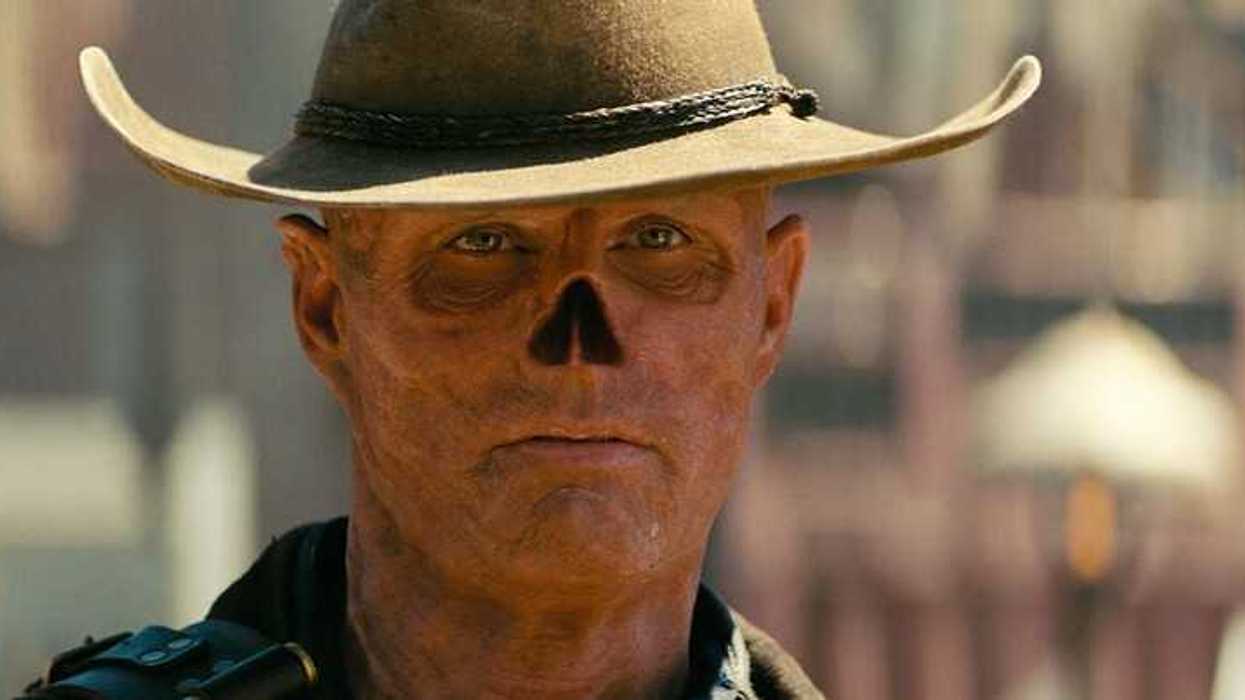
Intrigue is the "Who is this person?" factor. In Fallout, we first meet Cooper Howard as a pre-war movie star, a smiling face of the American dream.
When he reappears 200 years later as a skeletal, ruthless bounty hunter, the audience is immediately hooked. The gap between who he was and who he is creates an information vacuum that the audience is desperate to fill.
Or think about Jake in Chinatown. We want to know who this PI is who bends the rules and tells dirty jokes. How did he get this way?
In both cases, the answer is a lot of suffering on each of their parts.
Give your audience a mystery to solve regarding your protagonist’s past or motivations. It hooks them in.
2. Empathy: The Heart
Why does the audience care about your character? I bet it's because we see some stuff going wrong for them and we want to root for them.
The core of storytelling is making stuff hard on the people we like, so we invest in the heart of the movie or TV show.
Empathy isn't about the character being "nice." It’s about the audience understanding their pain.
The video highlights how immortality in Fallout isn't a gift; it's a curse of witnessing the end of everything you love. By showing Cooper’s loss, his family, his world, and his humanity, the story earns the audience's emotional investment.
The same goes for Michael Corleone. That guy loves his family. He's a war hero. And when people try to kill his dad and kill his brother, we care about him stepping up to get them back, even if it means losing who he was in the process.
What has your character lost, and what are they afraid of losing next?
Take it from them.
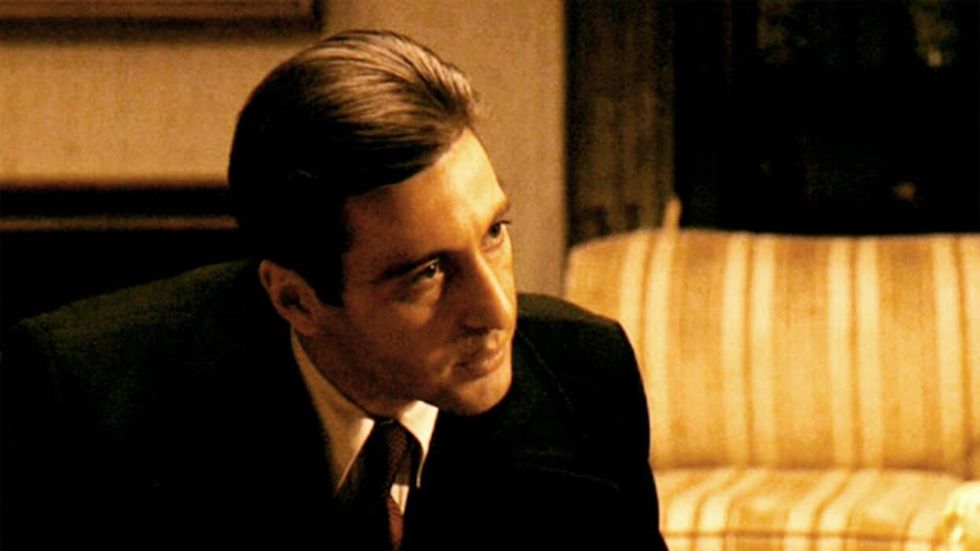 'The Godfather' Credit: Paramount Pictures
3. Likability: The Charm
Likability is often the hardest to nail, especially with "anti-heroes." People tend to write their characters as witty or sardonic so the audience buys in, but we'll care about anyone who we think the world is against or who we think is treated unjustly.
It doesn't mean the character has to do good things for this to happen; it means they are fun to watch.
In Fallout, Cooper Howard’s dry wit, western swagger, and undeniable competence make him magnetic, even when he’s doing something horrific.
Or in Young Adult, we see a woman trying to get a guy to cheat, but we're so enthralled by her journey, we can't look away.
So give your character a specific "flavor" that makes the audience lean in. Maybe it's a sense of humor, a code of ethics, or a unique skill that makes the audience want to spend time with them.
And then make the world hard on them so we feel like they need some wins to truly become the best version of themselves.
4. Vicariousness: The Wish Fulfillment
I don't know about you, but when I'm at the movies, I constantly think about what I would do in the protagonist's situation.
Whether it's Project Hail Mary or Saving Private Ryan, you think about how that situation would be if you were the one driving the story,
We watch movies to experience things we can’t in real life. Whether it’s being a world-class spy, a wizard, or a wasteland gunslinger, the protagonist should allow the audience to live vicariously through them.
For Fallout, Cooper Howard embodies the "unstoppable force" archetype that viewers find inherently satisfying.
We do like to imagine being a badass.
So in your own work, identify the "cool factor" of your protagonist. What can they do that the audience wishes they could?
Summing It All Up
I like how the video breaks down suffering into these four pillars and uses one character to do it. But I think the benefit to all of you is just to think about your projects and how this can affect your characters.
If you master these four pillars, and you won't just have a great character, you'll have an anchor that keeps your audience grounded, no matter how wild your world gets.
Let me know what you think in the comments.