The shower scene in Psycho (1960) didn’t just abruptly kill off Marion (Janet Leigh), who was seemingly the main character of the movie. It was a horrific set piece meticulously constructed by director Alfred Hitchcock to send shockwaves across moviegoers. Jumping ahead into the 1990s, it would be a time of major progress as Black directors and actors got better opportunities onscreen, after decades of racist portrayals or the complete absence of Black characters.
These topics get a deep dive in the documentaries on this list, as each entry looks at how real life bled into the fiction of American horror movies. When the history or current events of the United States have been too uncomfortable to tackle head-on, the horror genre has molded the political and social upheavals into big bugs, zombies, and slashers. Even when the genre has changed its monsters, they have all represented the anxieties in obtaining “Life, Liberty, and the pursuit of Happiness.”
1. Nightmares in Red, White and Blue: The Evolution of the American Horror Film (2009)
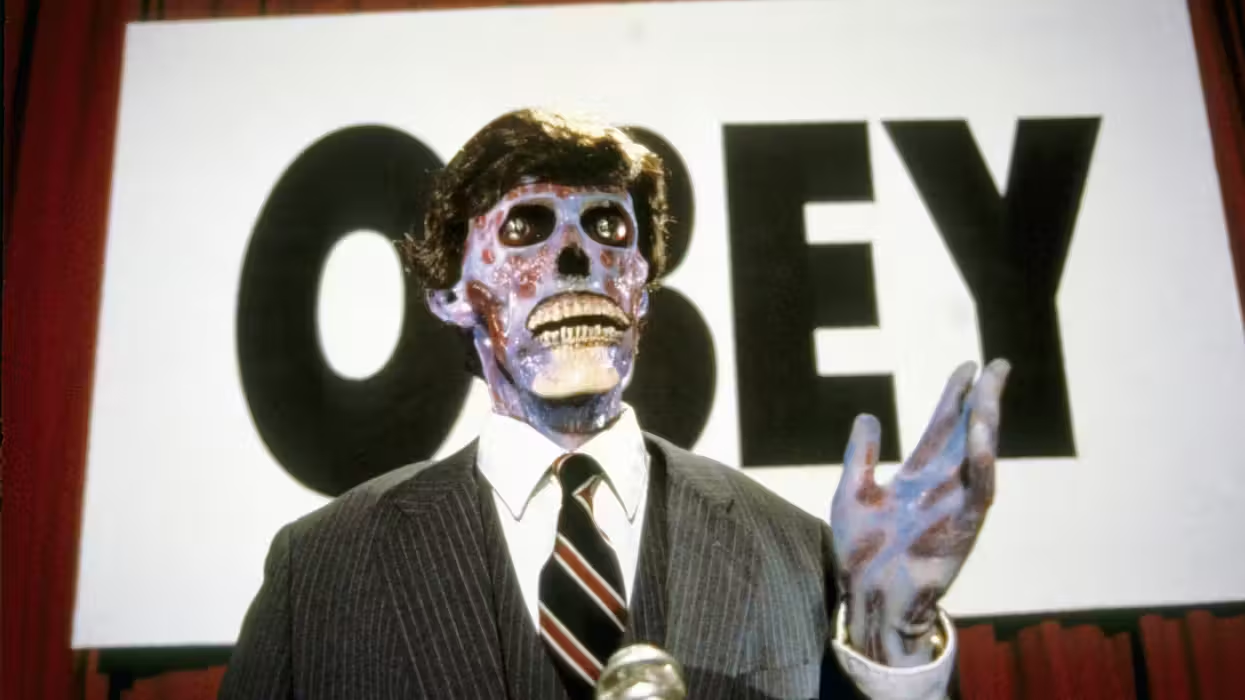
 ‘They Live’ (1988)Credit: Universal Pictures
Narrated by Lance Henriksen, Nightmares in Red, White and Blue reaches back to the silent film era to help you understand how politics and the shifting culture of the United States shaped the horror films of each decade. Many of the individuals interviewed are legends, with George A. Romero, John Carpenter, Roger Corman, and more discussing their personal lives, the making of their films, and how their experiences showed up in their projects.
Big bugs spawned from the fears of atomic bombs in the 1950s, moving the genre away from Gothic horror and into the realm of science fiction. The 1980s saw an excess of gore and slashers. This is when a cheeky montage runs through the hook-up scenes and kills in the Friday the 13th series. One of the most compelling parts of this doc is hearing John Carpenter’s thoughts, in which his anger at the Reagan administration led him to make They Live (1988), turning the wealthy American elite into invading extraterrestrials.
The chapter titles are colored like the American flag, as if to remind viewers how the genre is always informed by the country’s past or by what was going on when the movies were made. Covering a lot in a breezy 90-minute runtime, Nightmares in Red, White and Blue is a good starting point for audiences who want to dissect the genre.
2. Birth of the Living Dead (2013)
Birth of the Living Dead takes you behind the scenes of director George A. Romero’s feature debut, Night of the Living Dead (1968), to explore how a zombie outbreak was Romero’s response to the Civil Rights Movement and the Vietnam War.
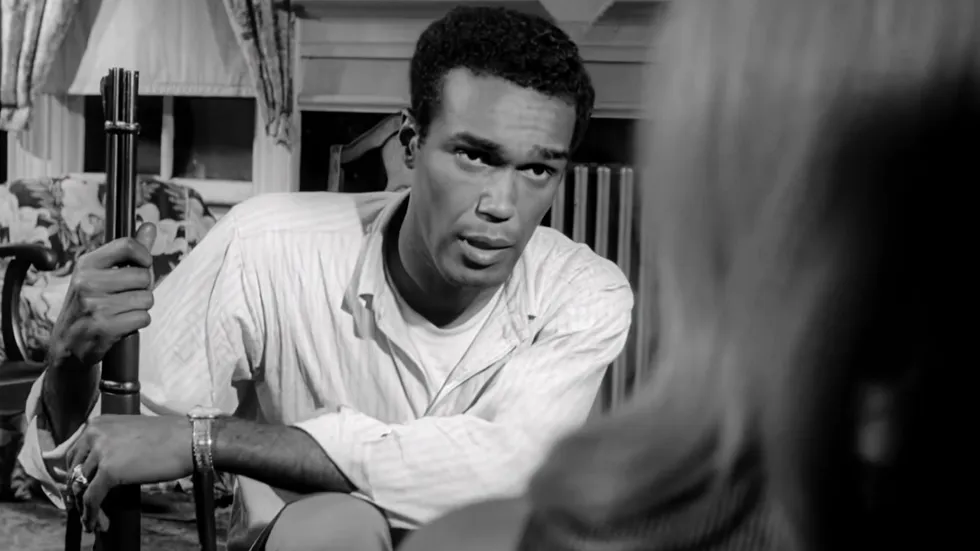 ‘Night of the Living Dead’ (1968)Credit: Continental Distributing
Although Romero had not specifically written the main role to be a Black man, he cast Duane Jones as Ben, who takes charge of a house full of white strangers and fiercely defends himself against them and the zombies outside. The ending, where Ben is brutally killed by white men, went on to have a bleak relevance when the assassination of Martin Luther King Jr. occurred after Romero had completed filming.
Directed by Rob Kuhns, Birth of the Living Dead also analyzes the portrayal of zombies. Chuck Craig, seen in the in-movie televised bulletins, was a news anchor in real life, and he wrote his dialogue for accuracy. These reports on the disturbing violence would be timely, as the doc’s narration states, “Vietnam was America’s first televised war. And while the networks systematically downplayed the bloodshed, viewers, for the first time in TV history, got glimpses of what war was really like.” Night of the Living Dead was a seminal horror film responsible for turning flesh-eating zombies into an enduring monster, and it did that with provocative social commentary.
3. 78/52 (2017)
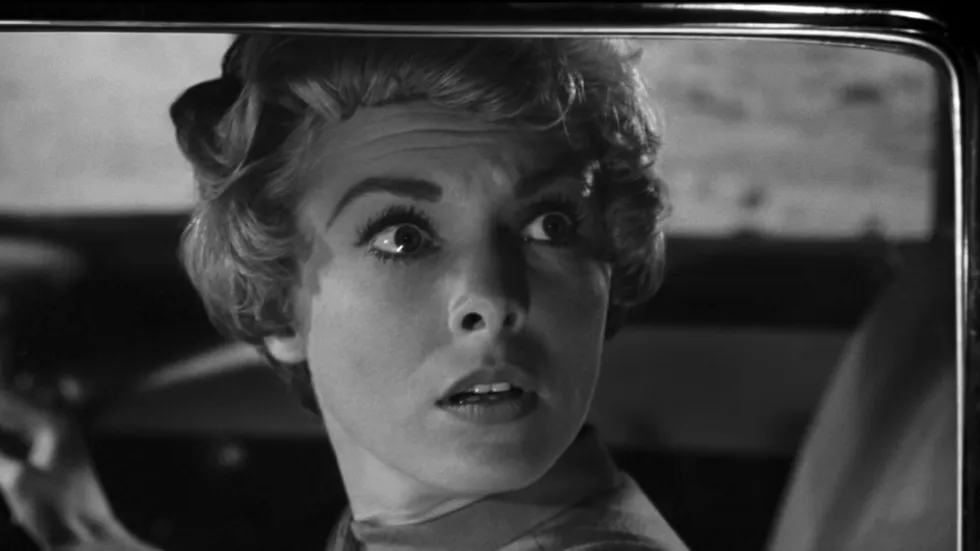 ‘Psycho’ (1960)Credit: Paramount Pictures
This documentary takes its title from the 78 camera setups and 52 edits that were involved in making the famous shower scene in Psycho, while also being a comprehensive analysis of Hitchcock’s fascination with violence, bathrooms, and voyeurism.
Directed by Alexandre O. Philippe, 78/52 is filled with personal opinions from directors, actors, editors, and historians. A fascinating insider’s look at Psycho comes with an interview with Janet Leigh’s body double, Marli Renfro, whose scheduled days of filming went longer than she expected. Professor Marco Calavita mentions how much was changing in society, such as Psycho beginning to shoot in November 1959, the same month that a grisly family murder happened, which In Cold Blood was based on. Domestic safety, be it at home or in the shower, was not guaranteed.
Current movie lovers could use the reminder that the moral censorship of the Hays Code on Hollywood productions meant there were images the public never saw in mainstream cinema. Psycho was already risqué by showing audiences a flushing toilet, an image they had never seen onscreen before, but it would reach a fever pitch with the brutal shower kill.
4. Horror Noire: A History of Black Horror (2019)
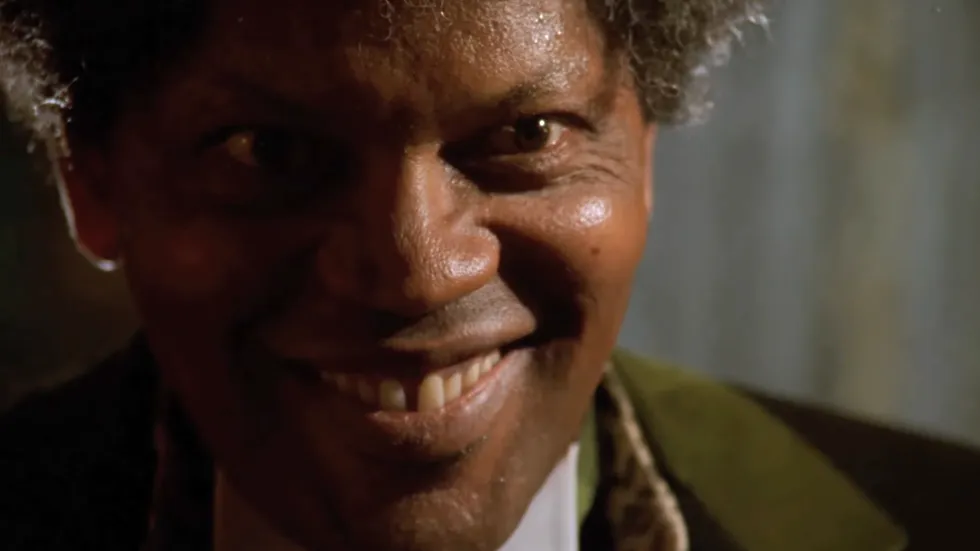 ‘Tales From the Hood’ (1995)Credit: Savoy Pictures
Horror Noire is a journey through American cinema that confronts the negative portrayals of the Black community and the progress Black creatives have made in getting in front of and behind the camera.
Offering commentary and criticism are actors Tony Todd, Rachel True, and Keith David, along with directors William Crain and Jordan Peele, among others. Director Xavier Burgin adapts this documentary from the 2011 book, Horror Noire: Blacks in American Horror Films from the 1890s to Present, by Dr. Robin R. Means Coleman, who is also interviewed.
The 1990s would be a turning point. Black actresses could be final girls. Rappers were cast, like LL Cool J in Halloween H20. Writer/director Rusty Cundieff talks about making Tales From the Hood (1995), released a few years after the 1992 Los Angeles riots that were in reaction to the acquittal of the cops who assaulted Rodney King. Cundieff wanted to use the horror genre to give retribution for racial injustice. These insights from him, along with those of the other interviewees, reveal how horror movies can be powerful tools of representation.
5. Woodlands Dark and Days Bewitched: A History of Folk Horror (2021)
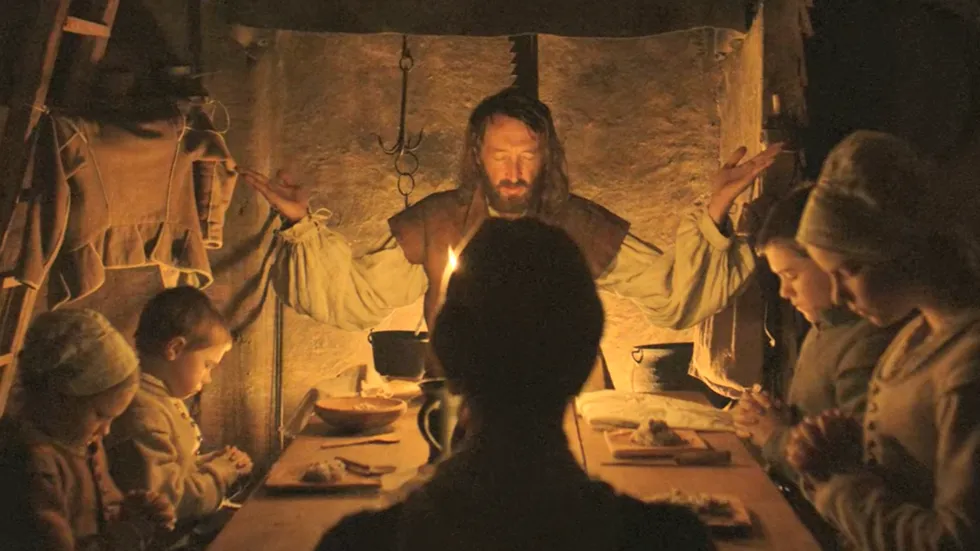 ‘The Witch’ (2015)Credit: A24
The longest documentary on this list, at over three hours, Woodlands Dark and Days Bewitched is a dense exploration of British folk horror and how different countries tap into the subgenre. At the 59-minute mark, the third and fourth chapters cover the folk horror of the United States.
The Indigenous relationships during colonial history turned into the plot device of an “Indian burial ground,” seen in Stephen King adaptations, The Shining and Pet Sematary. While paganism clashes with Christianity in British folk horror, American folk horror would misrepresent Voodoo for sinister purposes, like in The Serpent and the Rainbow. There are the fears of women using witchcraft that go back to the Salem Witch Trials, and the fears of rural, backwoods communities, like in Deliverance.
Beautifully crafted by director Kier-La Janisse, the movie clips are edited into atmospheric montages to set up the next topic, and eerie animated sequences further help the audience digest what they are learning from the interviews.