The Mistake This Filmmaker Made After His Film Was Pirated
You're hot until you're not.
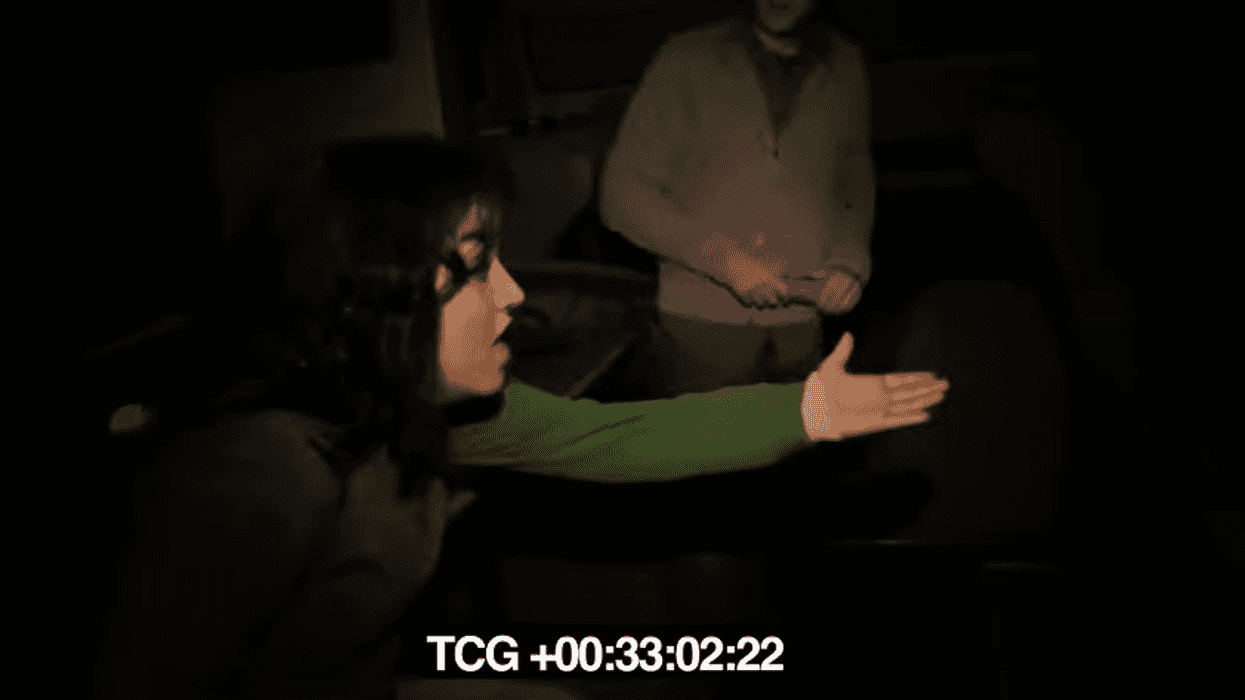
'Evidence'
Ryan McCoy's first feature found an audience worldwide, but he's never made a dollar from it.
It's a filmmaker's worst nightmare as well as a paradox. You want people to know your work, and you want people to watch it. But if someone steals your work from you and takes on a life of its own separate from you, you don't benefit at all, monetarily or otherwise.
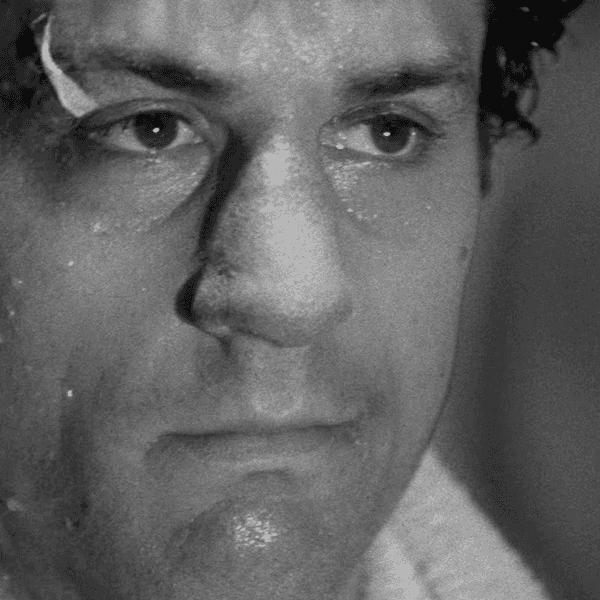
McCoy wrote, produced, and starred in Evidence, a found-footage horror film directed by Howie Askins and shot on McCoy's days off from his regular job. It played Glasgow FrightFest in 2012, per Eye for Film. Its first sale was in the U.K., where the DVD came out March 12, 2012, per HorrorDNA.
Within days, the film had been ripped and spread across pirate sites. The piracy made Evidence a cult hit and got Paramount and Universal calling, but McCoy wasn't ready for the attention.
Piracy cost him money, but the mistake that cost McCoy the most was having nothing ready to pitch next.
He talks through all of it in this Film Courage interview. Let's dive in.
- YouTube www.youtube.com
How Evidence Got Pirated
Within days of release, McCoy's film had been ripped and uploaded, and new pirate sites kept appearing. Because the U.K. is an English-speaking market, people could watch the film almost anywhere.
On the bright side, piracy made the film visible. It climbed IMDb's rankings and drew positive reviews from horror sites.
"Because of some good reviews that we got through some horror sites and that kind of attention, it garnered the attention of the studios, and I had Paramount and Universal and all these people calling me at home and wanting to screen it. I screened it for them and everything."
Indie filmmakers have argued for years over whether piracy is all loss or partly exposure. At Sundance earlier this year, Jim Cummings' original series The Screener focuses on this very topic. In the series, an independent female filmmaker whose unreleased movie—containing explicit/nude scenes—is leaked online by a major talent agency. The incident triggers a RICO investigation against the agency.
Cummings has been frank about the topic being upsetting.
"I was always seeing it in the press," Cummings told me earlier this year. "There were leaks. The Power of the Dog leaked from TIFF, along with another Netflix film. Skinamarink leaked from a smaller horror festival. ... And I was like, 'Why hasn't anybody done anything about this?' It feels like it's so against filmmaking."
Whatever your stance, it can be distressing for your work to be out there and out of your control. Which brings us to...
Know What You Can't (and Can) Control
"I think it was very much out of my control. That's what it felt like. ... Two or three times a day I would Google myself or Google the movie, and there would be, like, eight new articles and I just like, this is out of control."
But what can you control? What comes next. This is the mistake McCoy says cost him the most.
"The problem, where I dropped the ball the most, is I had nothing else. I had no other scripts stories developed. I had nothing else. I thought, if I can just get into the arena, I'm good."
He got meetings with top agencies and managers. One manager congratulated him on Evidence, then asked what else he had. McCoy said nothing yet, but that he wrote fast.
Big mistake.
"He said, 'Let me tell you something. You're hot right now, and you have the attention, but that's going to burn out quickly, and in six months time, people are going to forget who you are and everything.' And it didn't even take six months. Three, four months."
It sounds cold, but that's how this business works. McCoy learned this the hard way. He says the Paramount executive he'd been talking with weekly stopped returning his emails and calls.
Industry attention doesn't last long. Have two or three projects developed before you need them. For example. Zach Cregger talks about the many unfinished scripts he keeps in his drawer. He might come back to them, or he might not. The point is, he's always brainstorming.
If you're a writer, you always need to be thinking about what's next, even if it feels premature. What ideas can be floating around, ready for you?
- YouTube www.youtube.com
Don't Keep Reviving the Last Project
When the attention faded, McCoy kept trying to bring Evidence back instead of moving forward.
"And what I should have just done is just move on to the next, just continue to move forward into the next project and continue to develop projects. I learned, because that's what I'm doing now. But that's the biggest mistake I think I had back then."
If anything, this might look worse to outside agents. Sure, you might want to remake your hit bigger and better, but this doesn't show your creative chops, only that you're clinging to something old.
He's honest about the confidence that fed the mistake. He admits he thought he'd crush it out of the gate and that he belonged in those rooms. He'd made the film on his days off while working another job, after all. But that doesn't mean much to managers.
Your Audience May Outlast the Moment
More than a decade later, Evidence still draws thousands of views a month and new comments every week on his YouTube channel, he says. But in March 2020, McCoy posted a video saying goodbye to the film and promising no sequel. He even shared his sequel script.
"I was like, 'Here, the script's out there. Somebody else go and make it.' You know what I mean? Like, you have my permission."
A finished film can keep finding its audience long after the industry moves on. McCoy says he'd like to give something back to those fans someday.