The Screenwriting Tricks That Don't Work Anymore
And what to do instead.
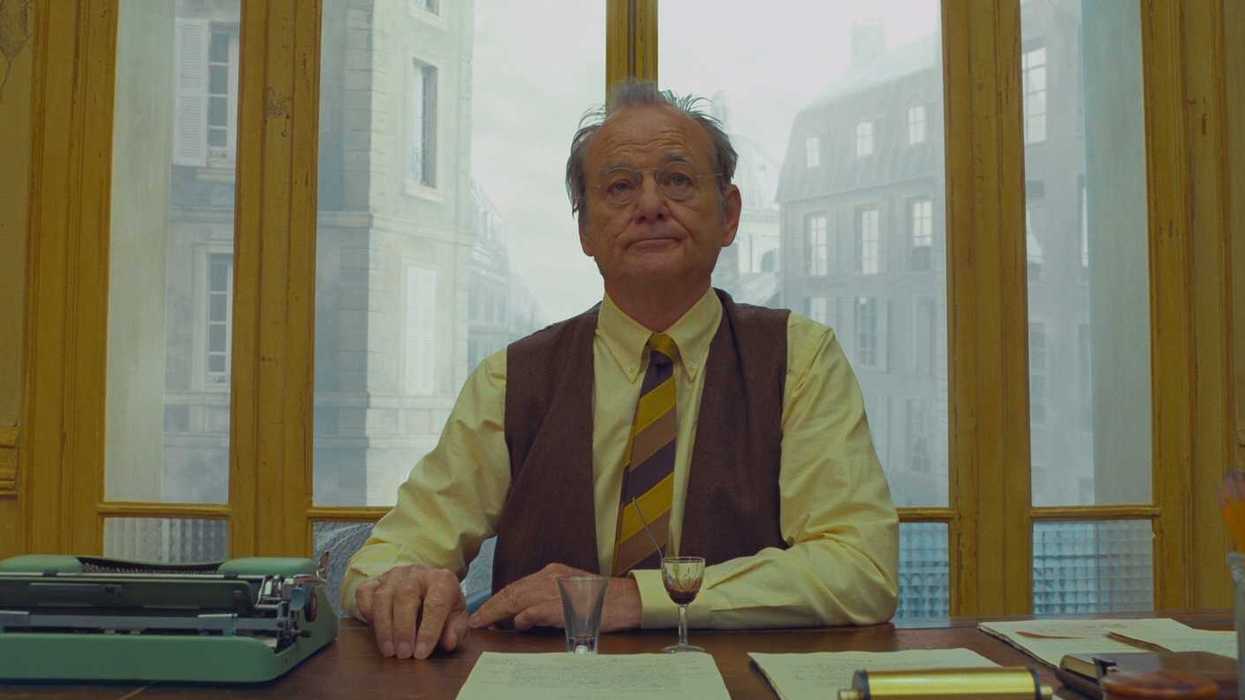
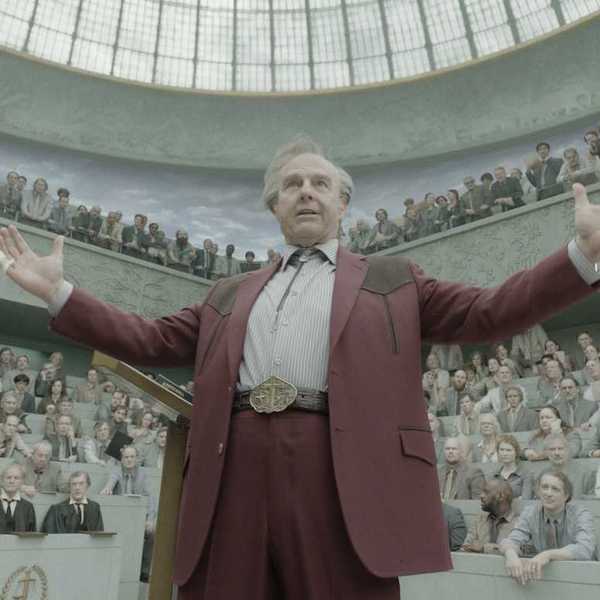
The French Dispatch
There is a lot of screenwriting advice out there. If you've ever been in a writing class, you've probably been given Save the Cat by Blake Snyder or Screenplay by Syd Field. And these are good resources full of valuable information.
But if you try to teach a creative skill to large groups of people the same way over several years, the process can start to feel reductive and repetitive, when this is a field that requires innovation and imagination. A lot of people start to do the same things over and over in their screenplays.
If you're a writer with a good grasp of the basics, understanding which techniques to retire will help your scripts feel alive and fresh, and like they were written in 2025, not 1985.
The Dialogue Everyone Uses
Overused dialogue lines have become one of the fastest ways to signal that a writer is on autopilot.
"It's not what it looks like" and "I'm getting too old for this" moments are so common now that they earn eye-rolls, according to Greenlight Coverage.
Modern audiences recognize these lines instantly, making them more likely to disengage. Modern Screenplay has a huge list of them to avoid. We fall back on them because they're familiar, and maybe have even heard people use them in real life.
But writers need to surprise audiences with each line of dialogue, avoiding lines that audiences have seen a million times before, as Script Magazine explains.
This is why it's important to read a lot of scripts and watch tons of movies, so you know what's been done to death.
- YouTube www.youtube.com
Clichés That Kill Tension
Sometimes you'll be watching a movie, old or new, and you know exactly what's going to happen next. For example, I was watching Sneakers the other day, and I called the moment the big baddie would reappear during the climactic finale.
Earlier in the film, that same big baddie explained his entire plan before letting the protagonist go. How convenient! I said out loud, "Why did he do that?"
I still enjoyed the movie, don't get me wrong. But it did feel a little dated, and those problems I spotted still pop up in scripts today. (Sidebar: this movie also included an "I'm getting too old for this" moment.)
Sometimes we become so accustomed to the language and structure of cinema that the storytelling seems to just check boxes. A visual cliché like a hero standing alone on a rooftop, ready to escape, usually means something is about to happen to stop him. Again, clichés can happen in real life, and they serve a purpose, but if your audience knows what's coming, that's not very exciting for them.
The car that won't start during a chase scene. The medicine cabinet jumpscare in a horror film. These are just a couple of other examples that telegraph their intentions so obviously that they achieve the opposite effect.
If you're writing, and you feel yourself doing the thing that many other scripts have done before you, maybe pause and consider a new direction. An easy or expected beat should never be your goal. Writers who lean on these tricks miss opportunities to create genuine surprise.
Structure Can Hold You Back
While the three-act structure remains screenwriting's old faithful, smart writers are experimenting with non-linear storytelling, multiple timelines, and character studies that might not have traditional plot arcs.
Many structural and formatting "rules" that we argue about constantly on social media are merely distractions that unnecessarily inhibit screenwriters (per Script Magazine).
Structure is an important framework, but you're not trapped in it. You don't always have to hit beats on a specific page. The inciting incident doesn't always have to come on page 10, for example. Maybe it's on page 1.
The key isn't abandoning structure but finding fresh ways to deploy it that don't feel mechanical. If you're comfortable with three acts already, try a non-linear story or five-act structure. As long as your story is interesting and legible, you've got a shot at breaking through.
- YouTube youtu.be
The "Save the Cat" Problem
The "save the cat" technique involves showing a protagonist doing something sympathetic to instantly win the audience's favor. In his infamous book, Blake Snyder writes:
I call it the "Save the Cat" scene. They don't put it into movies anymore. And it's basic. It's the scene where we meet the hero and the hero does something—like saving a cat—that defines who he is and makes us, the audience, like him.
But it now feels so transparent that it can actually harm character development, observes Creative Screenwriting.
Including a scene in every script that is meant to garner empathy can become rote. We don't always have to like the protagonist from the get-go. Maybe they're an anti-hero we hate, and it's only through the story that we get to know them and care about them.
What to Do Instead
Writers should look for ways to subvert these moments.
As we've already said, your protagonist doesn't always have to be the good guy. You don't always have to hit beats on specific pages. Clichés have a purpose, but remember, real people won't always use them.
ScreenCraft suggests turning interrogation scenes into philosophical discussions or making a mentor figure unreliable. Platforms like The Black List have become valuable tools for screenwriters to showcase scripts that break conventional molds.
The screenwriting tricks that work in 2025 are those that surprise the reader and create authentic emotion rather than relying on the same formulas everyone else is using.